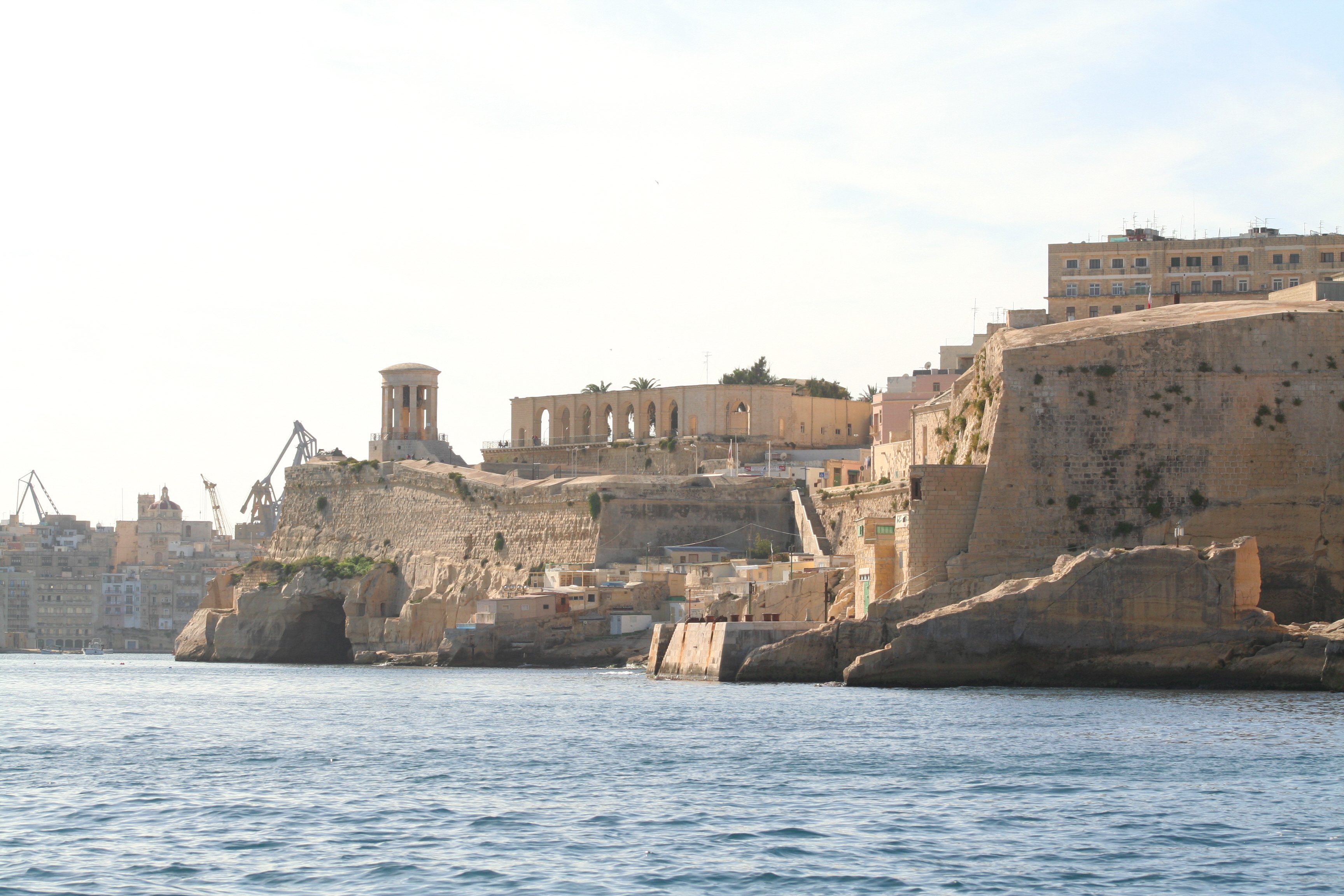
Malta is compact, English-speaking, and easy to cover with buses, ferries, walking routes, and affordable local food. Accommodation and summer demand can still make a longer stay costly.
English, good connectivity, coworking and café options, mild winters, and a dedicated nomad residence route support remote work. Rent, summer heat, and permit conditions need careful planning.
Buses, pastizzi, bakeries, swimming spots, and self-guided heritage walks can be good value, but accommodation, ferries, diving, and peak-season demand raise the total cost.
Malta is generally safe and rated Level 1 by the U.S. State Department; the main practical cautions are petty theft, nightlife awareness, heat, and dangerous sea conditions.
Paceville and St Julian’s provide clubs and late bars, while Valletta and other towns add wine bars, live music, village festas, and cultural events.
Malta, Gozo, and Comino offer limestone coastlines, swimming coves, diving, sea caves, countryside paths, and viewpoints, although the islands are small and densely settled.
Clear Mediterranean water, sandy bays, rocky swimming spots, and Gozo and Comino day trips make Malta a strong beach and diving destination, subject to sea conditions.
Short distances make island-hopping routes possible, but left-side driving, narrow streets, congestion, parking, and ferry schedules mean buses or taxis can be easier in dense areas.
English, compact islands, clear tourist infrastructure, safe cities, and a strong mix of beaches and history make Malta approachable for first-time travelers.
Language schools, international residents, nightlife, beach days, village festas, and ferry-linked day trips create many easy ways to meet people.