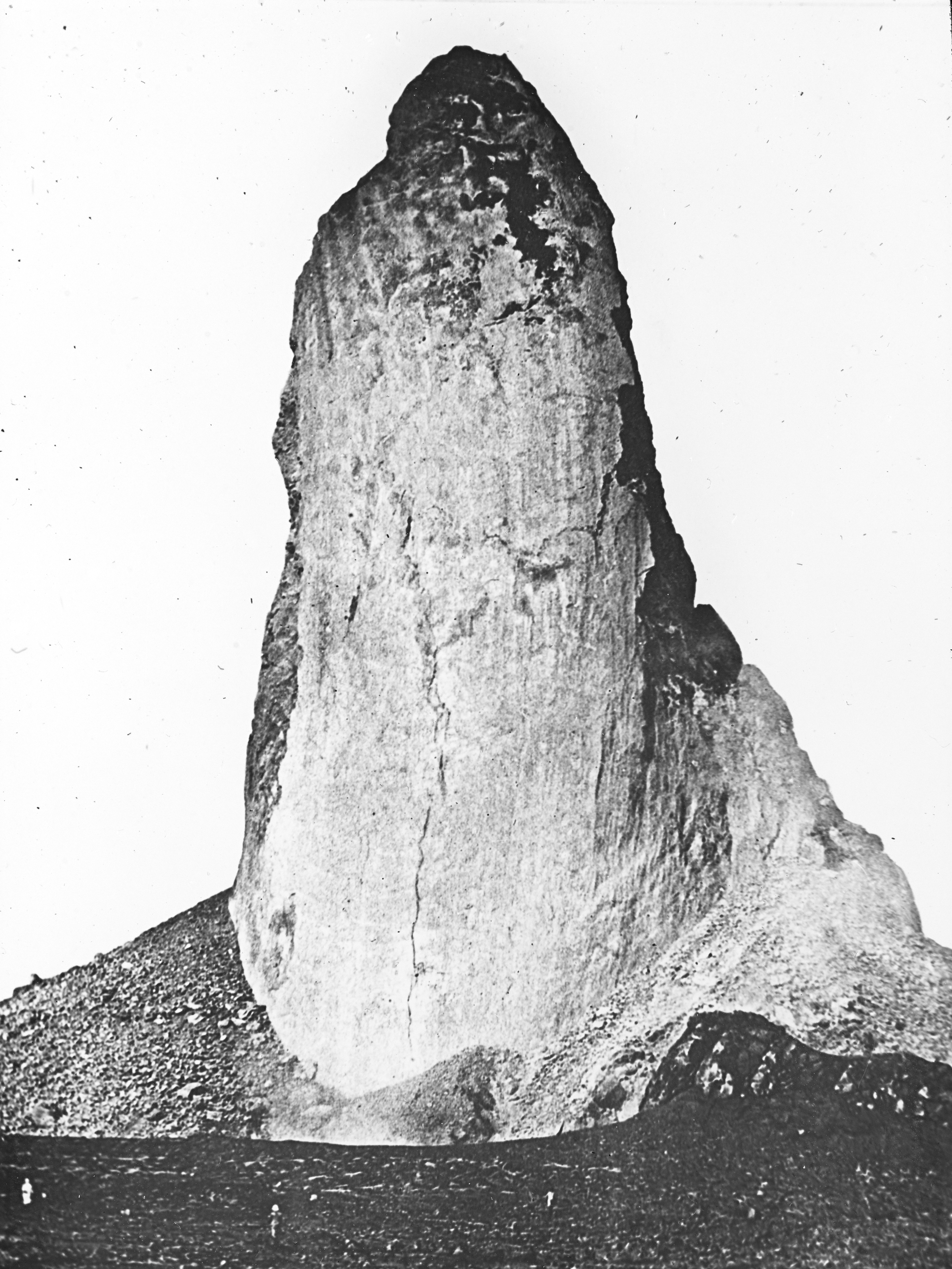
Martinique
← Back to destinations

Martinique

Martinique is a French Caribbean island known for Fort-de-France, Mount Pelée and the UNESCO-listed Pitons du Nord, Saint-Pierre's volcanic history, southern beaches, rum, and Creole food.

NatureVolcanoesBeachesFoodRoad trips

What this trip is really like

Martinique is a French Caribbean island known for Fort-de-France, Mount Pelée and the UNESCO-listed Pitons du Nord, Saint-Pierre's volcanic history, southern beaches, rum, and Creole food.

Capital
Fort-de-France
Population
About 359 thousand (INSEE provisional estimate, 1 January 2026)
Language
French
Timezone
America/Martinique
Ideal trip length
Depends on the route
Emergency
police: 17, medical: 15, fire: 18

A good fit if you…

Backpacking
Safety
Nature
Beach
Road trip

Getting around

Transport, language, entry, and safety are the details that shape how this trip feels day to day.

Getting around

A rental car is the most flexible way to reach beaches, mountain trails, Saint-Pierre, and the south; roads are generally well paved and driving is on the right. Martinique Tourism lists the Mozaïk, TCSP, SudLib, shared-taxi, airport, and maritime-shuttle options, but service areas and hours are limited outside the main corridors. Check current bus, ferry, road, mountain-weather, and sea conditions before remote or coastal trips.

Language

French is the working language for services and most travel; English is common in hotels, excursions, and some tourism businesses, but French basics help outside visitor hubs.

English ease 3/5

Visa

Martinique is an overseas department and region of France, but it is outside the Schengen area. Visa exemptions and short- or long-stay requirements depend on passport, residence status, and purpose; travelers who need a visa must apply for one valid for the French overseas territory. A Schengen visa by itself does not authorize entry to Martinique, and a trip combining Martinique with mainland France may require separate territorial permissions. Check France-Visas before booking.

Safety & health

The U.S. Department of State lists the French West Indies, including Martinique, at Level 1: exercise normal precautions.

Normal precautions

Explore destination

These are the places that most strongly shape a first trip through Martinique.

Best time, month by month

January to May is generally the drier, sunnier part of the year for a beach-and-hiking trip. June to November is wetter and more humid, with tropical-storm risk, while December is a busier transition back toward the drier season.

ExcellentGoodOkayLess ideal

April · Excellent

Shoulder

April in Fort-de-France has climate averages around 30°C highs, 23°C lows, and 95.1 mm of rain at nearby Le Lamentin Airport (1992–2021).

Climate at a glance

See the seasonal pattern month by month.

Temperature

29 °C22 °CJan
29 °C22 °CFeb
30 °C22 °CMar
30 °C23 °CApr
31 °C24 °CMay
31 °C25 °CJun
31 °C25 °CJul
31 °C24 °CAug
31 °C24 °CSep
31 °C24 °COct
30 °C23 °CNov
29 °C23 °CDec

Precipitation

112 mmJan
90 mmFeb
90 mmMar
112 mmApr
156 mmMay
166 mmJun
210 mmJul
273 mmAug
239 mmSep
239 mmOct
240 mmNov
190 mmDec

Climate source →

Full Travel Fit

A wider view of how this destination matches different travel styles.

Backpacking4/5

Martinique has French infrastructure, a compact set of strong bases, and an active local bus and ferry network. A rental car is still useful for beaches and mountain trails, and euro-area prices make it less of a shoestring destination.

Digital nomad3/5

Fort-de-France offers reliable French services and connectivity, but island prices, limited long-stay accommodation, French-language administration, and passport-specific work rules make a longer base more involved.

Budget3/5

Markets, bakeries, beach snacks, and self-catering can keep costs sensible, but euro-area prices, car hire, and peak-season accommodation push Martinique above a typical backpacker budget.

Safety4/5

Current U.S. guidance is Level 1, with normal precautions for petty theft, parked-car break-ins, night driving, sea conditions, and tropical weather.

Nightlife3/5

Fort-de-France, Trois-Îlets, and the southern resort coast have bars, live music, and Creole events, but nightlife is smaller and more local than on a major party island.

Nature5/5

Mount Pelée, the UNESCO-listed Pitons du Nord, rainforest trails, waterfalls, reefs, and volcanic coastlines give Martinique an unusually strong outdoor range.

Beach4/5

The island has both black- and white-sand beaches, with especially good swimming, snorkeling, and coastal scenery around the south and the Anses-d'Arlet.

Road trip4/5

A car opens up beaches, rum distilleries, Saint-Pierre, and mountain trails; roads are generally good, but traffic, tight bends, parking, and night driving need care.

Beginner-friendly3/5

French public services, the euro, and good roads lower the learning curve, while French-language administration, car dependence, tropical weather, and volcano or sea conditions add planning friction.

Social3/5

Markets, rum distilleries, music, dance, and Creole festivals create good local contact, although the island has fewer hostels and backpacker meetups than larger Caribbean hubs.


A few words go a long way

French is the working language for services and most travel; English is common in hotels, excursions, and some tourism businesses, but French basics help outside visitor hubs.

English ease 3/5

Learn French for your trip →
Où est la gare ?Where is the station?

Safety & health

The U.S. Department of State lists the French West Indies, including Martinique, at Level 1: exercise normal precautions.

Read more →

Check the entry context for your passport

Martinique is an overseas department and region of France, but it is outside the Schengen area. Visa exemptions and short- or long-stay requirements depend on passport, residence status, and purpose; travelers who need a visa must apply for one valid for the French overseas territory. A Schengen visa by itself does not authorize entry to Martinique, and a trip combining Martinique with mainland France may require separate territorial permissions. Check France-Visas before booking.

Read more →

Martinique is an overseas department and region of France, but it is outside the Schengen area. Visa exemptions and short- or long-stay requirements depend on passport, residence status, and purpose; travelers who need a visa must apply for one valid for the French overseas territory. A Schengen visa by itself does not authorize entry to Martinique, and a trip combining Martinique with mainland France may require separate territorial permissions. Check France-Visas before booking.

Keep the details current

A short list of the most useful official, climate, tourism, and route references behind this guide.

5 source groups
View all sources

Open plan: Open the app

Transport, language, entry, and safety are the details that shape how this trip feels day to day.