Mauritania is not a normal independent backpacking destination: current security restrictions, checkpoints, limited transport and health services, and difficult desert routes make specialist support important.
Nouakchott is the only plausible longer-stay base, but connectivity, accommodation standards, cash access, healthcare, and passport-specific stay or work rules make Mauritania a poor remote-work choice.
Local food and simple lodging can be inexpensive, but a safe trip may require a 4x4, driver, guide, permits, specialist insurance, and extra fuel and water, which quickly raise the real budget.
The current U.S. Level 3 advisory cites terrorism and crime, with no-travel zones, limited emergency support, and materially higher risk outside Nouakchott.
Mauritania is an Islamic republic where importing or consuming alcohol is illegal; evenings are mainly restaurants, tea, markets, and private or cultural settings rather than nightlife.
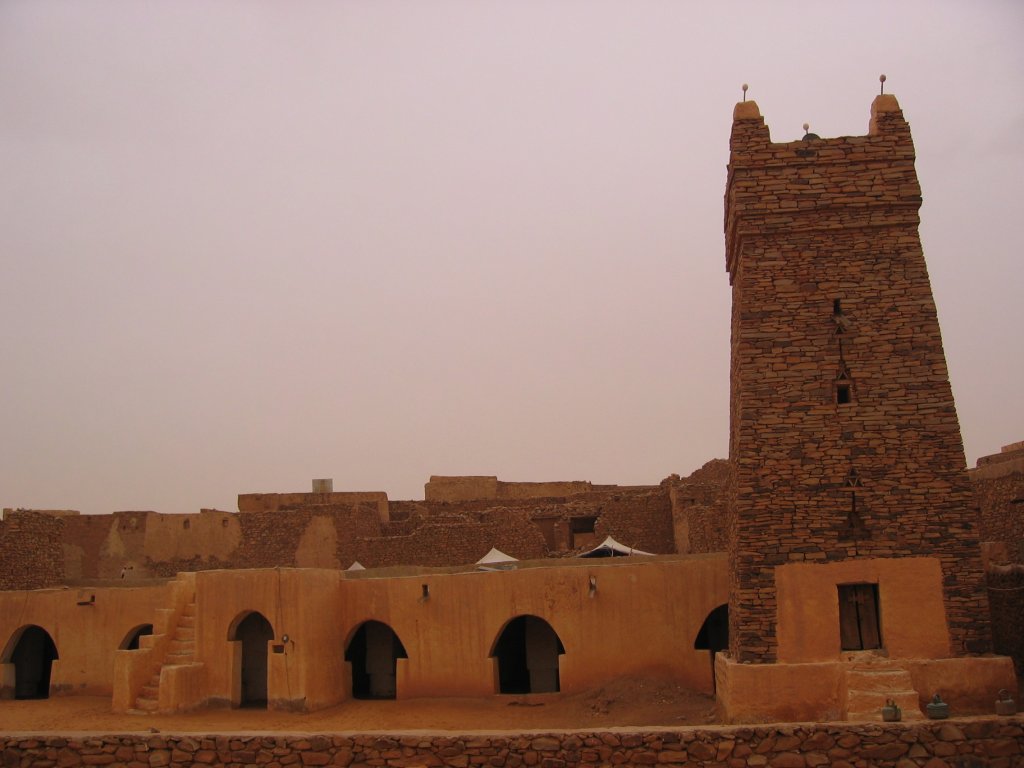
The Sahara, Adrar plateaus and oases, Atlantic dunes, Banc d'Arguin wetlands, migratory birds, and long desert horizons offer exceptional nature value when access is permitted and professionally supported.
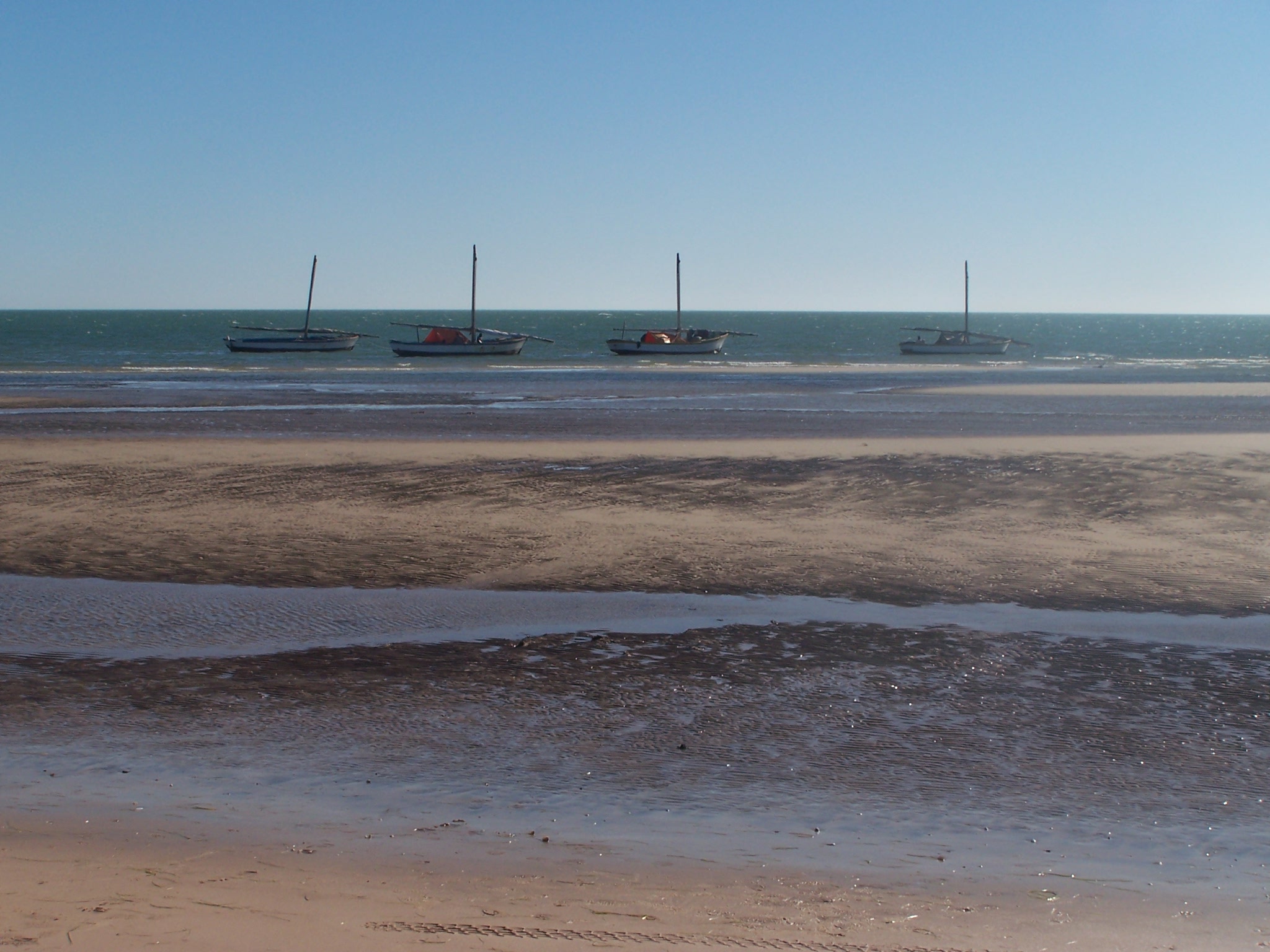
Mauritania has a striking Atlantic coast and protected shallows, but isolated beaches, tides, limited services, and current security advice make it a specialist coastal experience rather than an easy beach break.
Overland travel is difficult: paved roads can be poor, traffic standards are inconsistent, night driving is unsafe, and long desert or coastal sections need a 4x4, water, fuel, route permissions, and often a convoy.
Arabic or French, cash-based logistics, checkpoints, scarce medical support, security restrictions, and demanding transport make Mauritania unsuitable for a first independent trip.
Tea hospitality, markets, music, and guided visits can create meaningful local contact, but the country has little independent-traveler infrastructure and few conventional hostel meetups.





.jpg)
