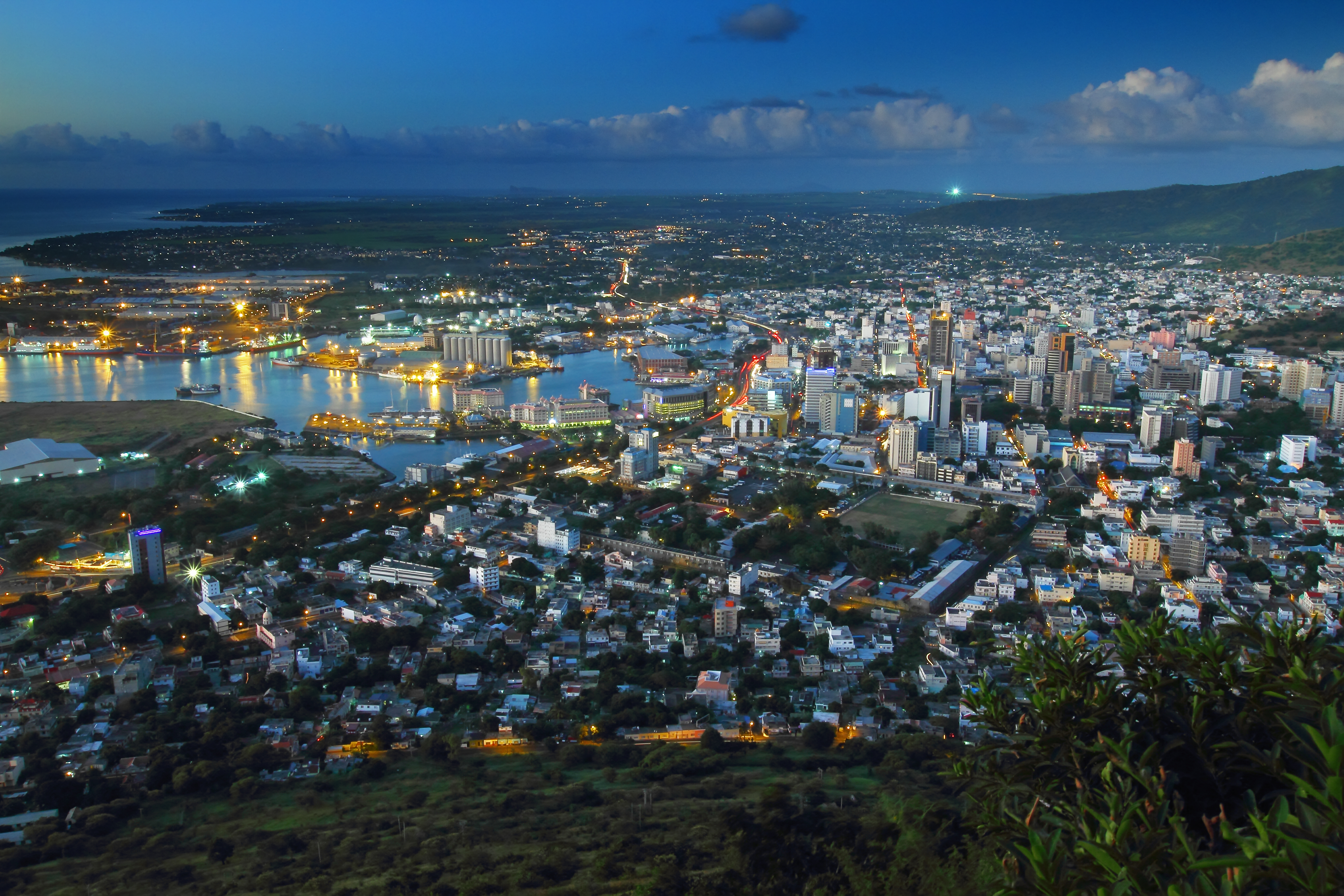
Mauritius can work for independent travelers with guesthouses, buses, beach towns, hikes, markets, and island drives, but it is more resort-oriented and costlier than classic backpacker islands.
Mauritius offers English/French usability, beach towns, apartments, and improving remote-work infrastructure, but car dependence, cost, variable connectivity, and visa rules need planning.
Mauritius is not a cheap island once resorts, taxis, car rental, tours, and imported goods are included. Budgets improve with guesthouses, local buses, self-catering, markets, and shoulder-season stays.
Current official advice is Level 2 due to crime. Most trips are straightforward, but theft, break-ins, harassment, isolated areas, road safety, dengue, cyclones, and water risks require care.
Grand Baie, Flic en Flac, Port Louis, resort bars, beach clubs, and restaurants provide nightlife, but the island is more beach, food, and resort focused than party-led.
Le Morne, Black River Gorges, Chamarel, waterfalls, reefs, lagoons, dolphins, hiking, Rodrigues, botanical gardens, and volcanic landscapes make nature a major part of Mauritius.
Beaches and lagoons are the clearest Mauritius strength: Le Morne, Belle Mare, Flic en Flac, Grand Baie, Trou aux Biches, Ile aux Cerfs, Blue Bay, and Rodrigues support swimming, snorkeling, and water sports.
A rental car helps connect beaches, viewpoints, Chamarel, Black River Gorges, Port Louis, markets, temples, and quieter coasts. Left-side driving, narrow roads, rain, and night driving need caution.
Mauritius is fairly beginner-friendly thanks to English/French use, resorts, short distances, good tourism infrastructure, and easy beach logistics. Crime, driving, cyclone season, and coast choice still need planning.
Resorts, guesthouses, diving, kitesurfing, beach clubs, food tours, hikes, and boat trips create social options, though the scene is quieter and more couple/family oriented than backpacker-heavy islands.



.jpg)
.jpg)