Montenegro is compact, affordable by European standards, and well suited to buses between the main towns, although a car or extra planning helps for remote mountain routes.
Podgorica, Kotor, and Budva offer workable connectivity, cafés, and services, but seasonal prices, uneven infrastructure, and residence rules deserve a check before a longer stay.
Local bakeries, grills, buses, and simple rooms can be good value, but coastal accommodation and restaurants become noticeably more expensive in July and August.
Montenegro is generally safe for visitors and currently carries a U.S. Level 1 advisory, but use normal precautions around theft, demonstrations, mountain routes, and driving.
Budva is lively in summer, while Podgorica and Kotor offer year-round bars, music, and restaurants; winter evenings and smaller towns are quieter.
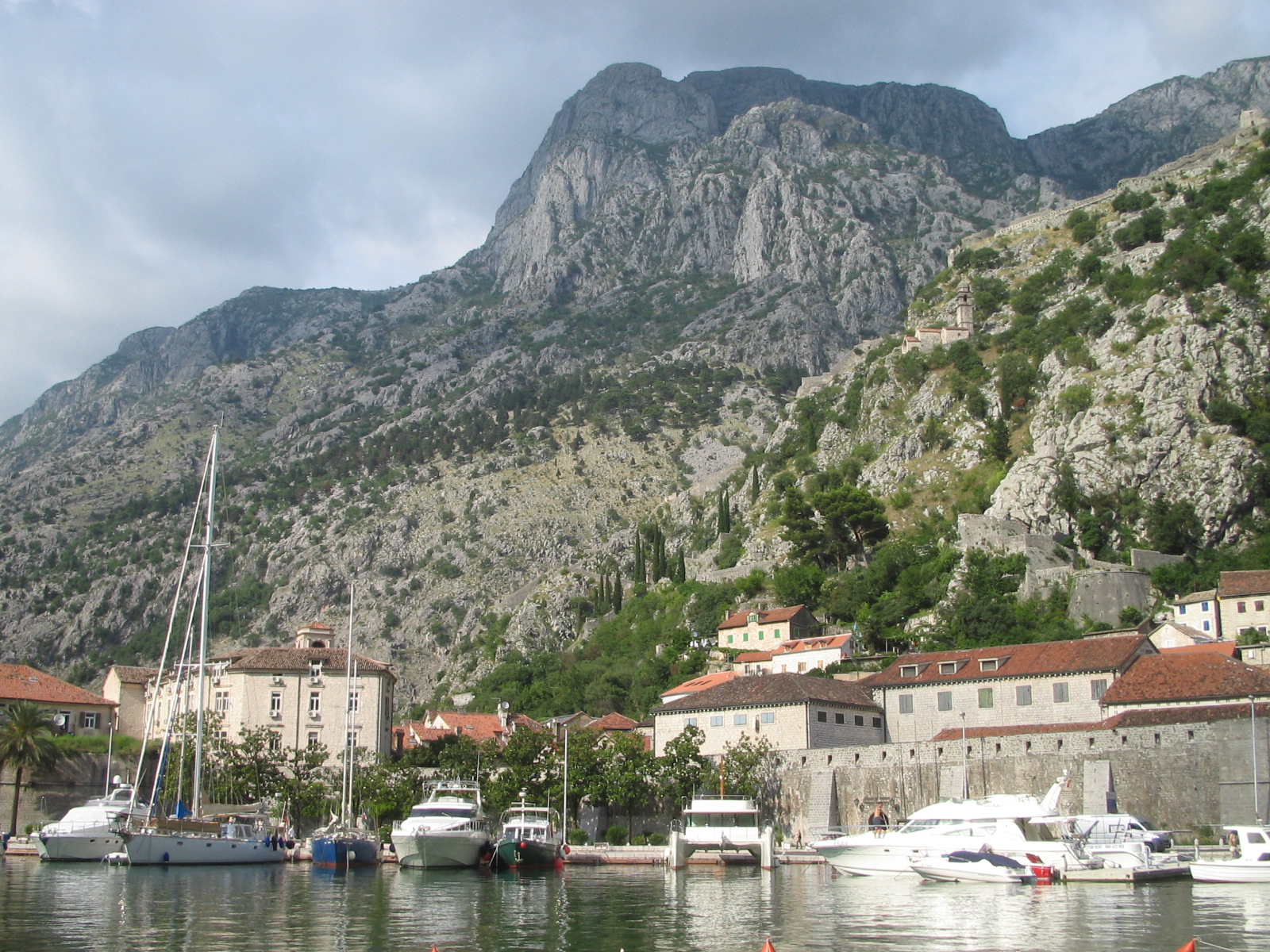
Five national parks, the Bay of Kotor, Skadar Lake, Tara Canyon, and the Durmitor and Prokletije mountains give Montenegro an unusually strong range of hiking, water, and wildlife options.
The Adriatic coast has many beaches from the Bay of Kotor to Ulcinj, including the Budva Riviera and Sveti Stefan, though popular coves can be crowded and many beaches are pebbly.
A road trip can link the coast, Lake Skadar, mountain parks, and scenic passes efficiently, but narrow roads, steep terrain, summer congestion, and winter closures require conservative planning.
The euro, strong tourist network, compact distances, and generally safe environment make Montenegro approachable, while mountain driving, seasonal congestion, and 24-hour visitor registration add friction.
Coastal hostels, boat trips, rafting, summer events, and Budva nightlife make it easy to meet people; the social scene is more seasonal outside the main resorts.