Montserrat's small scale, English-language services, guided activities, and rental transport make independent travel possible, but air-only access and limited accommodation mean planning matters.
The quiet pace and English-language environment can suit a short work retreat, but limited flights, accommodation, healthcare, and business services make longer remote-work stays a niche choice.
Local food can be straightforward, but flights, imported goods, rental cars, and a small accommodation market make Montserrat harder to visit cheaply than larger Caribbean islands.
Crime is generally low, but the active volcano, hurricanes, coastal conditions, steep roads, and limited healthcare mean visitors need more hazard planning than the crime level alone suggests.
Montserrat has friendly pubs, local music, and occasional events, but very few places stay open late and the evening scene is small and community-oriented.
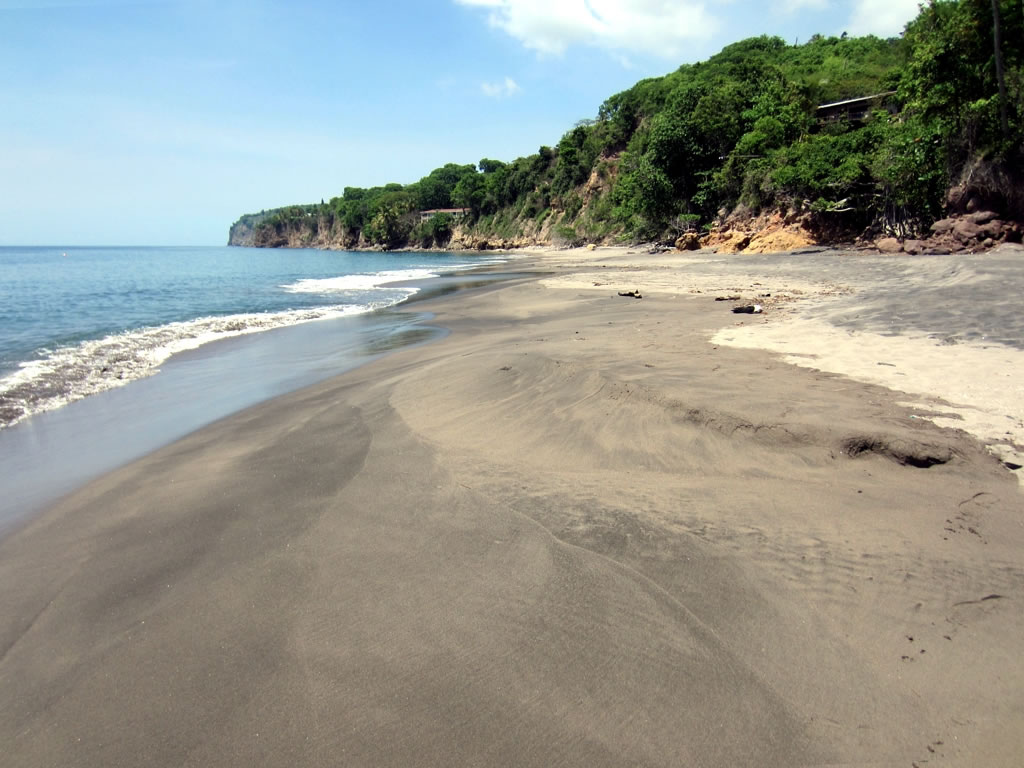
Rainforest trails, volcanic viewpoints, black-sand beaches, coastal water, and the island's active geological landscape give Montserrat an unusually concentrated nature experience.
Rendezvous is the island's only white-sand beach and the west coast has distinctive black-sand coves, but rips, surf, access, and volcanic coastline conditions vary.
A rental car is useful for Montserrat's viewpoints and trails, but the road network is small, fuel options are limited, hairpin bends are common, and a temporary visitor licence is required.
English, low crime, a compact island, and friendly guided tours help first-time visitors, but transit flights, volcano rules, steep roads, weather disruption, and limited medical care add friction.
Guided volcano trips, local music, bars, and a close-knit community create social opportunities, though there is no large hostel or resort-party scene.



.jpg)


.jpg)
