Mozambique rewards flexible travellers with cities, beaches, islands, and wildlife, but long distances, Portuguese outside tourism, security advisories, and uneven transport require careful route planning.
Maputo has the country's best business services and connectivity, but visa limits, security concerns, power or network interruptions, and limited medical depth make Mozambique a demanding long-stay base.
Local markets, simple meals, and shared transport can be affordable, but domestic flights, island transfers, safari lodges, park fees, insurance, and security-conscious transport can quickly raise the total.
Mozambique is Level 2 overall in the current U.S. advisory, with do-not-travel areas in the north; crime, protests, terrorism, health limitations, and road risks call for active precautions even on popular routes.
Maputo has the strongest choice of restaurants, live music, and late venues; nightlife in beach towns and other cities is more seasonal and usually tied to a small visitor circuit.
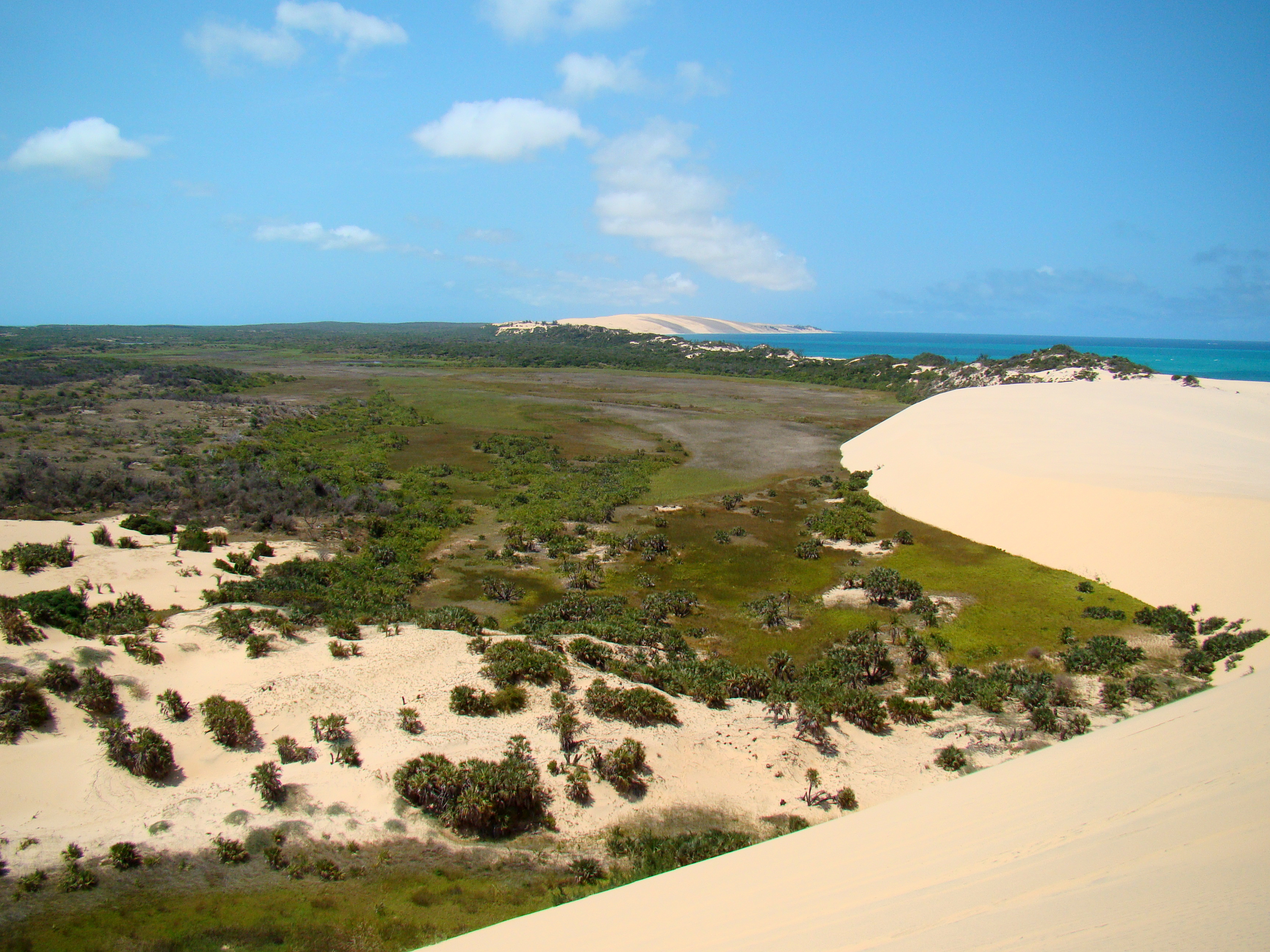
Gorongosa's restored wildlife areas, Bazaruto's marine habitats, long beaches, wetlands, and a varied Indian Ocean coast give Mozambique an exceptional nature profile.
Tofo, the Bazaruto Archipelago, and Mozambique's long Indian Ocean coast offer strong surfing, diving, snorkeling, and beach options, although some islands need expensive transfers and northern access is security-sensitive.
Driving is on the left, accidents and poor road conditions are common, fuel availability can be inconsistent, and FCDO advises daylight travel outside major cities; flooding can also close roads.
A first trip requires passport-specific entry research, possible ETA or eVisa paperwork, Portuguese for many everyday interactions, careful regional screening, and realistic plans for transport, health care, and security.
Maputo, Tofo, and organized diving or safari circuits make meeting people straightforward, while smaller towns and inland routes are more dependent on Portuguese and pre-arranged transport.




.jpg)


