Nauru is difficult for backpacking because flights, visas, lodging, food choice, transport, and sightseeing options are limited and need advance planning.
It is not a strong remote-work base because accommodation, internet, workspaces, power backup, and lifestyle infrastructure are very limited.
Costs are high for the experience because flights, accommodation, imports, vehicle hire, and scarce services offer little budget flexibility.
Crime risk is generally low, but medical limits, heat, swimming hazards, and limited logistics make preparation important.
Nightlife is minimal, mostly limited to hotel or club-style options and local social routines.
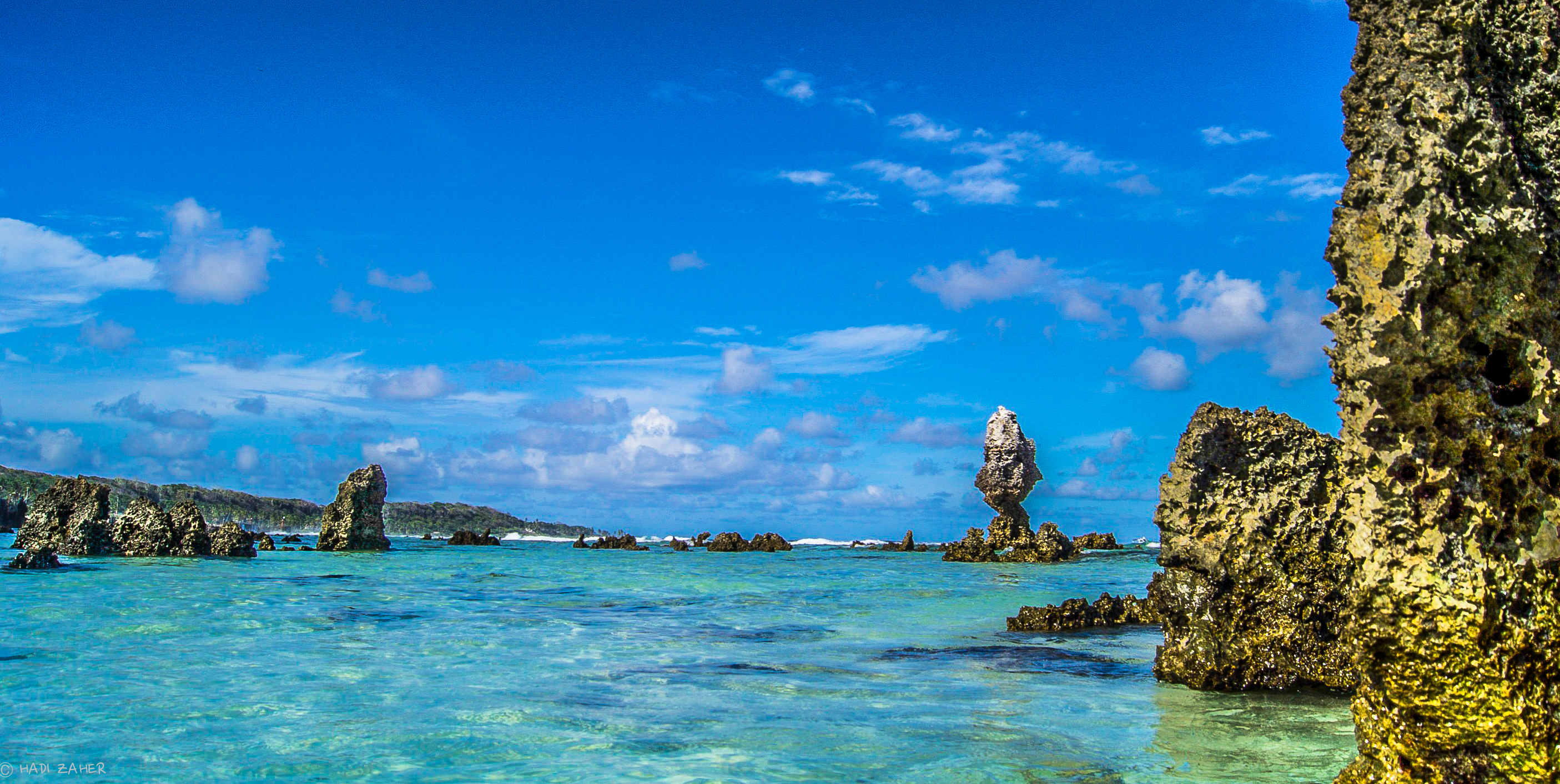
Nauru has interesting coast, reef, caves, Buada Lagoon, and stark phosphate landscapes, but it is not a lush classic nature destination.
Anibare and reef views are appealing, but swimming beaches are limited and much of the coast is rough, rocky, or better with local advice.
The ring road is a fun novelty and island tours are useful, but the country is too small for a deep road-trip experience.
English helps, but visas, limited accommodation, scarce transport, few services, and specialist expectations make Nauru better for experienced travelers.
Social travel is possible through guides, hotels, church or community contacts, and small-island encounters, but there is no broad traveler scene.





.jpg)
.jpeg)
