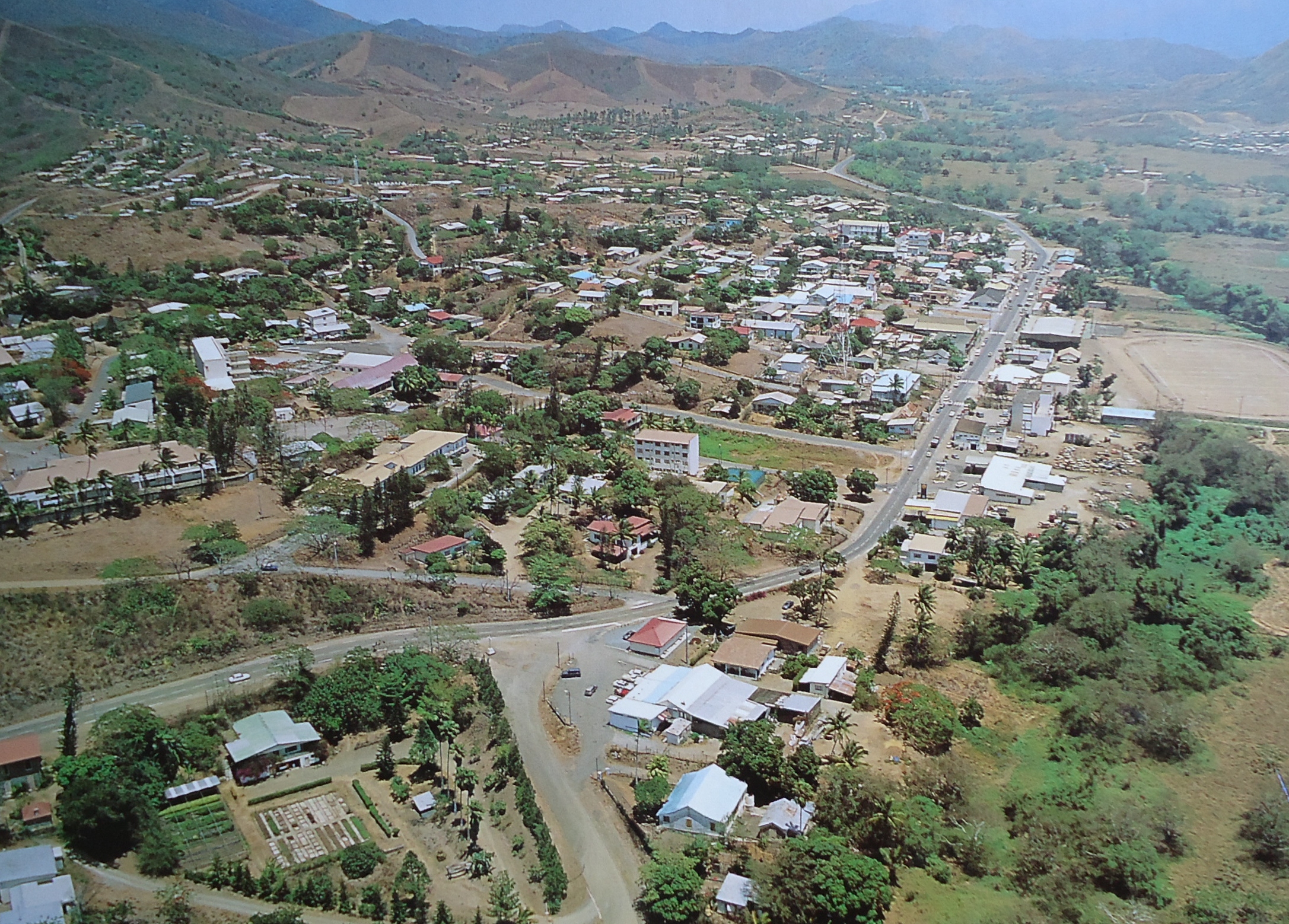
Independent travel is manageable around Nouméa and Grande Terre, with ferries and domestic flights for islands, but high prices, French-language logistics, and changing transport conditions require advance planning.
Nouméa has the territory's strongest services and connectivity, but accommodation is expensive, islands have fewer facilities, and visa or work permissions must be checked for longer stays.
The CFP franc is tied to the euro and accommodation, dining, car hire, domestic flights, ferries, and organised activities are costly; free hikes and beaches help, but this is not a low-budget destination.
Crime is generally low, but the current Level 2 U.S. advisory, possible demonstrations, short-notice restrictions, cyclone risk, and limited services outside Nouméa call for active precautions.
Nouméa has the clearest choice of bars, restaurants, live music, and waterfront evenings; nightlife on Grande Terre and the islands is quieter and more accommodation-led.
A UNESCO-listed lagoon, endemic birds and plants, rainforest, red-earth landscapes, coral reefs, and protected areas such as Blue River make New Caledonia exceptionally strong for nature.
The Isle of Pines, Ouvéa, Nouméa's bays, Bourail, and the wider lagoon offer beaches, snorkeling, diving, sailing, and warm-water escapes across several distinct regions.
Grande Terre is well suited to a scenic self-drive route, but distances are long, some roads and fuel stops are remote, an IDP may be required, and protests or cyclones can disrupt particular corridors.
French-style services and good urban infrastructure help first-time visitors, but passport-specific rules, high prices, French outside tourism, island schedules, and current local restrictions still need preparation.
Nouméa, island guesthouses, guided lagoon trips, and tribal stays create social opportunities, although smaller communities value prior arrangements and customary protocols.




.JPG)