New Zealand
← Back to destinations

New Zealand

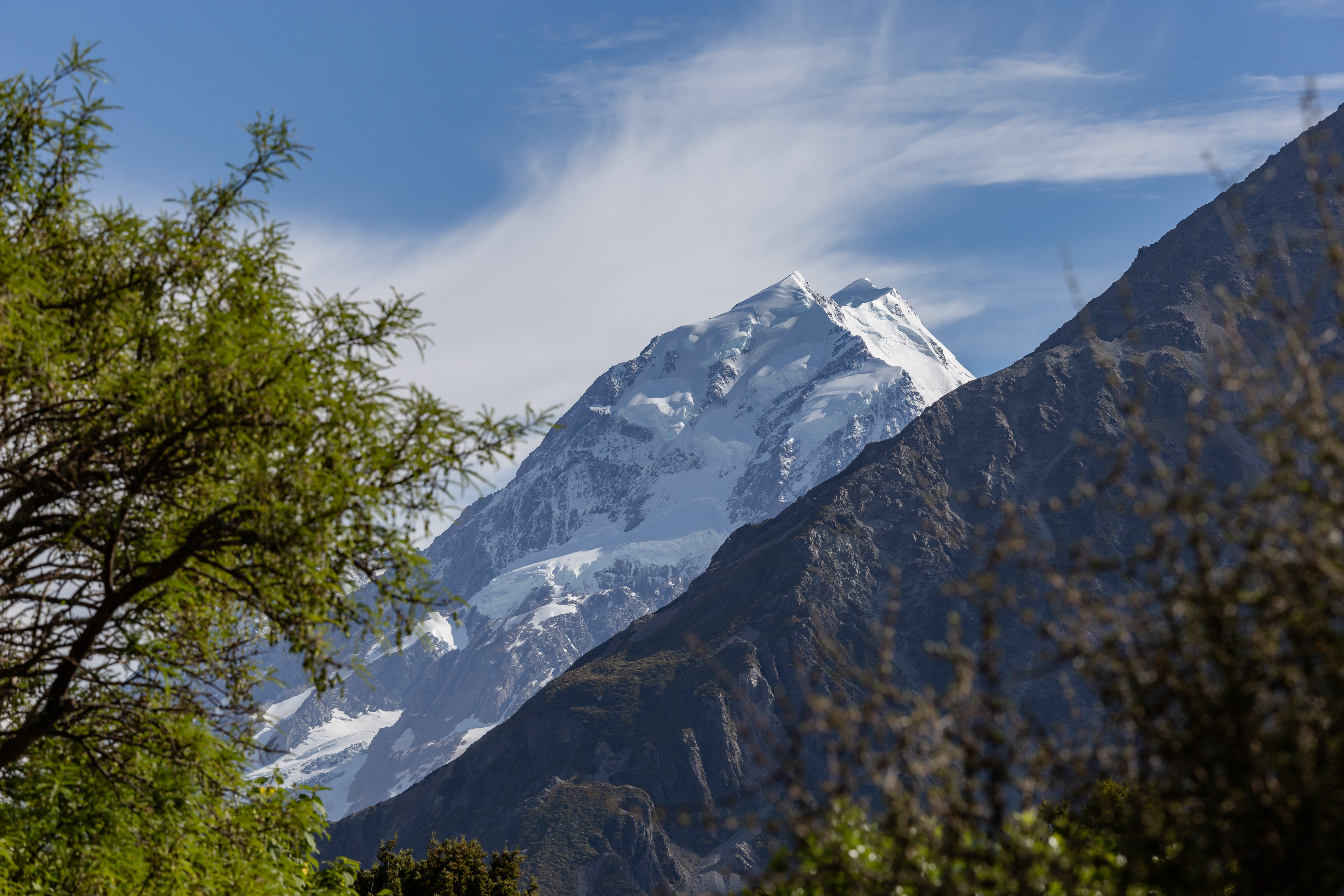
New Zealand is a world-class road-trip, hiking, scenery, beach, wildlife, wine, campervan, and adventure destination, with very different North and South Island routes from Auckland and Rotorua to Queenstown, Fiordland, Aoraki, and the alpine east.

Road tripsNatureHikingAdventure

What this trip is really like

New Zealand is a world-class road-trip, hiking, scenery, beach, wildlife, wine, campervan, and adventure destination, with very different North and South Island routes from Auckland and Rotorua to Queenstown, Fiordland, Aoraki, and the alpine east.

Capital
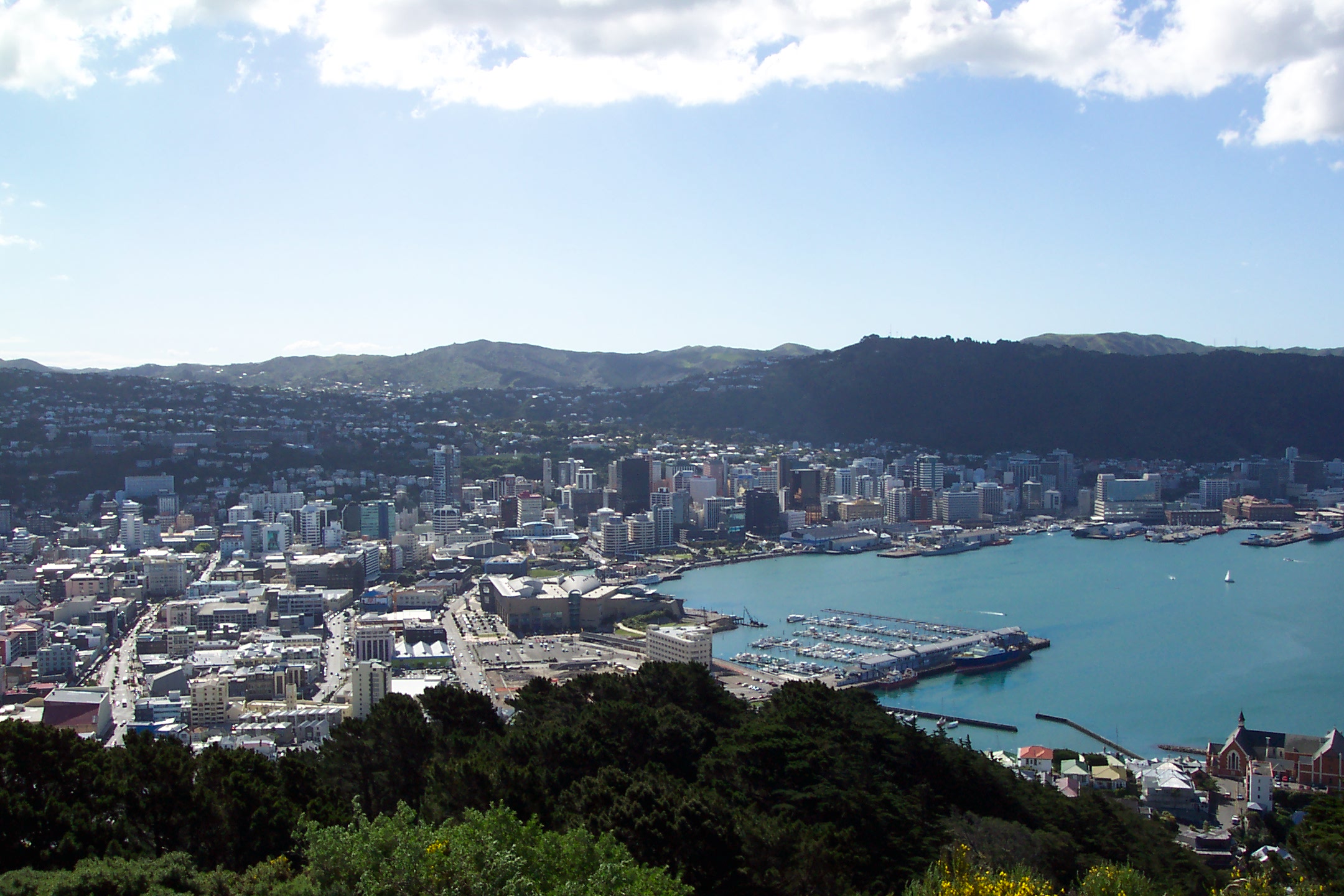
Wellington
Population
5,361,300 (31 March 2026 provisional estimate)
Language
English, Māori, New Zealand Sign Language
Currency
New Zealand dollar Currency converter ↗
Timezone
Pacific/Auckland, Pacific/Chatham
Ideal trip length
Depends on the route
Emergency
police: 111, fire: 111, medical: 111

A good fit if you…

Backpacking
Safety
Nature
Beach
Road trip
Beginner-friendly
Social

Getting around

Transport, language, entry, and safety are the details that shape how this trip feels day to day.

Getting around

Most trips rely on rental cars, campervans, domestic flights, ferries, tour buses, and scenic day tours. Distances look short but roads can be narrow, winding, steep, or unsealed, so follow NZTA guidance and build realistic weather and rest buffers.

Language

English is easy for most travel basics; local accents or creoles may still take adjustment.

English ease 4/5

Visa

New Zealand entry depends on passport, route, purpose, and character or health circumstances. Visa-waiver travelers generally need an NZeTA and a New Zealand Traveller Declaration (NZTD); most others need a visitor visa or another appropriate visa. Visa-waiver visitors usually receive up to three months at the border, or up to six months for qualifying UK passport holders, but must meet onward-travel, funds, health, character, and biosecurity requirements.

Safety & health

The current U.S. State Department advisory, issued April 29, 2026, lists New Zealand at Level 1: Exercise normal precautions and describes it as generally safe for travelers.

Level 1: Exercise normal precautions

Explore destination

These are the places that most strongly shape a first trip through New Zealand.

Best time, month by month

December-March is the strongest broad window for road trips, beaches, campervans, and the main Great Walk season, with peak prices around summer holidays. April-May and September-November are useful shoulder seasons for lower crowds and flexible routes.

ExcellentGoodOkayLess ideal

May · Excellent

Shoulder

May is quieter and cheaper for cities, geothermal stops, hot springs, food, and flexible road trips; late-autumn rain, snow, shorter days, and the end of the main Great Walk season affect alpine plans.

Highlights in May

Southern Lights

The aurora australis can illuminate dark southern skies, with viewing opportunities from parts of the South Island and Stewart Island when conditions align.

Where
South Island and Stewart Island
Timing
Sightings are never guaranteed and depend on solar activity, darkness and clear skies.

Climate at a glance

See the seasonal pattern month by month.

Temperature

20 °C13 °CJan
20 °C13 °CFeb
19 °C12 °CMar
17 °C10 °CApr
14 °C8 °CMay
12 °C6 °CJun
11 °C5 °CJul
11 °C6 °CAug
13 °C7 °CSep
15 °C8 °COct
17 °C10 °CNov
19 °C12 °CDec

Precipitation

72 mmJan
57 mmFeb
96 mmMar
110 mmApr
174 mmMay
153 mmJun
155 mmJul
127 mmAug
117 mmSep
99 mmOct
77 mmNov
97 mmDec

Climate source →

Full Travel Fit

A wider view of how this destination matches different travel styles.

Backpacking4/5

New Zealand has hostels, working-holiday culture, campervans, hiking routes, buses, and social adventure hubs, but costs are high.

Digital nomad3/5

Auckland, Wellington, Christchurch, Queenstown, and Wanaka can support remote work, but costs, distances, housing, and visa rules limit easy long stays.

Budget2/5

Nature access can be free, but lodging, cars, campervans, fuel, food, tours, ferries, and peak-season bookings make New Zealand expensive.

Safety5/5

New Zealand is Level 1 with low crime risk, but road crashes, fast weather, natural hazards, remote hikes, and cold water are serious practical risks.

Nightlife3/5

Auckland, Wellington, Queenstown, Christchurch, and university towns have good bars and events, but nightlife is secondary to outdoor travel.

Nature5/5

Fiords, glaciers, volcanoes, beaches, alpine passes, lakes, national parks, wildlife, geothermal areas, and Great Walks make nature the core reason to visit.

Beach4/5

Bay of Islands, Coromandel, Abel Tasman, west-coast surf, Otago beaches, and countless coves make beaches strong, though water can be cold.

Road trip5/5

New Zealand is one of the world’s best road-trip countries, with campervans, scenic highways, national parks, ferry routes, and varied compact landscapes.

Beginner-friendly5/5

English, safety, services, signage, tourism infrastructure, and easy booking make New Zealand very approachable, as long as driving and weather are respected.

Social4/5

Hostels, hikes, tours, campervan routes, adventure sports, ski towns, working-holiday travelers, and cafes create strong social opportunities.


A few words go a long way

English is easy for most travel basics; local accents or creoles may still take adjustment.

English ease 4/5

Learn English for your trip →

Safety & health

The current U.S. State Department advisory, issued April 29, 2026, lists New Zealand at Level 1: Exercise normal precautions and describes it as generally safe for travelers.

Read more →

On the route

  • Use normal theft precautions in cities, hostels, vehicles, trailheads, and campervan parking areas.
  • Drive on the left, allow more time than map estimates, and treat narrow rural roads, one-lane bridges, gravel, fatigue, and winter alpine routes carefully.
  • Check official alerts before hiking, alpine crossings, beaches, volcanic areas, flood-prone routes, and ferry or road transfers.

Health

  • Medical care is good but travel insurance is important for visitors, especially for adventure activities and remote routes.
  • Sun exposure is strong; use sunscreen, layers, hydration, and weatherproof gear even on short walks.
  • Cold water, fast-changing mountain weather, earthquakes, volcanic activity, floods, landslides, and delayed rescue access are practical outdoor risks.

Check the entry context for your passport

New Zealand entry depends on passport, route, purpose, and character or health circumstances. Visa-waiver travelers generally need an NZeTA and a New Zealand Traveller Declaration (NZTD); most others need a visitor visa or another appropriate visa. Visa-waiver visitors usually receive up to three months at the border, or up to six months for qualifying UK passport holders, but must meet onward-travel, funds, health, character, and biosecurity requirements.

Read more →

New Zealand entry depends on passport, route, purpose, and character or health circumstances. Visa-waiver travelers generally need an NZeTA and a New Zealand Traveller Declaration (NZTD); most others need a visitor visa or another appropriate visa. Visa-waiver visitors usually receive up to three months at the border, or up to six months for qualifying UK passport holders, but must meet onward-travel, funds, health, character, and biosecurity requirements.

Keep the details current

A short list of the most useful official, climate, tourism, and route references behind this guide.

5 source groups
View all sources

Open plan: Open the app

Transport, language, entry, and safety are the details that shape how this trip feels day to day.