Nicaragua
← Back to destinations

Nicaragua

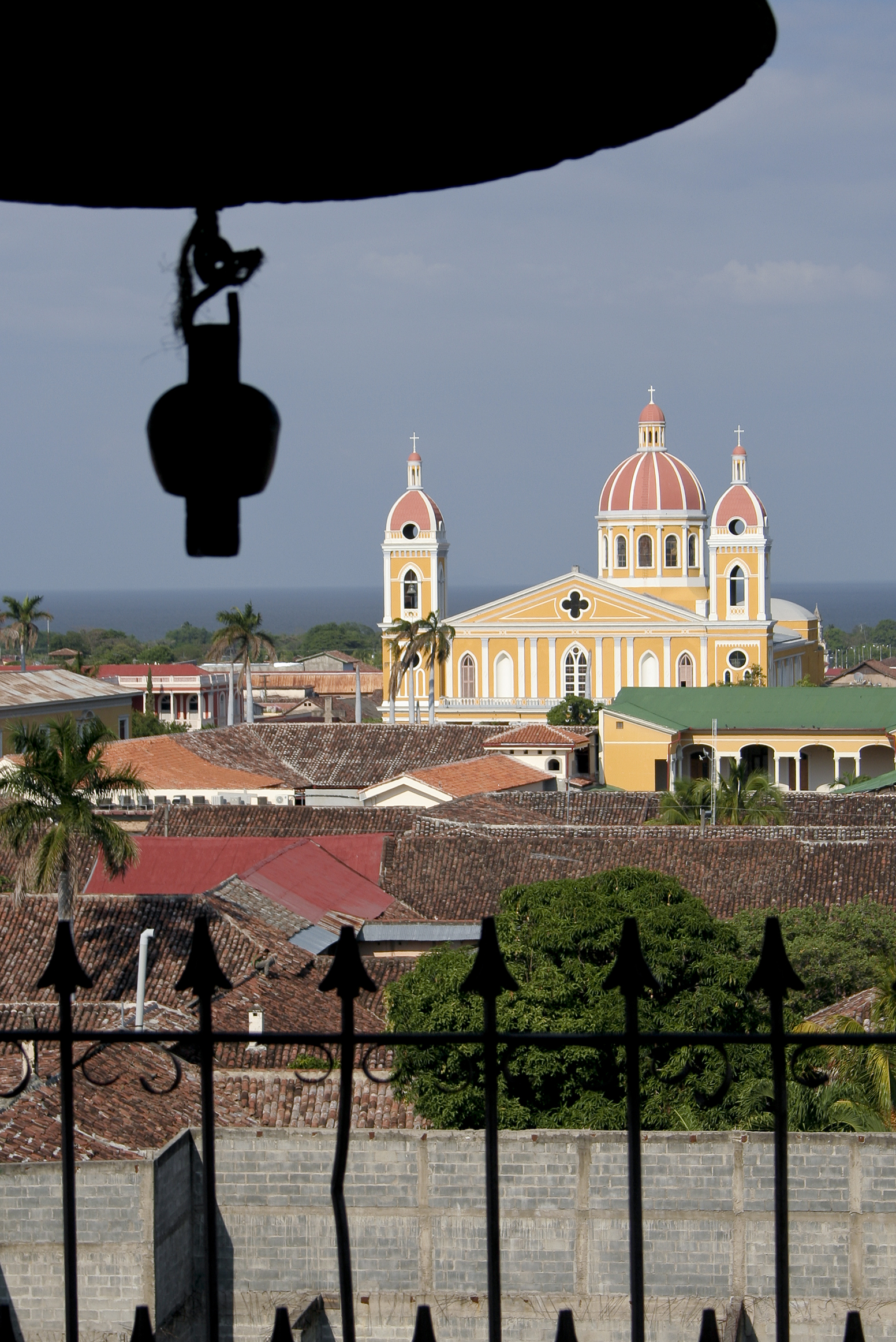
Nicaragua is known as the land of lakes and volcanoes: Lake Nicaragua, Ometepe's twin volcanic peaks, Pacific surf beaches, Caribbean islands, and colonial León and Granada give the country a wide range of routes.

VolcanoesLakesColonial citiesSurf

What this trip is really like

Nicaragua is known as the land of lakes and volcanoes: Lake Nicaragua, Ometepe's twin volcanic peaks, Pacific surf beaches, Caribbean islands, and colonial León and Granada give the country a wide range of routes.

Capital
Managua
Population
About 6.95 million (INIDE 2024 estimate)
Language
Spanish, Miskito, Mayangna, Rama
Currency
Nicaraguan córdoba Currency converter ↗
Timezone
America/Managua
Ideal trip length
Depends on the route
Emergency
police: 911, medical: 911, fire: 911

A good fit if you…

Budget
Nature
Beach
Social

Getting around

Transport, language, entry, and safety are the details that shape how this trip feels day to day.

Getting around

Managua's Augusto C. Sandino International Airport is the main air gateway. Intercity buses link the Pacific cities and highlands, ferries reach Ometepe from San Jorge and Granada, and Little Corn is reached by boat from Big Corn. Roads, vehicles, lighting, and bus or taxi standards can be poor, so avoid driving at night, use authorized taxis, and check ferry and flight schedules before island transfers.

Language

Spanish is important for independent travel. English is more common in Caribbean beach tourism and established hotels, but not consistently outside visitor services.

English ease 3/5

Visa

For a British citizen passport, current UK guidance allows tourism or business visits to Nicaragua for up to 90 days without a visa, with a passport valid at least 6 months after arrival and an onward ticket potentially required. The CA-4 stay count starts on entry to Nicaragua, Guatemala, El Salvador, or Honduras and does not reset at borders; other passports, work or study, and longer stays require the applicable Nicaraguan rules. Yellow-fever proof may depend on the country of departure.

Safety & health

Current U.S. guidance says to reconsider travel because of crime, health, wrongful detention, and arbitrary enforcement of local laws; reassess conditions before departure.

Caution

Explore destination

These are the places that most strongly shape a first trip through Nicaragua.

Best time, month by month

December-April is generally the driest window for Pacific and colonial-city routes; May-November is the rainy season, with heavier rain in September and October and possible road or volcano-access disruption. Caribbean conditions differ.

ExcellentGoodOkayLess ideal

April · Excellent

Shoulder

April in Managua averages 35°C highs, 24°C lows, and 28.6 mm precipitation in the 1992-2021 climate baseline; plan strenuous hikes around the heat.

Climate at a glance

See the seasonal pattern month by month.

Temperature

30 °C20 °CJan
31 °C21 °CFeb
32 °C21 °CMar
33 °C22 °CApr
32 °C23 °CMay
30 °C22 °CJun
30 °C22 °CJul
30 °C22 °CAug
30 °C22 °CSep
29 °C22 °COct
29 °C21 °CNov
30 °C20 °CDec

Precipitation

14 mmJan
10 mmFeb
10 mmMar
24 mmApr
149 mmMay
263 mmJun
147 mmJul
179 mmAug
272 mmSep
279 mmOct
75 mmNov
21 mmDec

Climate source →

Full Travel Fit

A wider view of how this destination matches different travel styles.

Backpacking3/5

Nicaragua can be inexpensive and rewarding for experienced backpackers, with buses, hostels, colonial cities, volcano routes, and island ferries. Spanish, route planning, and current security checks are important.

Digital nomad2/5

Granada, León, and parts of Managua have cafes and workable connectivity, but infrastructure, electricity, health care, and the current legal climate make Nicaragua a poor fit for a carefree long stay.

Budget4/5

Local buses, simple guesthouses, markets, and dishes such as gallo pinto and nacatamales can keep costs moderate; island flights, organized volcano trips, and secure transport raise the budget.

Safety2/5

The current U.S. advisory says reconsider travel because of crime, health, wrongful detention, and arbitrary enforcement; FCDO also warns about violent crime, political activity, poor roads, and strong surf.

Nightlife3/5

Granada, León, Managua, and San Juan del Sur have active evening scenes, but use authorized taxis, avoid isolated areas after dark, and account for current political restrictions.

Nature5/5

Volcanoes, Lake Nicaragua, Ometepe, cloud forest, rainforests, and Caribbean reefs give Nicaragua an unusually dense mix of outdoor landscapes.

Beach4/5

The Pacific has surf beaches and the Caribbean has the Corn Islands and reefs; strong currents, diving risk, weather, and limited rescue capacity mean water activities need care.

Road trip3/5

A car can connect colonial cities, volcanoes, and Pacific beaches, but roads, vehicles, lighting, traffic behavior, protests, and night-driving risks require conservative planning.

Beginner-friendly2/5

Nicaragua offers clear highlights and affordable local food, but limited English outside tourist services, Spanish-dependent logistics, political-law risks, health constraints, and poor roads make it better for prepared travelers.

Social4/5

Hostels, surf towns, Spanish schools, volunteer networks, and shared volcano or island excursions make it easy to meet people, especially around Granada, León, and the Pacific coast.


A few words go a long way

Spanish is important for independent travel. English is more common in Caribbean beach tourism and established hotels, but not consistently outside visitor services.

English ease 3/5

Learn Spanish for your trip →
holahello
graciasthank you
perdónexcuse me

Safety & health

Current U.S. guidance says to reconsider travel because of crime, health, wrongful detention, and arbitrary enforcement of local laws; reassess conditions before departure.

Read more →

On the route

  • Violent attacks can target people in vehicles. Avoid public transport after dark, keep vehicle doors locked, and take extra care around markets, bus stations, and poorer areas.
  • Unauthorized taxis carry an express-kidnapping risk; use a radio-dispatched or clearly authorized taxi and avoid shared colectivos with strangers.
  • Roads and vehicles are often poor, major highways may have no lighting, and serious crashes can lead to detention during an investigation. Avoid driving at night.

Health

  • Malaria, dengue, and Zika occur; arrange a travel-health consultation and check vaccine needs well before departure.
  • Public hospitals are poorly equipped outside some Managua facilities, while private care may require payment up front. Carry insurance that includes medical evacuation and expect Spanish to be needed.
  • Police, ambulance, and fire services use 911.

Check the entry context for your passport

For a British citizen passport, current UK guidance allows tourism or business visits to Nicaragua for up to 90 days without a visa, with a passport valid at least 6 months after arrival and an onward ticket potentially required. The CA-4 stay count starts on entry to Nicaragua, Guatemala, El Salvador, or Honduras and does not reset at borders; other passports, work or study, and longer stays require the applicable Nicaraguan rules. Yellow-fever proof may depend on the country of departure.

Read more →

For a British citizen passport, current UK guidance allows tourism or business visits to Nicaragua for up to 90 days without a visa, with a passport valid at least 6 months after arrival and an onward ticket potentially required. The CA-4 stay count starts on entry to Nicaragua, Guatemala, El Salvador, or Honduras and does not reset at borders; other passports, work or study, and longer stays require the applicable Nicaraguan rules. Yellow-fever proof may depend on the country of departure.

Open plan: Open the app

Transport, language, entry, and safety are the details that shape how this trip feels day to day.