Independent backpacking is not permitted. Tourists normally need an approved organised tour, guide, visa, and itinerary, while general entry remains restricted.
North Korea is not a workable digital-nomad base: independent stays are not permitted, internet and mobile access are restricted, and remote-work equipment or content can create customs and legal problems.
Budget travel is not realistic because accommodation, meals, transport, guides, approvals, and foreign-currency payments are controlled by the operator and authorities rather than chosen independently.
The main risk is not street crime but arrest, long-term detention, wrongful detention, legal exposure, and limited consular support.
There is no normal independent nightlife product. Evening activity, venues, and movement are limited to what an approved itinerary and guide permit.
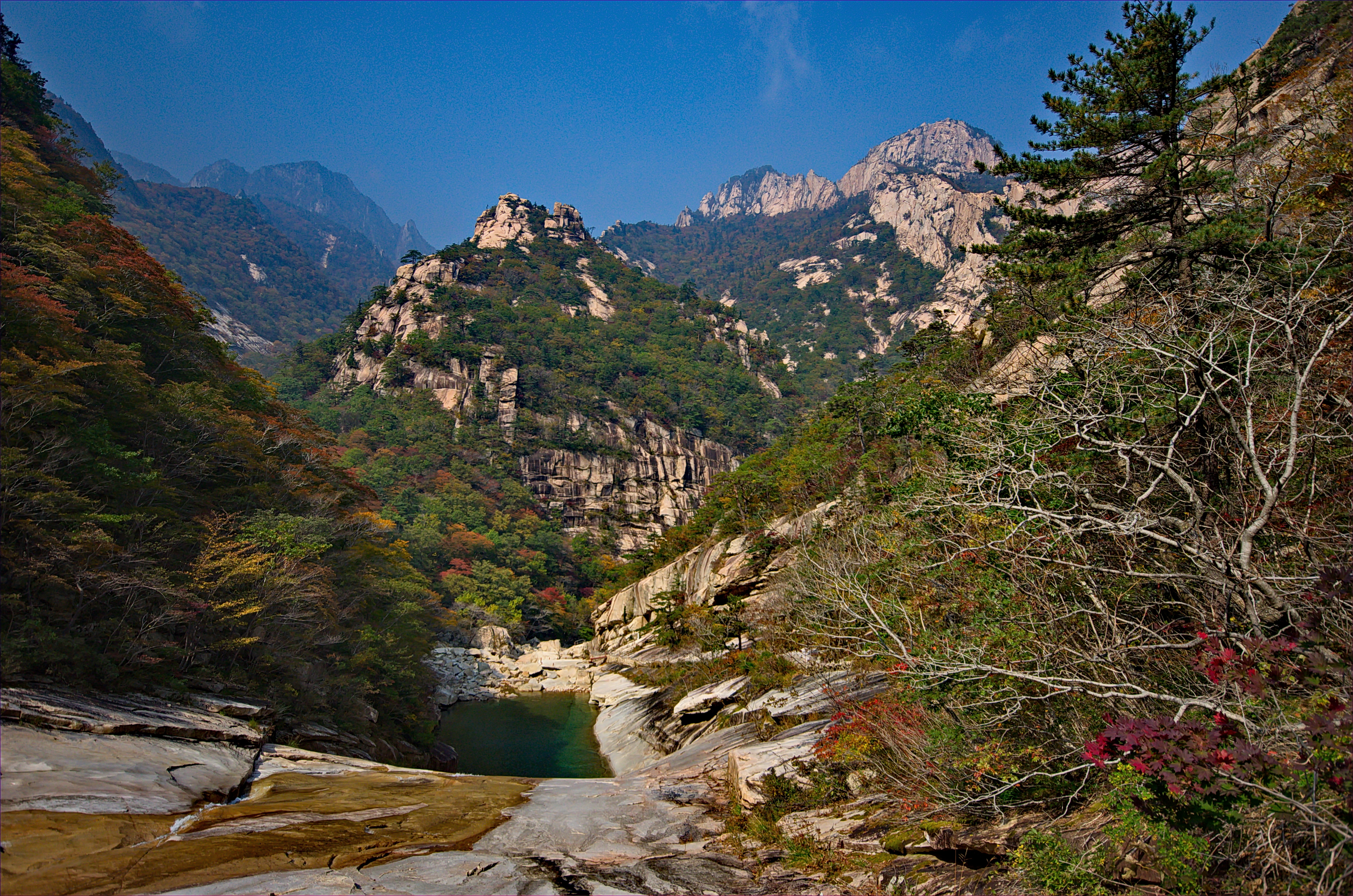
Mountains, coast, and heritage landscapes exist, including Mount Kumgang, but access is politically and operationally restricted and cannot be planned as independent outdoor travel.
North Korea has a coastline, but it is not a normal independent beach destination; coastal access, facilities, photography, and movement depend on official permission and the tour itinerary.
Self-drive and flexible road trips are not permitted. Vehicles, routes, stops, and border crossings are arranged through approved operators and guides, with poor roads and checkpoints adding constraints.
This is not beginner-friendly: legal rules are strict, movement and photography are controlled, border access can change, and consular or medical help is severely limited.
Traveler interaction is tightly mediated by guides and approved settings, so North Korea does not offer the spontaneous hostels, meetups, or local social travel assumed by a high social score.




.jpg)

