Norway is spectacular but expensive for backpacking. Hostels, cabins, camping, rail passes, ferries, grocery meals, and careful route planning help, but distances and weather limit spontaneity.
Oslo, Bergen, Trondheim, Stavanger, and Tromso have strong infrastructure and English-friendly services, but high costs, housing pressure, weather, and Schengen limits make longer stays selective.
Norway is one of Europe's most expensive destinations. Supermarkets, cabins, camping, advance train tickets, self-catering, and fewer paid tours help but do not make it cheap.
Norway is a Level 1 normal-precautions destination. Most visitor risk is environmental: weather, winter roads, mountains, avalanches, water, cliffs, tunnels, ferries, and remote rescue distances.
Oslo has the strongest nightlife, with Bergen, Trondheim, Stavanger, and Tromso adding bars, music, student energy, and Arctic evenings. Small towns are quieter.
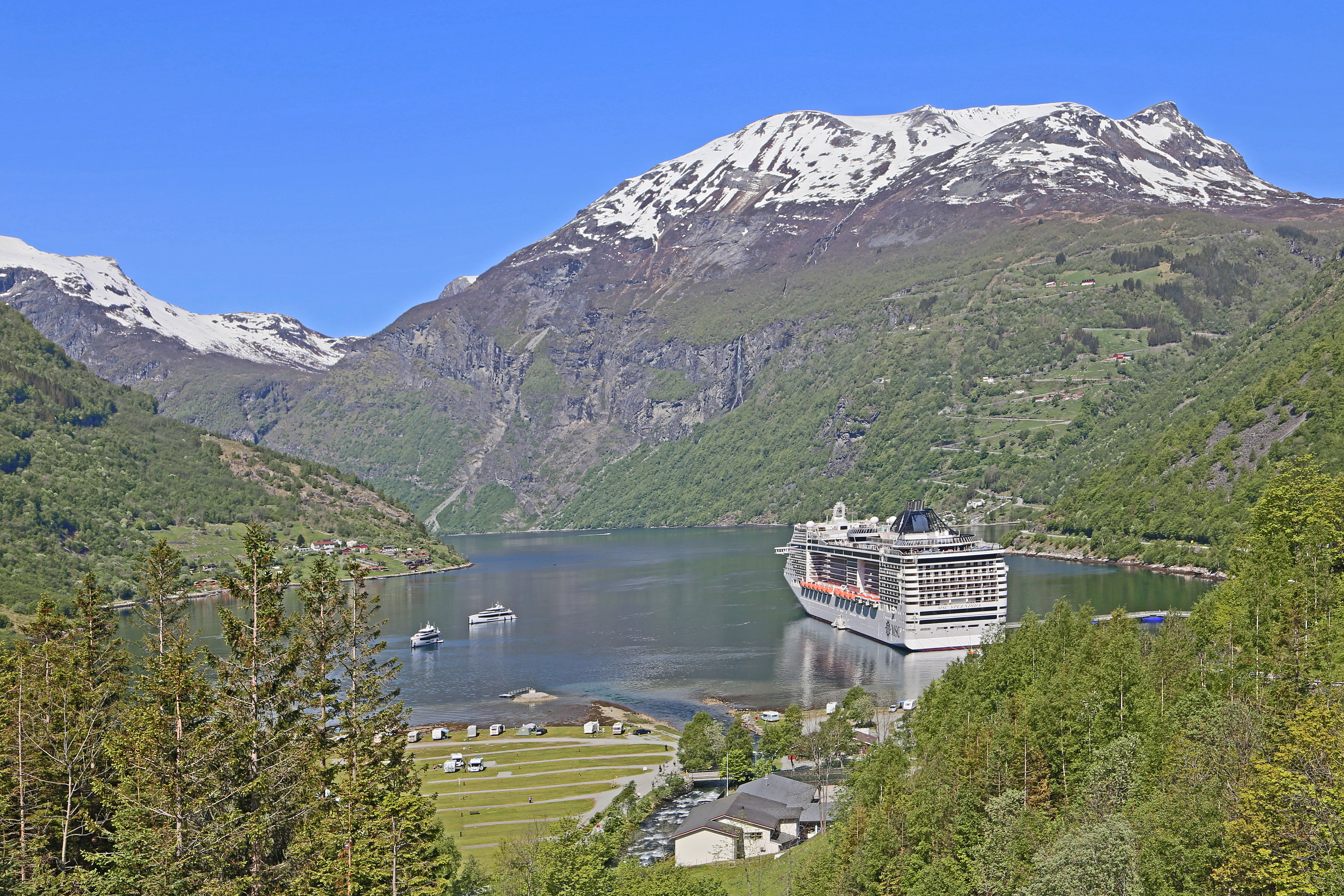
Norway is world-class for fjords, mountains, waterfalls, islands, Arctic landscapes, northern lights, midnight sun, hiking, skiing, scenic rail, and coastal voyages.
Norway has dramatic beaches in Lofoten, Jaeren, and along the coast, but cold water and weather make it scenic-coast travel rather than a beach-led trip.
Road trips are excellent for fjords, Lofoten, Senja, Atlantic Road, scenic routes, western Norway, and Arctic drives, with ferries, tunnels, weather, closures, and long distances requiring planning.
Norway is safe, organized, English-friendly, and well set up for tourism, but high costs, weather, terrain, driving complexity, and long distances require more planning than city-focused destinations.
Hostels, tours, cabins, fjord cruises, northern-lights trips, student cities, and hiking routes can be social, but many nature and road-trip experiences are quiet or self-directed.