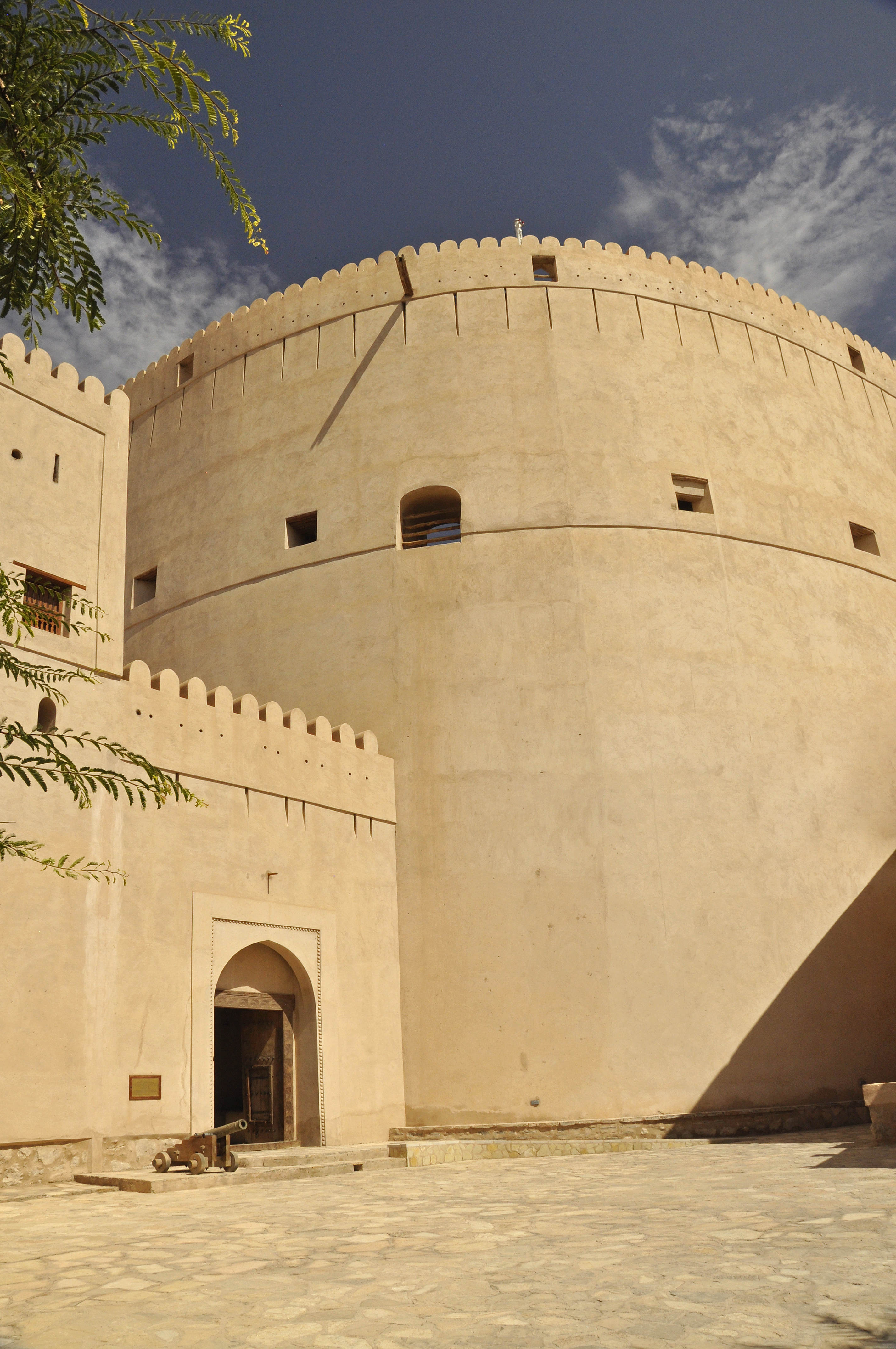
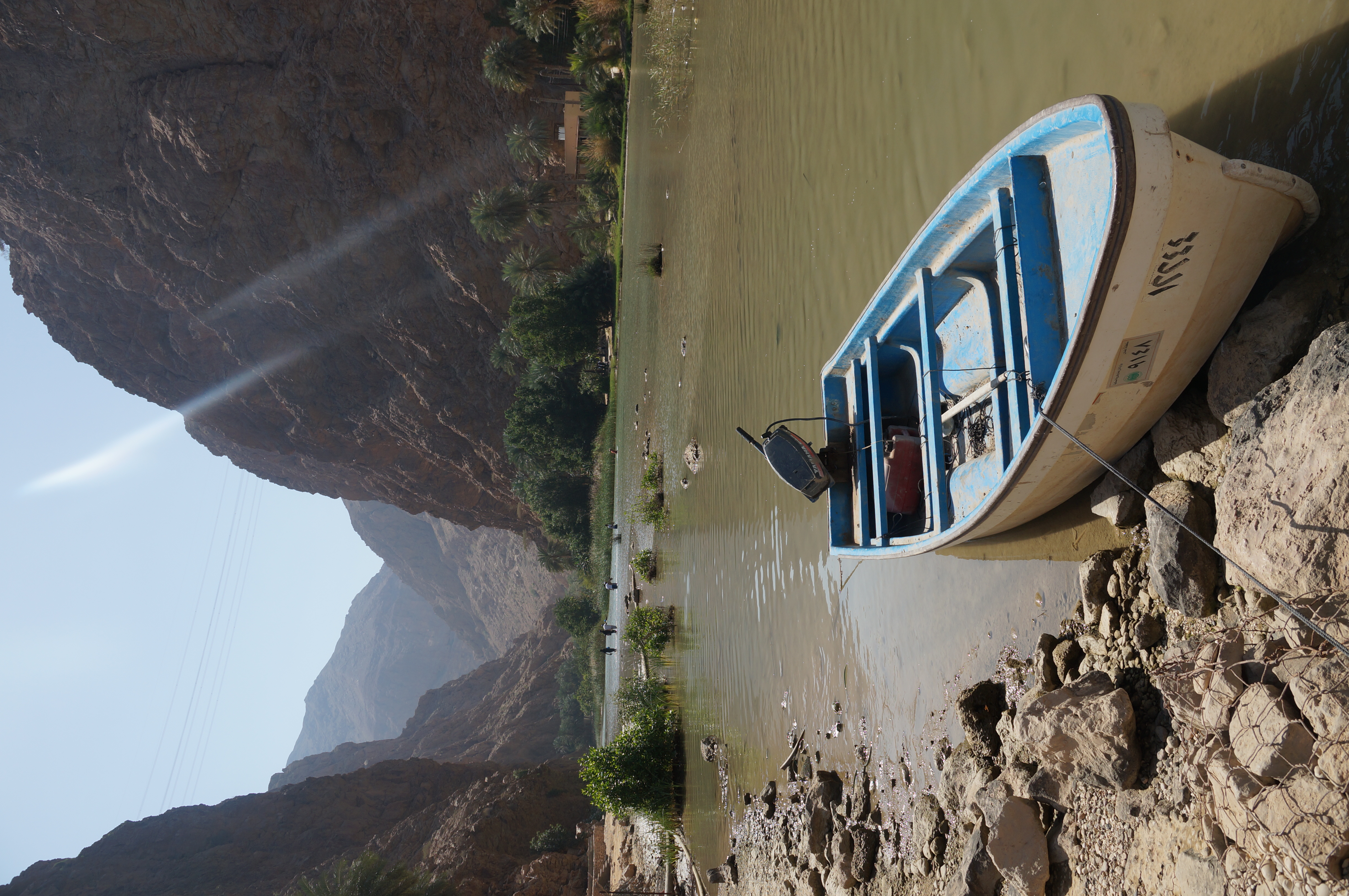
Oman is more practical with a rental car or organized excursions than as a classic backpacking route; buses connect major cities, but remote wadis, mountains, and desert need extra logistics.
Muscat offers strong services, accommodation, and connectivity for the region, but passport-dependent stay rules, extreme summer heat, and current regional risk make longer work stays a considered choice.
Oman is not the cheapest Gulf destination once accommodation, car hire, fuel, and 4WD excursions are included, but local food and self-drive planning can keep a trip moderate.
Current official advice is Level 3, Reconsider Travel, because of regional armed-conflict and terrorism risk; Yemen-border travel is specifically discouraged and everyday plans need current security checks.
Muscat has licensed hotel bars, restaurants, and cultural evenings, but alcohol is restricted and Oman is better suited to early starts, food, and outdoor routes than a large club scene.
Oman packs wadis, Hajar mountain villages, desert dunes, frankincense landscapes, turtle beaches, and clear-water coasts into a varied but logistics-heavy outdoor destination.
The long coastline supports swimming, beaches, dolphin and boat trips, turtle reserves, and coastal wadis; water conditions and local guidance still matter.
A road trip is one of Oman's strengths, linking Muscat, Nizwa, wadis, mountains, coast, and A'Sharqiyah Sands, but desert and mountain sections require the right vehicle, weather checks, and driving discipline.
English is widely useful and visitor services are established, but passport-specific entry rules, conservative laws, extreme heat, flash-flood risk, and 4WD route planning add complexity for first-timers.
Muscat, Nizwa, Salalah, guided desert camps, souqs, and outdoor tours provide natural social settings, while independent nightlife and hostel culture are limited.



.jpg)