Palestinian Territories
← Back to destinations

Palestinian Territories

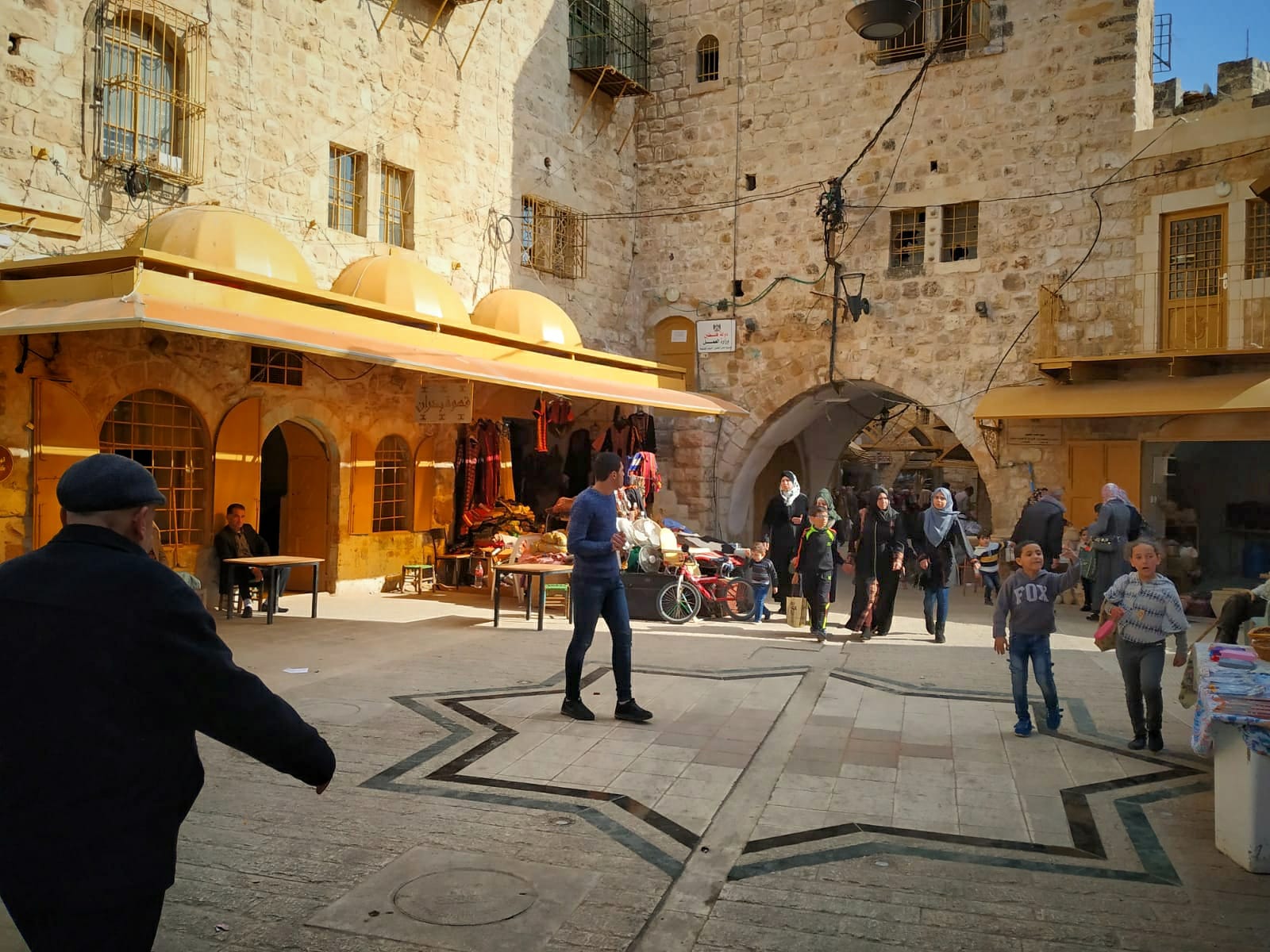
Palestine is a geographically divided destination of the West Bank and Gaza Strip with exceptional living religious, archaeological, culinary, and cultural heritage.

HistoryCultureFoodPilgrimageWest Bank routes

What this trip is really like

Palestine is a geographically divided destination of the West Bank and Gaza Strip with exceptional living religious, archaeological, culinary, and cultural heritage. The West Bank has buses, shared taxis, taxis, and private or organized cars, but current FCDO advice warns against West Bank taxis and buses because of accident risk and checkpoint or closure exposure.

Capital
Ramallah
Population
5,876,648 residents (2026 PCBS projection; Gaza estimate is affected by the conflict)
Language
Arabic, English
Currency
Israeli new shekel, Jordanian dinar, United States dollar Currency converter ↗
Timezone
Asia/Hebron, Asia/Gaza
Ideal trip length
Depends on the route
Emergency
police: 100, medical: 101, fire: 102

Getting around

Transport, language, entry, and safety are the details that shape how this trip feels day to day.

Getting around

The West Bank has buses, shared taxis, taxis, and private or organized cars, but current FCDO advice warns against West Bank taxis and buses because of accident risk and checkpoint or closure exposure. If travel is permitted, use a locally vetted operator or properly insured driver, carry documents, and confirm routes shortly before departure; Gaza crossings and internal movement are not normal tourist transport.

Language

English is useful in pilgrimage services, hotels, guides, and larger cities, but Arabic basics and local help matter outside established visitor routes.

English ease 3/5

Visa

Entry to Palestine depends on the area, passport, and purpose. Israeli authorities control entry to the West Bank and Gaza; visitors normally need a passport and Israeli immigration slip for checkpoints. Passport validity, visa exemption or ETA-IL requirements, and any advance authorisation vary by nationality, so check Israel's Population and Immigration Authority and COGAT procedures before booking. Gaza entry and exit require advance permission and crossings can close without notice; FCDO advises against all travel there. British travelers need a passport valid at least 90 days after arrival and an ETA-IL if required.

Safety & health

FCDO advises against all travel to Gaza and within 500 metres of the Gaza border, and against all travel to Tulkarm, Jenin, and Tubas governorates except Route 90.

Avoid Gaza and parts of the West Bank

Explore destination

These are the places that most strongly shape a first trip through Palestinian Territories.

Best time, month by month

Ramallah and much of the West Bank are easiest for outdoor touring in spring and autumn, with cool wet winters and hot dry summers.

ExcellentGoodOkayLess ideal

March · Excellent

Shoulder

March in Ramallah had mild spring conditions in the 2024 PCBS and Palestinian Meteorological Directorate table: mean 12.9 °C, lows 9.5 °C, highs 17.2 °C, and 61.0 mm of rain.

Climate at a glance

See the seasonal pattern month by month.

Temperature

18 °C9 °CJan
20 °C10 °CFeb
24 °C12 °CMar
27 °C15 °CApr
31 °C19 °CMay
34 °C22 °CJun
35 °C24 °CJul
35 °C25 °CAug
33 °C23 °CSep
30 °C19 °COct
26 °C15 °CNov
20 °C10 °CDec

Precipitation

62 mmJan
46 mmFeb
24 mmMar
11 mmApr
4 mmMay
0 mmJun
0 mmJul
0 mmAug
0 mmSep
7 mmOct
25 mmNov
54 mmDec

Climate source →

Full Travel Fit

A wider view of how this destination matches different travel styles.

Backpacking2/5

The West Bank has city bases and organized cultural routes, but checkpoints, closures, unpredictable transit, and current advisories make independent backpacking far less flexible than the map suggests.

Digital nomad1/5

Ramallah has the strongest services and connectivity, but entry permissions, movement restrictions, unstable regional conditions, and limited predictability make Palestine unsuitable for a normal digital-nomad stay.

Budget2/5

Local food and city lodging can be good value, but private or organized transport, changing routes, insurance, and last-minute accommodation changes can raise the real trip cost.

Safety1/5

FCDO advises against all travel to Gaza and several West Bank areas, while the U.S. lists the West Bank as Level 3, Reconsider Travel; terrorism, civil unrest, checkpoints, closures, and limited emergency options require the lowest safety score.

Nightlife2/5

Ramallah and some Bethlehem venues offer cafes, restaurants, and evening culture, but nightlife is modest, alcohol is not universal, and current security and transport advice make late-night plans unreliable.

Nature3/5

The West Bank includes olive-covered hills, the Jericho and Jordan Valley landscape, Jerusalem Wilderness routes, wadis, and archaeological landscapes, but access and safety are highly route-dependent.

Beach1/5

Palestine has a Mediterranean coastline in Gaza, but current FCDO advice is against all travel there and Gaza is not a normal beach destination for trip planning.

Road trip1/5

Checkpoints, closures, restricted roads, security incidents, insurance limits, and changing border procedures make a self-drive itinerary unreliable; only consider a route after current official and local checks.

Beginner-friendly1/5

English and established pilgrimage services help in some cities, but passport-dependent entry, permits, checkpoints, route closures, severe regional risk, and limited emergency predictability make this unsuitable for most first-time travelers.

Social3/5

Ramallah, Bethlehem, Nablus, and Jericho have cafes, markets, food traditions, tours, and strong local hospitality, although current access rules and security conditions limit spontaneous movement.


A few words go a long way

English is useful in pilgrimage services, hotels, guides, and larger cities, but Arabic basics and local help matter outside established visitor routes.

English ease 3/5

Learn Arabic for your trip →
أين المحطة؟Where is the station?'ayn almahatatu?

Safety & health

FCDO advises against all travel to Gaza and within 500 metres of the Gaza border, and against all travel to Tulkarm, Jenin, and Tubas governorates except Route 90.

Read more →

On the route

  • Carry your passport and immigration slip or a secure copy, follow local and Israeli authority instructions, and check checkpoint and road status before every intercity journey.
  • Avoid demonstrations, military or security facilities, refugee camps, settlement outposts, and unfamiliar areas after dark; do not photograph security infrastructure.
  • FCDO advises against using taxis and buses in the West Bank because of accident risk. If travel is permitted, use a locally vetted operator or properly insured driver and keep the itinerary flexible.

Health

  • Buy travel insurance that covers the whole itinerary and emergency evacuation; travelling against official advice can invalidate cover.
  • Carry regular medicines, water, sun protection, and identification, and allow for route closures that can delay access to medical care.
  • Check current health and vaccination advice with a travel-health professional before departure; Gaza and some West Bank routes have severely limited or disrupted services.

Check the entry context for your passport

Entry to Palestine depends on the area, passport, and purpose. Israeli authorities control entry to the West Bank and Gaza; visitors normally need a passport and Israeli immigration slip for checkpoints. Passport validity, visa exemption or ETA-IL requirements, and any advance authorisation vary by nationality, so check Israel's Population and Immigration Authority and COGAT procedures before booking. Gaza entry and exit require advance permission and crossings can close without notice; FCDO advises against all travel there. British travelers need a passport valid at least 90 days after arrival and an ETA-IL if required.

Read more →

Entry to Palestine depends on the area, passport, and purpose. Israeli authorities control entry to the West Bank and Gaza; visitors normally need a passport and Israeli immigration slip for checkpoints. Passport validity, visa exemption or ETA-IL requirements, and any advance authorisation vary by nationality, so check Israel's Population and Immigration Authority and COGAT procedures before booking. Gaza entry and exit require advance permission and crossings can close without notice; FCDO advises against all travel there. British travelers need a passport valid at least 90 days after arrival and an ETA-IL if required.

Keep the details current

A short list of the most useful official, climate, tourism, and route references behind this guide.

5 source groups
View all sources

Open plan: Open the app

Transport, language, entry, and safety are the details that shape how this trip feels day to day.