Papua New Guinea
← Back to destinations

Papua New Guinea

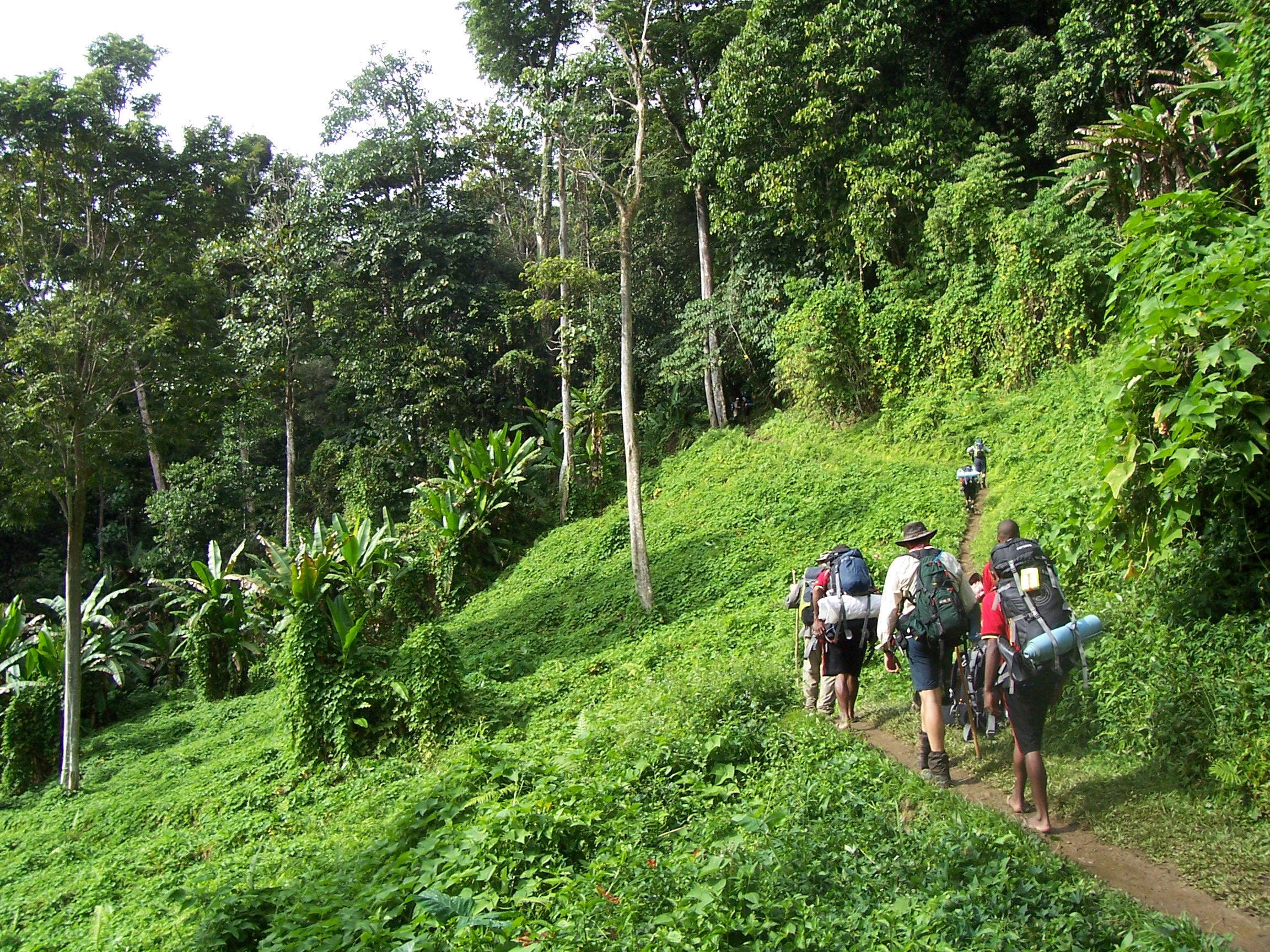
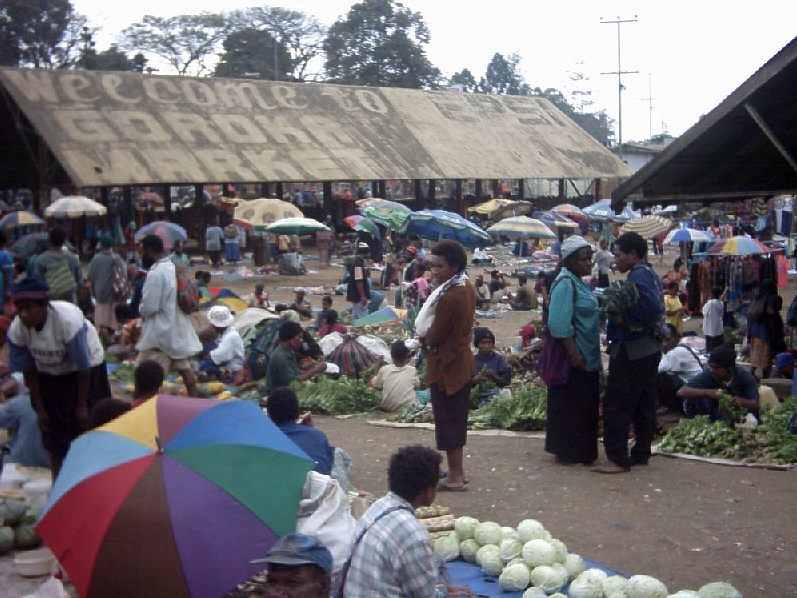
Papua New Guinea is a remarkable but demanding destination for cultural festivals, diving, birding, trekking, islands, volcanoes, and remote communities. It can be unforgettable with expert local operators, but safety, logistics, health, weather, and route selection require far more care than a normal beach or backpacker trip.

CultureDivingTrekkingAdventure

What this trip is really like

Papua New Guinea is a remarkable but demanding destination for cultural festivals, diving, birding, trekking, islands, volcanoes, and remote communities. It can be unforgettable with expert local operators, but safety, logistics, health, weather, and route selection require far more care than a normal beach or backpacker trip.

Capital
Port Moresby
Population
10,185,363 residents (2024 census final figures)
Language
English, Hiri Motu, Tok Pisin
Currency
Papua New Guinean kina Currency converter ↗
Timezone
Pacific/Port_Moresby, Pacific/Bougainville
Ideal trip length
Depends on the route
Emergency
police: 112, medical: 111, fire: 110

A good fit if you…

Nature
Beach

Getting around

Transport, language, entry, and safety are the details that shape how this trip feels day to day.

Getting around

Most visitors combine domestic flights, trusted tour vehicles or hotel transfers, and boats. Roads are poor, PMVs and taxis can be unsafe, flights are often delayed or cancelled, and ferries may be overcrowded or disrupted by weather. Use licensed operators, daylight transfers, security escorts or convoys where advised, life jackets and communications on boats, and buffer days. Kokoda and other treks need a licensed operator, permits, and an emergency plan.

Language

English is official and useful for travel logistics, while Tok Pisin is widely spoken and often more helpful in markets, villages, and informal settings.

English ease 4/5

Visa

All foreign visitors need a PNG visa or entry permit, but the route depends on passport, purpose, and port. The current PNG Immigration and Citizenship Services Authority list makes visa on arrival available only to selected passports and territories; mainland U.S. and New Zealand passports are not on that list, so do not assume arrival processing. Eligible visitor permits can be single-entry 30- or 60-day classes, while other travelers apply online through the official eVisa portal or a PNG mission. A passport valid at least six months, onward or return travel, and yellow-fever proof when arriving from a listed risk country may be required. Every traveler must submit the free PNG Digital Arrival Card within 72 hours before arrival; it is not a visa. Tourist visas do not permit work, and trekking, journalism, study, employment, or other specialist routes need separate permits or approvals.

Safety & health

The U.S. State Department lists PNG at Level 3: Reconsider Travel because of crime, civil unrest, and piracy. U.S. personnel face extra restrictions in central Bougainville, Southern Highlands, Hela, Enga, most of Western Highlands outside Mt. Hagen, most of Eastern Highlands outside Goroka, and areas not reachable by direct flight.

Reconsider travel; avoid high-risk regions

Explore destination

These are the places that most strongly shape a first trip through Papua New Guinea.

Best time, month by month

PNG has no single best season. Port Moresby and many southern routes are driest from June to October, while monsoon and cyclone-season weather is more disruptive from November to May.

ExcellentGoodOkayLess ideal

April · Excellent

Shoulder

April is a shoulder month: rain often eases around Port Moresby, but regional rainfall, road conditions, and cyclone-season disruption still need checking.

Climate at a glance

See the seasonal pattern month by month.

Temperature

32 °C23 °CJan
32 °C23 °CFeb
31 °C23 °CMar
31 °C23 °CApr
31 °C23 °CMay
30 °C23 °CJun
30 °C22 °CJul
29 °C22 °CAug
30 °C22 °CSep
31 °C23 °COct
32 °C23 °CNov
32 °C23 °CDec

Precipitation

234 mmJan
218 mmFeb
261 mmMar
151 mmApr
128 mmMay
105 mmJun
53 mmJul
38 mmAug
92 mmSep
112 mmOct
111 mmNov
174 mmDec

Climate source →

Full Travel Fit

A wider view of how this destination matches different travel styles.

Backpacking2/5

PNG rewards adventurous travelers, but safety, transport, lodging, permits, costs, and route complexity make casual independent backpacking difficult.

Digital nomad1/5

Connectivity, power reliability, safety, costs, and visa practicality make PNG a poor fit for routine remote-work stays outside tightly managed short visits.

Budget2/5

Local food can be modest, but secure transport, flights, guides, lodges, diving, trekking, and contingency planning make many trips expensive.

Safety1/5

Current U.S. guidance is Level 3: Reconsider Travel, with serious crime, unrest, piracy, kidnapping, healthcare, unexploded-ordnance, and natural-disaster concerns.

Nightlife2/5

Port Moresby and some towns have bars or hotel venues, but nightlife is limited and late-night movement increases safety risk.

Nature5/5

Rainforests, reefs, islands, volcanoes, mountains, birdlife, rivers, and remote trekking make PNG outstanding for nature with the right operator.

Beach4/5

Milne Bay, Madang, New Ireland, East New Britain, and island routes offer excellent diving, reefs, beaches, and marine culture, though safety and logistics matter.

Road trip1/5

Roads are limited, rough, and sometimes unsafe; most visitors should rely on flights, boats, transfers, and trusted local operators instead of car-led routes.

Beginner-friendly1/5

PNG is not beginner-friendly because safety, health, transport, weather, permits, and regional routing require experienced planning or guided support.

Social3/5

Guided treks, dive lodges, cultural festivals, birding tours, and expedition-style groups create social travel, but it is not a casual hostel circuit.


A few words go a long way

English is official and useful for travel logistics, while Tok Pisin is widely spoken and often more helpful in markets, villages, and informal settings.

English ease 4/5

Learn English for your trip →

Safety & health

The U.S. State Department lists PNG at Level 3: Reconsider Travel because of crime, civil unrest, and piracy. U.S. personnel face extra restrictions in central Bougainville, Southern Highlands, Hela, Enga, most of Western Highlands outside Mt. Hagen, most of Eastern Highlands outside Goroka, and areas not reachable by direct flight.

Read more →

On the route

  • Serious crime is a high risk in Port Moresby, Lae, and Mount Hagen. Avoid walking after dark, displaying valuables, large ATM withdrawals, informal taxis, PMVs, and unescorted road transfers; use secure hotel or operator transport.
  • Avoid demonstrations, crowds, active tribal fighting, and high-risk Highlands or Bougainville routes. Check local security advice before moving between towns; Kokoda access can be blocked at short notice.
  • Use a licensed Kokoda or trekking operator, stay with the group, ask permission before taking pictures of people or cultural sites, and never touch war remnants or unknown metal objects.

Health

  • Call 111 for medical emergencies. Facilities are basic, medicines can be scarce, and serious illness or injury may require evacuation to Australia; the only hyperbaric chamber is in Port Moresby. Carry evacuation-capable insurance and accessible funds.
  • Malaria and dengue occur year-round, with high malaria risk below 1,800 metres; Zika, chikungunya, Japanese encephalitis, unsafe water, tuberculosis, and vaccine-derived polio are also relevant. Arrange clinician-led vaccines and malaria advice before travel.
  • Kokoda and other remote treks bring dehydration, dysentery, heat, falls, and delayed evacuation risk. Carry medicines, water treatment, first aid, communications, and an operator-confirmed emergency plan.

Check the entry context for your passport

All foreign visitors need a PNG visa or entry permit, but the route depends on passport, purpose, and port. The current PNG Immigration and Citizenship Services Authority list makes visa on arrival available only to selected passports and territories; mainland U.S. and New Zealand passports are not on that list, so do not assume arrival processing. Eligible visitor permits can be single-entry 30- or 60-day classes, while other travelers apply online through the official eVisa portal or a PNG mission. A passport valid at least six months, onward or return travel, and yellow-fever proof when arriving from a listed risk country may be required. Every traveler must submit the free PNG Digital Arrival Card within 72 hours before arrival; it is not a visa. Tourist visas do not permit work, and trekking, journalism, study, employment, or other specialist routes need separate permits or approvals.

Read more →

All foreign visitors need a PNG visa or entry permit, but the route depends on passport, purpose, and port. The current PNG Immigration and Citizenship Services Authority list makes visa on arrival available only to selected passports and territories; mainland U.S. and New Zealand passports are not on that list, so do not assume arrival processing. Eligible visitor permits can be single-entry 30- or 60-day classes, while other travelers apply online through the official eVisa portal or a PNG mission. A passport valid at least six months, onward or return travel, and yellow-fever proof when arriving from a listed risk country may be required. Every traveler must submit the free PNG Digital Arrival Card within 72 hours before arrival; it is not a visa. Tourist visas do not permit work, and trekking, journalism, study, employment, or other specialist routes need separate permits or approvals.

Keep the details current

A short list of the most useful official, climate, tourism, and route references behind this guide.

6 source groups
View all sources

Open plan: Open the app

Transport, language, entry, and safety are the details that shape how this trip feels day to day.