

Getting around
Trips depend on domestic flights, ferries, vans, buses, tricycles, jeepneys, taxis, ride-hailing, boats, and occasional motorbike rentals. Build buffers for weather, port delays, island transfers, traffic, and typhoon disruption.

The Philippines is a high-reward island country for beaches, diving, surf, lagoons, waterfalls, rice terraces, food, nightlife, and very social travel. It should be planned as an island-transfer destination with strong regional safety nuance, not as a Manila-only or blanket high-risk profile.
The Philippines is a high-reward island country for beaches, diving, surf, lagoons, waterfalls, rice terraces, food, nightlife, and very social travel. It should be planned as an island-transfer destination with strong regional safety nuance, not as a Manila-only or blanket high-risk profile.
General information
Use the reference page for context, then check current plans in the Smart Planner.
Transport, language, entry, and safety are the details that shape how this trip feels day to day.
Trips depend on domestic flights, ferries, vans, buses, tricycles, jeepneys, taxis, ride-hailing, boats, and occasional motorbike rentals. Build buffers for weather, port delays, island transfers, traffic, and typhoon disruption.
English is easy for most travel basics; local accents or creoles may still take adjustment.
English ease 4/5Philippines entry rules depend on nationality. Many tourists, including U.S. travelers, can enter visa-free for stays under 30 days, while others need a visa; check passport validity, onward/return ticket, eTravel registration, yellow-fever rules, and extension options before departure.
The U.S. State Department lists the Philippines at Level 2 due to crime, terrorism, civil unrest, and kidnapping, with some areas at higher risk.
Exercise increased cautionThese are the places that most strongly shape a first trip through Philippines.

El Nido lagoons, island hopping, Coron wreck diving, limestone cliffs, clear water, beaches, and the strongest first island route.
Official or credited source ↗
Waterfalls, sardine runs, diving, Chocolate Hills, tarsiers, Panglao beaches, ferry links, and a practical multi-island Visayas base.
Official or credited source ↗.jpg)
White Beach, sunsets, resorts, nightlife, water sports, easy logistics, and the Philippines' most polished beach-holiday setup.
Official or credited source ↗
Surf culture, island hopping, lagoons, coconut roads, cafes, social hostels, and one of the country's strongest slow-travel scenes.
Official or credited source ↗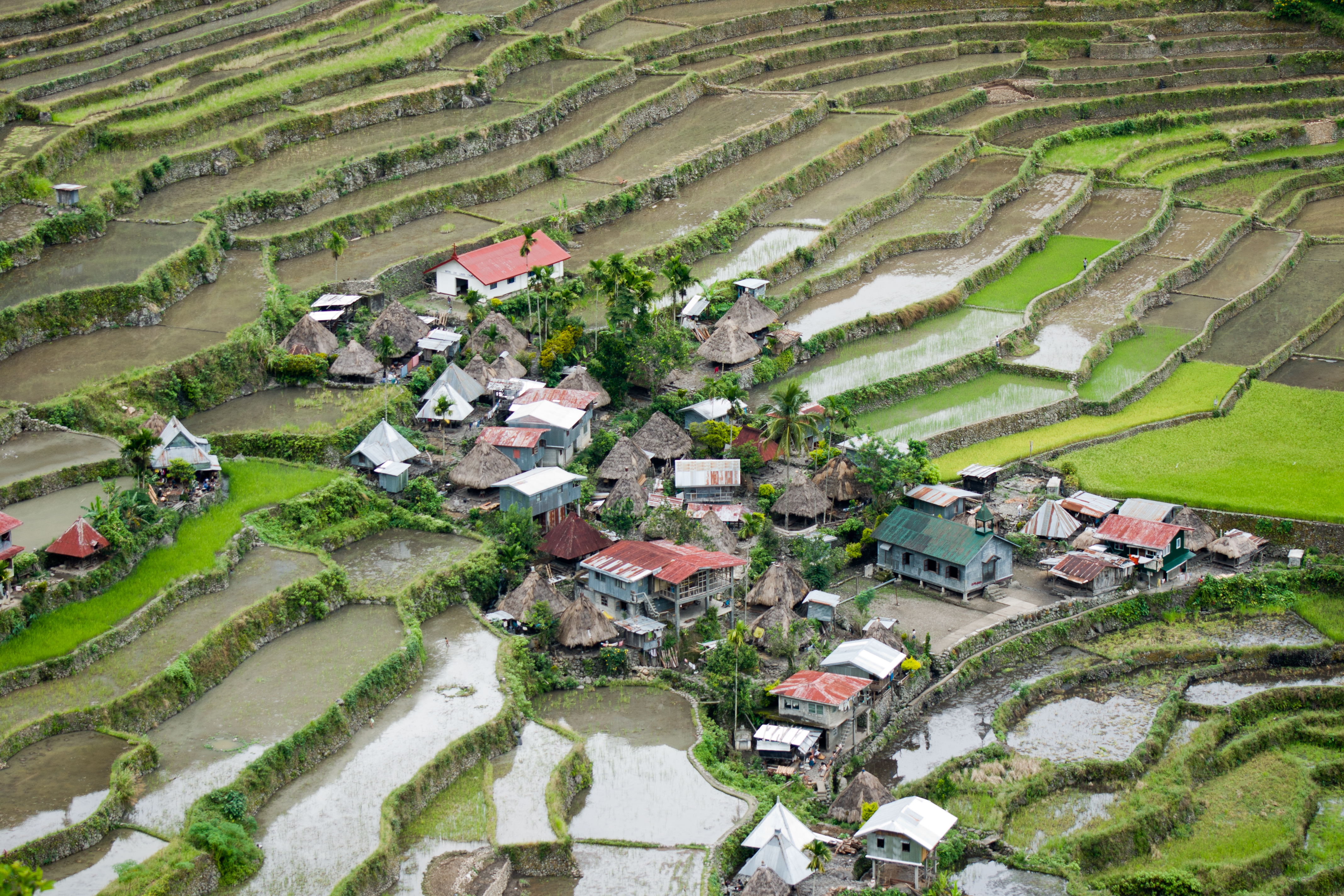
Intramuros, museums, food, rice terraces, mountain towns, colonial history, and a culture-heavy contrast to the islands.
Official or credited source ↗December-April is the strongest broad Philippines window for beaches, diving, ferries, and island hopping.
January is one of the strongest months for island hopping, beaches, diving, Palawan, Boracay, Cebu, Bohol, and cooler city days, with high demand on popular routes.
Sinulog celebrates the Santo Niño with colourful dance performances, religious processions and major festivities throughout Cebu City.
The MassKara Festival fills Bacolod with smiling masks, colourful street dancing, music and cultural celebrations.
See the seasonal pattern month by month.
A wider view of how this destination matches different travel styles.
The Philippines has hostels, island routes, ferries, beach towns, surf hubs, waterfalls, diving, and social backpacker circuits, though transfers take planning.
Manila, Cebu, Siargao, Boracay, Bohol, and Dumaguete can work for remote stays, but internet, power, storms, visas, and island logistics vary.
Local food, hostels, buses, and some ferries are affordable, but flights, island hopping, diving, resort areas, and weather delays can raise costs.
Official guidance is Level 2 overall with Level 4 no-travel zones in the Sulu Archipelago, southern Sulu Sea, and Marawi City; crime, terrorism, kidnapping, typhoons, and transport risk need planning.
Manila, Cebu, Boracay, Siargao, El Nido, and beach towns offer strong nightlife and social scenes, with transport and drink-safety awareness needed.
Palawan lagoons, reefs, volcanoes, rice terraces, waterfalls, surf, caves, mountains, whale sharks, and thousands of islands make nature a primary draw.
Boracay, Palawan, Cebu, Bohol, Siargao, Camiguin, and countless islands make the Philippines one of Asia's strongest beach countries.
Scenic drives exist on some islands and Luzon routes, but ferries, traffic, road quality, storms, and fragmented geography make this more of a flight-and-ferry destination.
English is widely useful and tourism is friendly, but island logistics, typhoons, transfers, scams, safety zones, and healthcare gaps add friction.
Hostels, dive boats, surf camps, island-hopping tours, nightlife, coworking, beach towns, and English use make the Philippines highly social.
English is easy for most travel basics; local accents or creoles may still take adjustment.
English ease 4/5
Learn English for your trip →The U.S. State Department lists the Philippines at Level 2 due to crime, terrorism, civil unrest, and kidnapping, with some areas at higher risk.
Read more →Philippines entry rules depend on nationality. Many tourists, including U.S. travelers, can enter visa-free for stays under 30 days, while others need a visa; check passport validity, onward/return ticket, eTravel registration, yellow-fever rules, and extension options before departure.
Read more →Philippines entry rules depend on nationality. Many tourists, including U.S. travelers, can enter visa-free for stays under 30 days, while others need a visa; check passport validity, onward/return ticket, eTravel registration, yellow-fever rules, and extension options before departure.
Transport, language, entry, and safety are the details that shape how this trip feels day to day.
A short list of the most useful official, climate, tourism, and route references behind this guide.
4 source groupsTrip Planner & Map
Transport, language, entry, and safety are the details that shape how this trip feels day to day.
