Poland
← Back to destinations

Poland

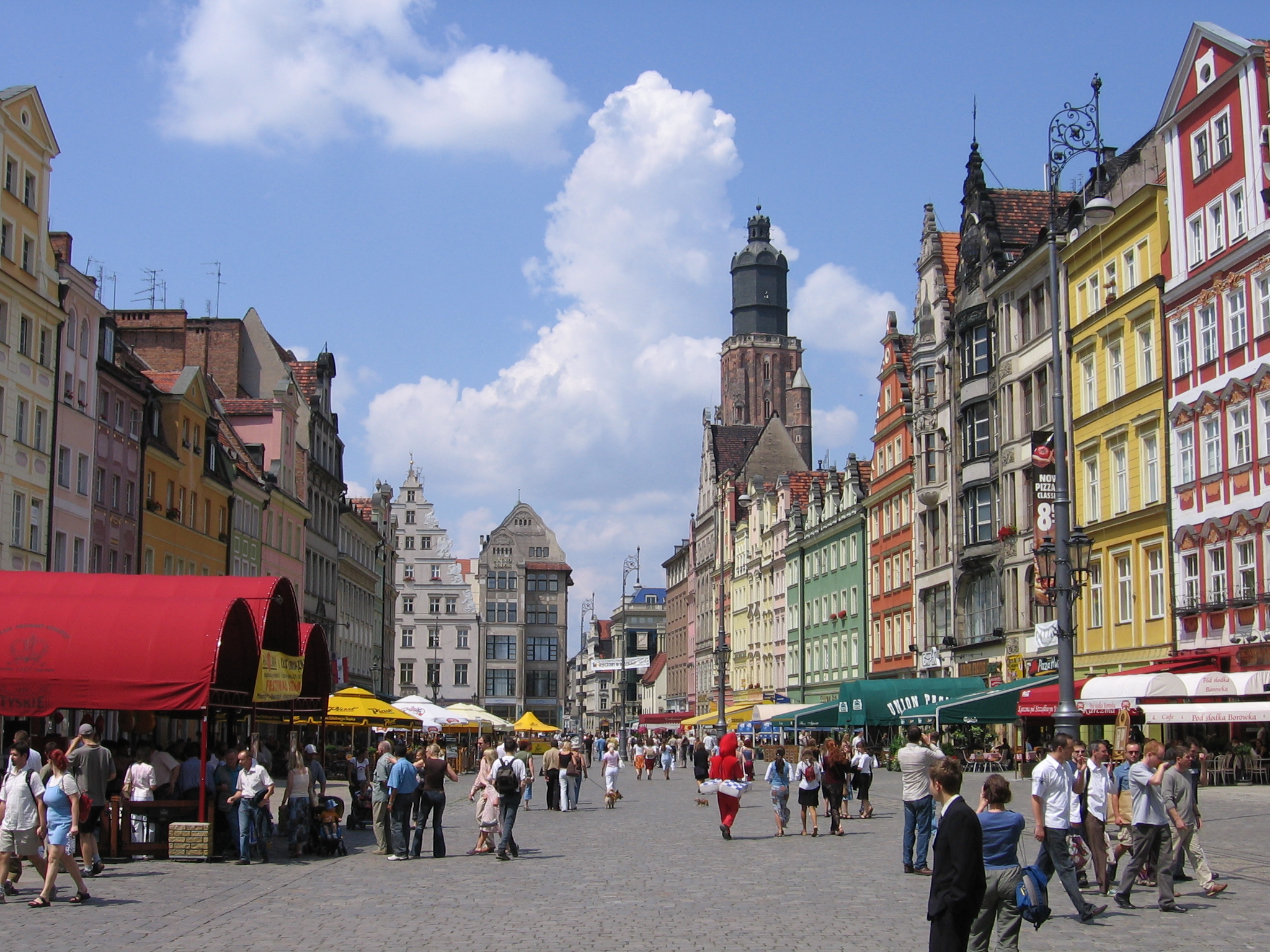
Poland is a value-rich Central European trip built around Krakow, Warsaw, Gdansk, Wroclaw, historic sites, food, nightlife, rail loops, mountains, forests, and Baltic coast. It works well for city breaks, backpacking, history trips, and longer overland routes.

CitiesHistoryValueMountains

What this trip is really like

Poland is a value-rich Central European trip built around Krakow, Warsaw, Gdansk, Wroclaw, historic sites, food, nightlife, rail loops, mountains, forests, and Baltic coast. It works well for city breaks, backpacking, history trips, and longer overland routes.

Capital
Warsaw
Population
37.6 million
Language
Polish
Currency
Polish złoty Currency converter ↗
Timezone
UTC+01:00, UTC+02:00
Ideal trip length
Depends on the route
Emergency
police: 997, medical: 999, fire: 998

A good fit if you…

Backpacking
Digital nomad
Budget
Safety
Nightlife
Nature
Road trip
Beginner-friendly
Social

Getting around

Transport, language, entry, and safety are the details that shape how this trip feels day to day.

Getting around

Trains and buses connect major cities well, with Warsaw, Krakow, Gdansk, Wroclaw, Poznan, and Katowice forming useful rail anchors. A car helps for mountains, lakes, forests, castles, villages, and Baltic coast loops, while winter roads and parking need planning.

Language

English is workable in major cities, hotels, and tourist areas, but Polish basics help outside the main visitor route.

English ease 3/5

Visa

Poland is in the Schengen area. Visa-exempt non-EU travelers can usually stay up to 90 days in any 180-day Schengen period; other travelers need a Schengen visa. Longer stays, work, or study require the correct Polish national visa or residence permit.

Safety & health

Current U.S. guidance is Level 1: exercise normal precautions.

Normal precautions

Explore destination

These are the places that most strongly shape a first trip through Poland.

Best time, month by month

May-June and September are the easiest broad Poland windows for city loops, food, history, parks, and rail travel. July-August are best for the Baltic coast, lakes, festivals, and mountain hiking but busier.

ExcellentGoodOkayLess ideal

September · Excellent

Shoulder

September is excellent for city breaks, food, history routes, early autumn color, and calmer travel after school holidays, while the Baltic beach season starts fading.

Climate at a glance

See the seasonal pattern month by month.

Temperature

1 °C-4 °CJan
2 °C-4 °CFeb
8 °C-1 °CMar
15 °C4 °CApr
20 °C9 °CMay
24 °C13 °CJun
25 °C14 °CJul
25 °C14 °CAug
19 °C9 °CSep
13 °C5 °COct
8 °C3 °CNov
3 °C-2 °CDec

Precipitation

33 mmJan
25 mmFeb
28 mmMar
35 mmApr
68 mmMay
59 mmJun
83 mmJul
56 mmAug
48 mmSep
39 mmOct
39 mmNov
37 mmDec

Climate source →

Full Travel Fit

A wider view of how this destination matches different travel styles.

Backpacking4/5

Poland is strong for backpacking through hostels, trains, buses, food value, Krakow, Warsaw, Gdansk, Wroclaw, and easy links to Czechia, Germany, Slovakia, and the Baltics.

Digital nomad4/5

Warsaw, Krakow, Wroclaw, Gdansk, Poznan, and Lodz offer good connectivity, cafes, coworking, and value compared with western Europe. Schengen limits and winter darkness are the main constraints.

Budget4/5

Poland remains good value for food, public transport, hostels, museums, and regional rail compared with much of western Europe, though peak Krakow, Gdansk summer, and mountain dates cost more.

Safety5/5

Poland is a Level 1 normal-precautions destination. Petty theft, nightlife judgment, winter ice, mountain weather, road safety, and event crowds are the main practical visitor issues.

Nightlife4/5

Krakow, Warsaw, Wroclaw, Gdansk, Poznan, and student cities offer strong bars, clubs, live music, food halls, and late-night energy.

Nature4/5

Poland has strong nature variety: Tatras, Bialowieza Forest, Masurian Lakes, Baltic coast, Karkonosze, Bieszczady, forests, rivers, and cycling routes.

Beach2/5

Poland has Baltic beach and resort value in summer, especially around Gdansk, Sopot, Hel, and the coast, but cool water and short season keep it secondary.

Road trip4/5

Road trips work for the Baltic coast, Masurian Lakes, Tatras, Bialowieza, castles, and smaller towns, while trains are easier for the big city triangle and cross-border routes.

Beginner-friendly4/5

Good transport, strong value, safe cities, clear tourism routes, and workable English in visitor areas make Poland approachable, though language and station logistics can be harder outside major cities.

Social4/5

Hostels, walking tours, nightlife, food tours, student cities, festivals, and rail loops make Poland social, especially in Krakow, Warsaw, Wroclaw, and Gdansk.


A few words go a long way

English is workable in major cities, hotels, and tourist areas, but Polish basics help outside the main visitor route.

English ease 3/5

Learn Polish for your trip →

Safety & health

Current U.S. guidance is Level 1: exercise normal precautions.

Read more →

On the route

  • Keep bags and phones secure around Warsaw, Krakow, Gdansk, Wroclaw, public transport, train stations, and late-night areas.
  • Use care around demonstrations, football crowds, nightlife, taxis, and border-region logistics if regional tensions affect routes.
  • Dial 112 for emergencies.

Health

  • Tap water is generally safe in cities and larger towns, and healthcare is good in major urban areas.
  • Travel insurance matters for visitors, especially for mountain, winter, and rural routes.
  • Ticks can be a concern after forest or mountain time; winter ice and summer heat can affect walking and transport plans.

Check the entry context for your passport

Poland is in the Schengen area. Visa-exempt non-EU travelers can usually stay up to 90 days in any 180-day Schengen period; other travelers need a Schengen visa. Longer stays, work, or study require the correct Polish national visa or residence permit.

Read more →

Poland is in the Schengen area. Visa-exempt non-EU travelers can usually stay up to 90 days in any 180-day Schengen period; other travelers need a Schengen visa. Longer stays, work, or study require the correct Polish national visa or residence permit.

Keep the details current

A short list of the most useful official, climate, tourism, and route references behind this guide.

5 source groups
View all sources

Open plan: Open the app

Transport, language, entry, and safety are the details that shape how this trip feels day to day.