Hostels, buses, rideshare, and affordable local food work well around San Juan, but the best beaches, rainforest, and west-coast routes usually need a rental car, tour, or extra logistics.
San Juan and other established hubs offer U.S.-standard services, broad connectivity, cafés, and long-stay housing; hurricane disruption, heat, and higher living costs still matter.
Local food and public transit can be reasonable, but accommodation, rental cars, ferries, and high-season demand make a full-island trip more expensive than a simple beach stay.
Most visitor routes are manageable with normal precautions, but theft, traffic, rip currents, tropical weather, flash flooding, and heat mean safety depends on the area and activity.
San Juan, Condado, Santurce, Ponce, and west-coast towns offer strong evening choices from live music and dancing to restaurants and bars, with a quieter pace outside visitor hubs.
El Yunque, central mountain forests, bioluminescent bays, wildlife refuges, caves, reefs, waterfalls, and varied coastlines give Puerto Rico an unusually rich outdoor profile.
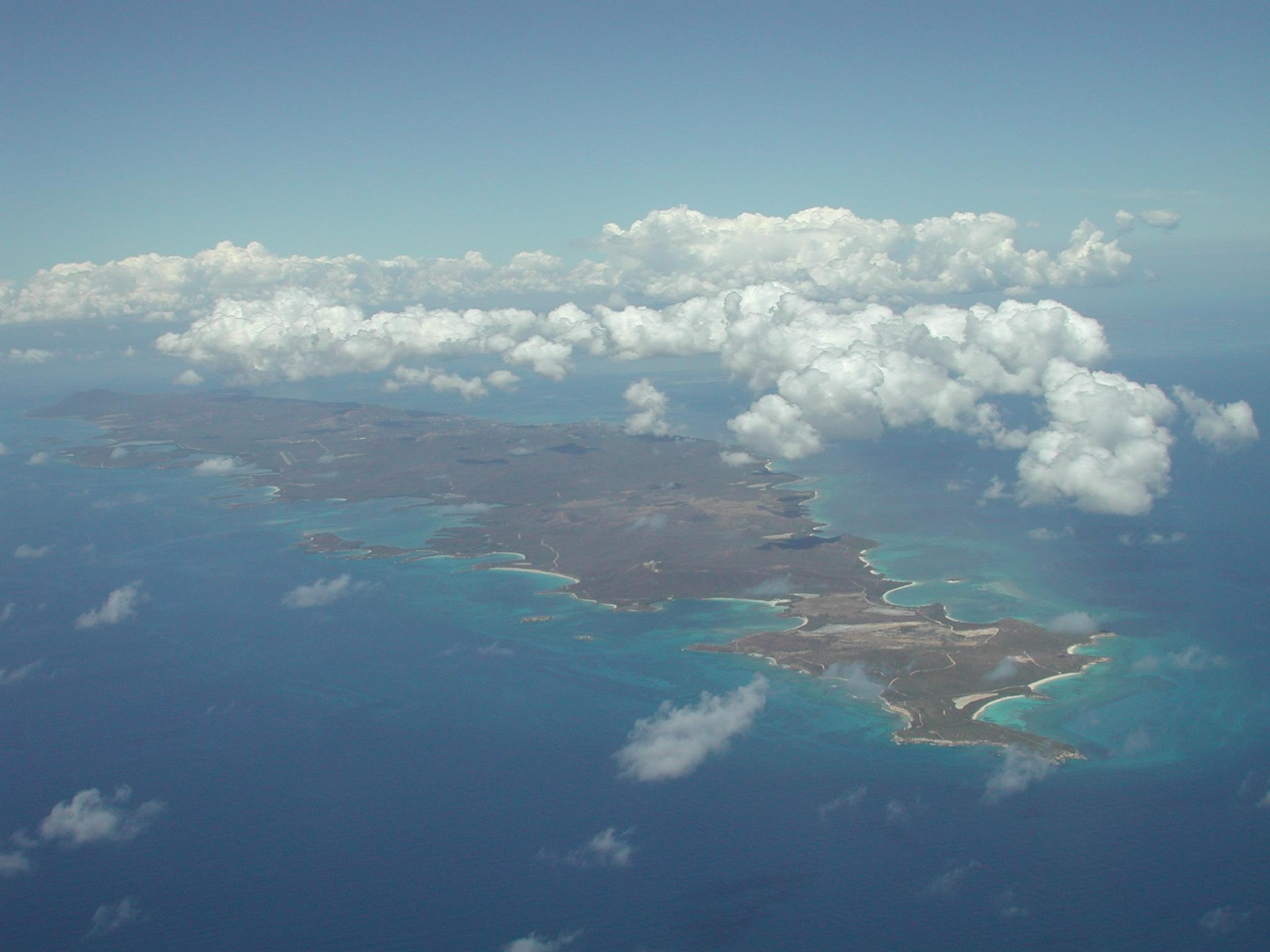
Puerto Rico has beaches across the main island and offshore islands, from calm snorkeling coves to surf beaches and protected wildlife-refuge shores; conditions vary by coast and season.
Rental cars make the rainforest, mountains, south coast, west coast, and ferry terminals much easier to combine, although San Juan traffic, narrow rural roads, weather, and parking add friction.
U.S.-linked entry, English access, familiar infrastructure, 911, strong tourism services, and easy San Juan bases make Puerto Rico approachable; Spanish, traffic, weather, and driving outside the metro still require preparation.
Puerto Rico’s music, food, festivals, nightlife, surf towns, and welcoming local culture create many natural ways to meet people beyond a resort-only trip.