Réunion works for active travelers who combine buses, rental cars, and guesthouses, but remote cirques, early trailheads, and French-island prices make careful planning important.
Towns have French infrastructure and connectivity, especially around Saint-Denis and Saint-Pierre, but remote hikes, car needs, and overseas-entry rules limit a seamless work base.
Accommodation, car hire, fuel, and some food cost like France on an island. Markets, self-catering, and local buses can reduce spending, but a low-cost trip still needs careful planning.
Public services are strong, but volcanoes, cyclones, flash floods, rockfall, rough seas, and demanding trails mean conditions can change quickly.
Saint-Denis, Saint-Pierre, and Saint-Gilles have bars, live music, and evening restaurants, but nightlife is dispersed and quieter than in a dedicated party destination.
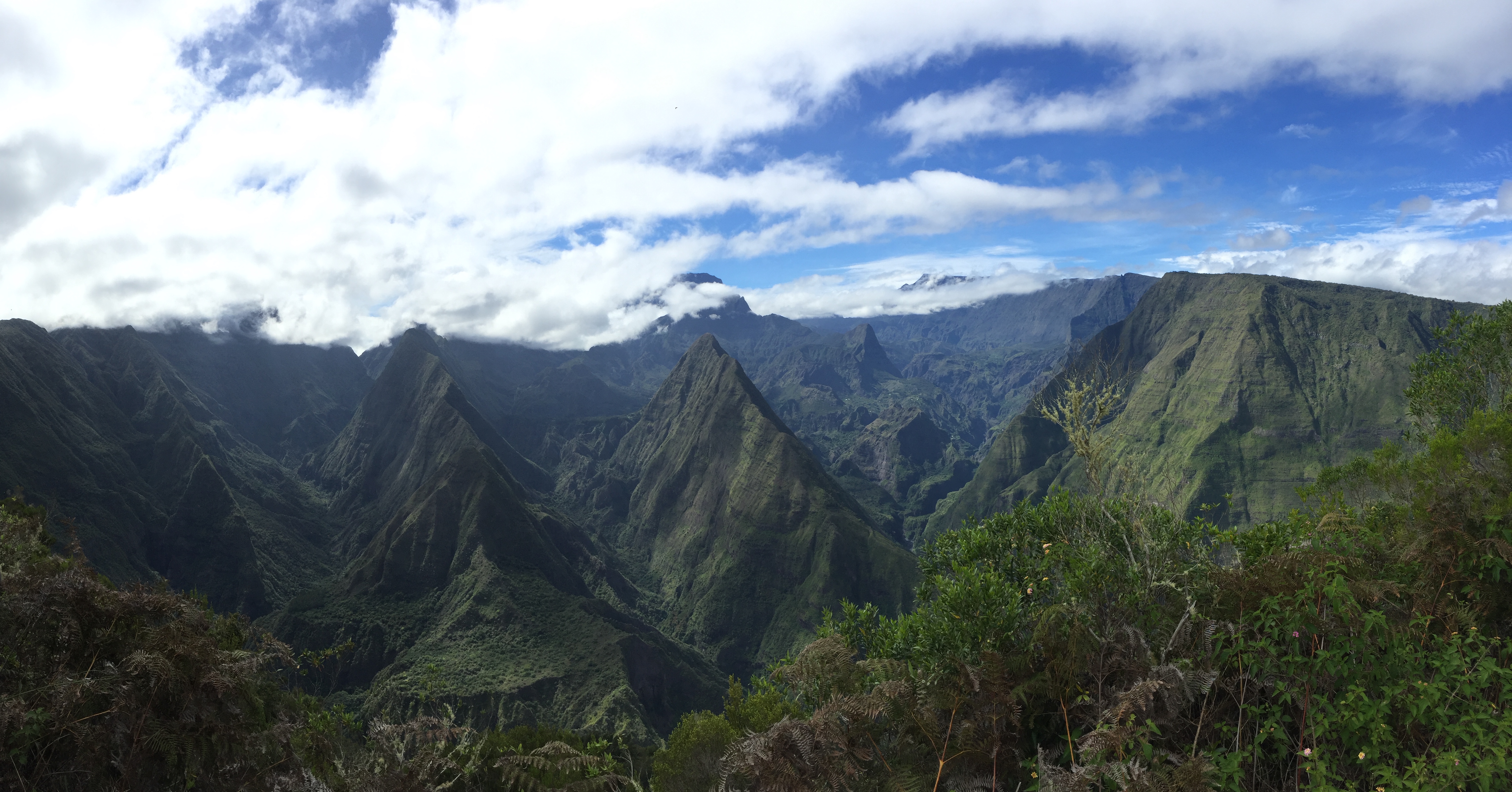
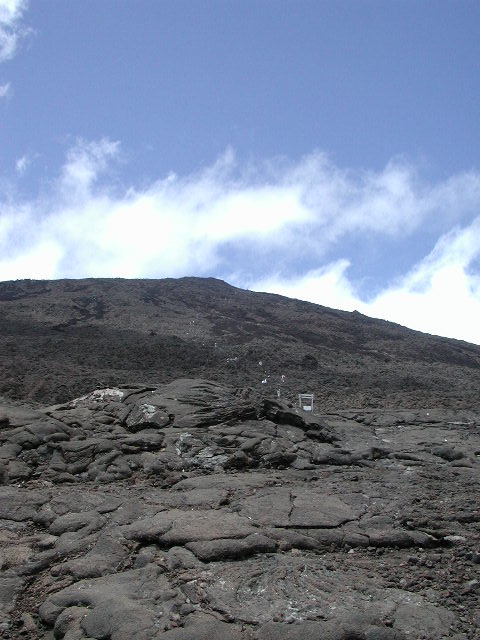
UNESCO-listed cirques, ramparts, forests, lava fields, waterfalls, marine habitats, and sharp altitude changes make nature the defining reason to visit.
The west-coast lagoons provide attractive swimming and snorkeling, but shark risk, surf, currents, reef rules, and rougher coasts mean beach time is concentrated in approved areas.
A rental car gives access to coast roads, cirques, highland viewpoints, and lava fields; winding mountain routes, traffic, weather, and closures require flexible driving days.
French infrastructure and marked trails make a first island trip manageable, but altitude, fast weather changes, volcanic restrictions, and strenuous hikes reward preparation or a guide.
Creole food, music, markets, and busy coastal towns make it easy to meet people in visitor hubs; remote mountain villages are quieter and more self-contained.