The island is easy to navigate but expensive, car-oriented, and built around villas and hotels rather than backpacker accommodation. A short active trip is possible with careful advance planning.
English-friendly visitor services and French infrastructure help, but high accommodation costs, limited space, and passport-dependent overseas rules make long-term remote work difficult to arrange.
Saint Barthélemy is one of the Caribbean’s higher-cost destinations: accommodation, dining, car hire, and imported goods can quickly exceed a typical island budget. Traveling outside peak season and self-catering help, but value is limited.
Crime is generally low and French public services are available, but hurricanes, rough seas, heat, and narrow hilly roads still require normal travel precautions.
Gustavia and Saint-Jean offer polished restaurants, cocktail bars, beach clubs, live music, and seasonal events, but the island is more about dining and social evenings than a dense club scene.
Protected bays, a 1,200-hectare marine reserve, offshore islets, turtles, iguanas, and coastal walks give Saint Barthélemy a strong nature profile despite its small, developed footprint.
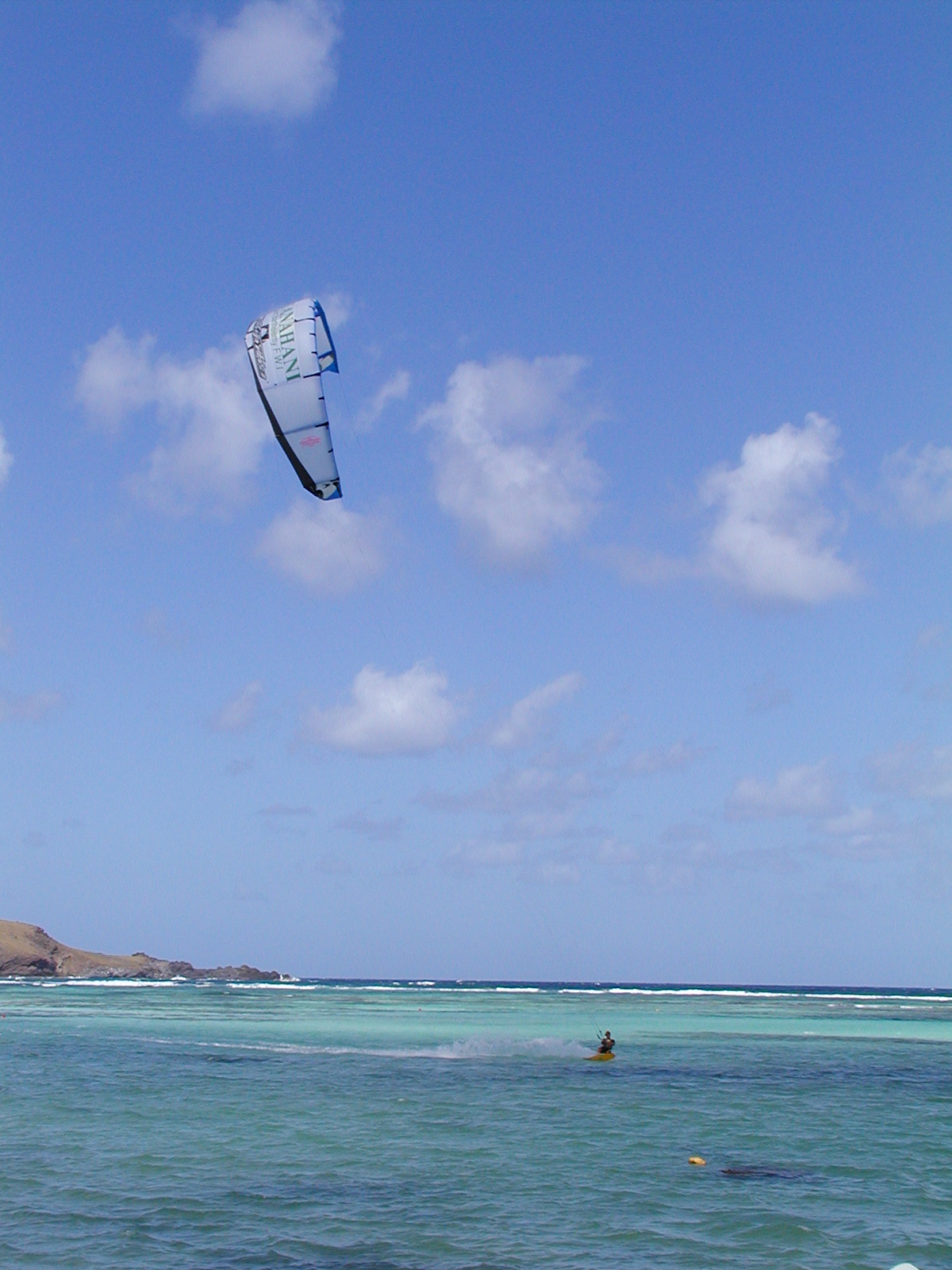
Beach time is the island’s signature experience, from Saint-Jean and Flamands to Gouverneur, Saline, Colombier, and shallow Grand Cul-de-Sac, with conditions varying by wind and swell.
A rental car makes it practical to connect beaches, villages, viewpoints, restaurants, and the airport in a compact itinerary; steep, narrow, winding roads demand patience and careful driving.
English-friendly tourism and French services make a short stay approachable, but high prices, short-runway connections, narrow roads, weather disruptions, and limited specialist care reward preparation.
Gustavia, Saint-Jean, and the marina bring together local life, international visitors, sailing crews, restaurants, music, and seasonal events, while quieter beaches remain more private.





.jpg)
