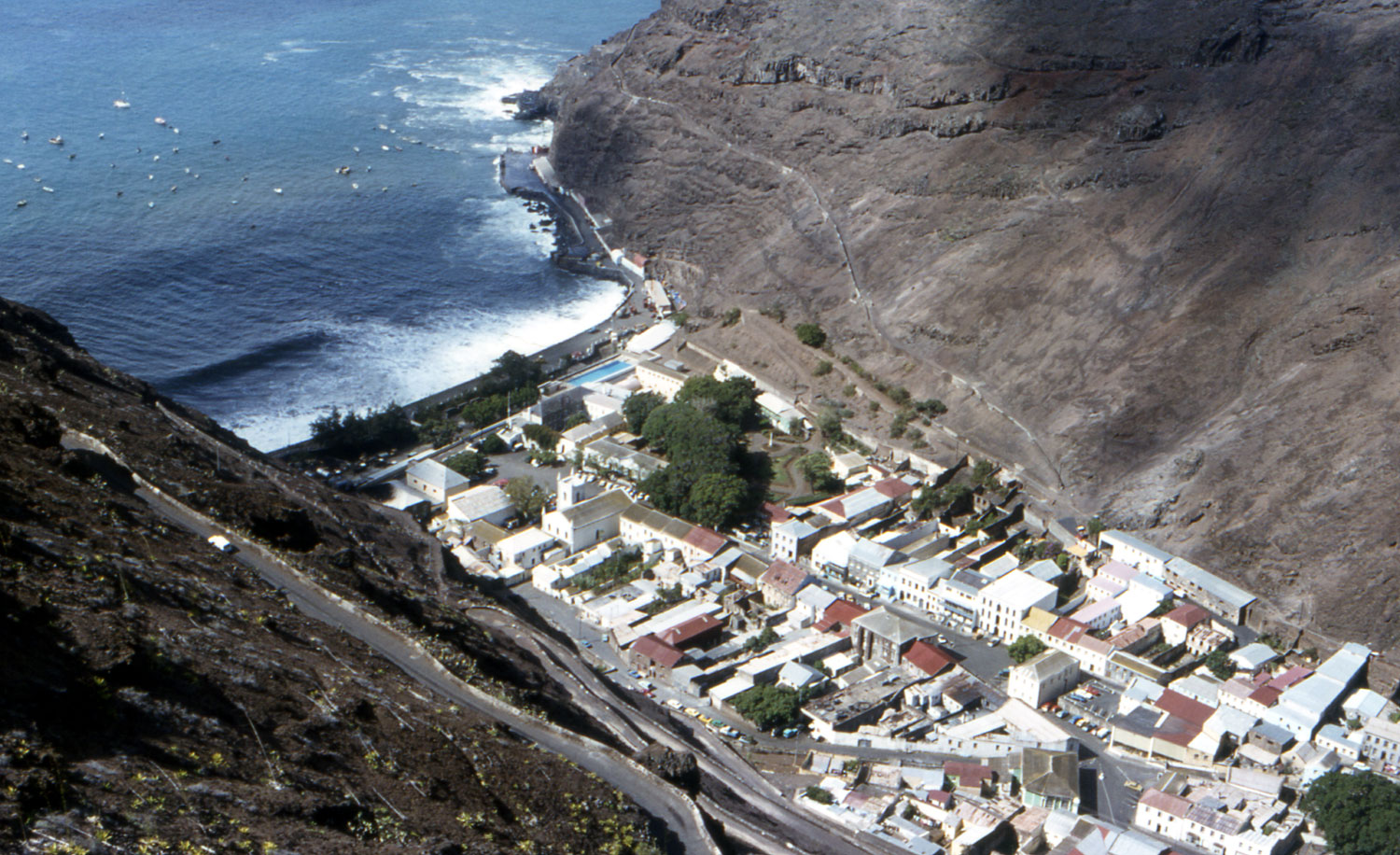
Independent travel is possible on St Helena and Ascension with advance planning, but flights are limited and Tristan is reached only by ship with permission, accommodation, and a return berth. This is remote exploration rather than spontaneous backpacking.
Limited accommodation, connectivity, transport, and island-specific permissions make long-term remote work impractical for most visitors; confirm a specific host and entry route before considering it.
Flights, ship berths, permits, insurance, and imported supplies make this a high-cost destination, while limited card and ATM access adds planning friction. Early booking and arranged meals matter more than flexible budget travel.
Crime is generally low, but remoteness, rough seas, restricted areas, narrow roads, and limited medical evacuation make preparation and local guidance important.
Evenings centre on a small number of pubs, cafés, and community events rather than a nightlife district; options vary by island and may be quiet outside scheduled local gatherings.
Endemic plants, seabirds, turtles, volcanic landscapes, marine life, and the Peaks of St Helena make nature the territory’s strongest reason to visit, with access managed by island-specific rules and guides.
There are dramatic coasts, beaches, seabird sites, and marine activities, but strong currents, swells, cold water, and shark or landing hazards mean this is not a conventional beach-resort destination.
St Helena and Ascension support scenic driving with a hire car or local transport, but roads and services are limited; Tristan has no visitor road-trip network, so the territory cannot be treated as one car-based route.
Separate permits, scarce flights or ship berths, weather-dependent access, limited medical care, and island-specific transport make a first visit rewarding but demanding to organise.
Small communities, local guides, pubs, and shared tours can make visitors feel welcome, but capacity is low and social life is community-scale rather than built around large visitor venues.