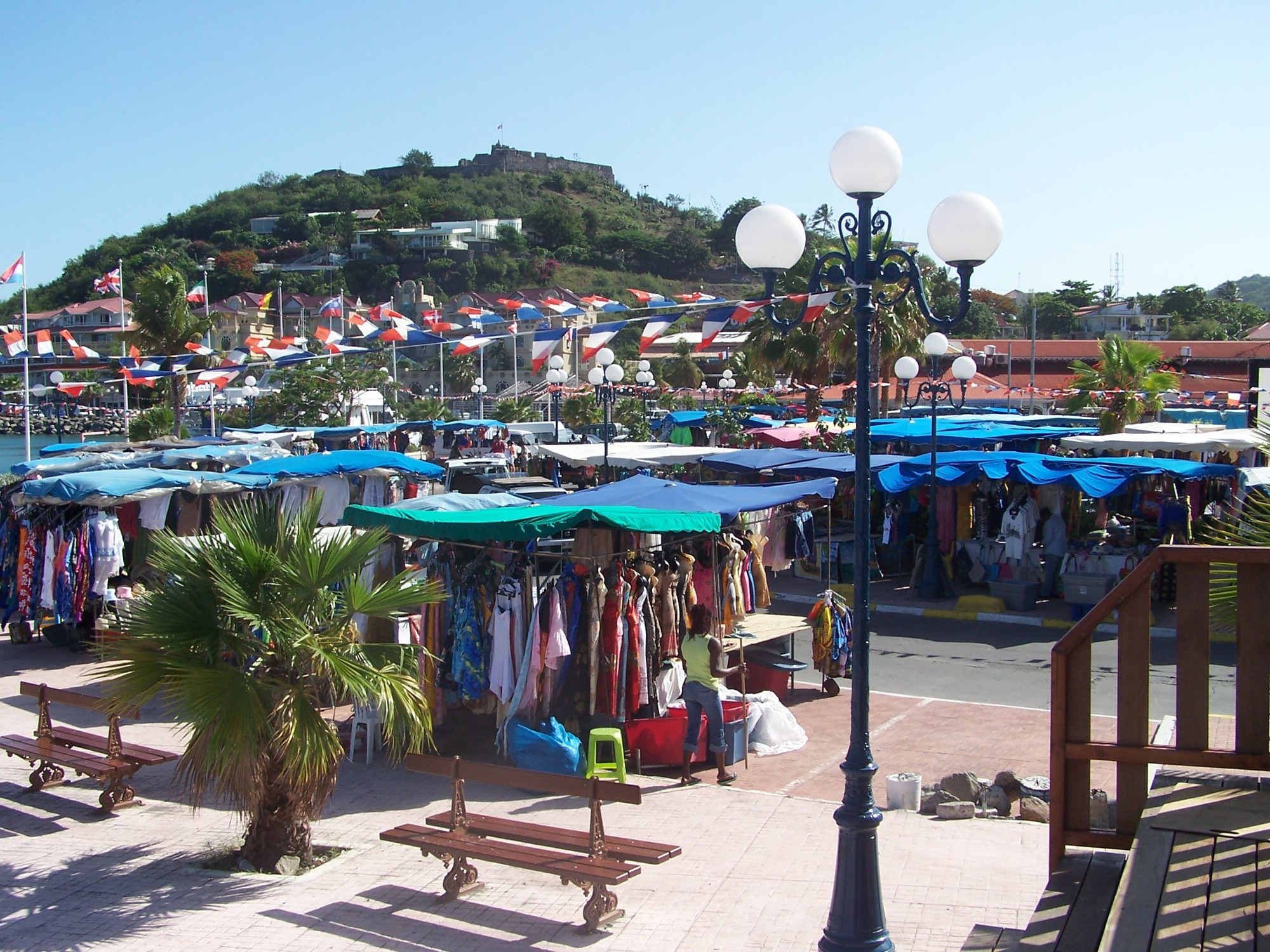
Saint Martin is compact and straightforward to sample by minibus, taxi, or rental car, but French-side lodging, restaurants, and transport are rarely backpacker-cheap. Plan around Marigot or Grand Case and allow for traffic.
French-side connectivity and cafés can support short remote-work stays around Marigot or Grand Case, but accommodation costs, island bandwidth or power variability, and passport or work rules make it a moderate rather than effortless base.
Local markets, bakeries, minibuses, and self-catering can reduce costs, but euro pricing, imported goods, car hire or taxis, and peak-season accommodation make the French side a relatively expensive Caribbean choice.
Low crime levels and French visitor infrastructure support a strong safety fit, but isolated beaches after dark, traffic and scooters, hurricanes, and sea conditions still call for normal precautions.
Grand Case and Marigot offer restaurants, beach bars, and relaxed evenings, while the Dutch side carries more of the island's casino and late-night scene; return transport needs planning.
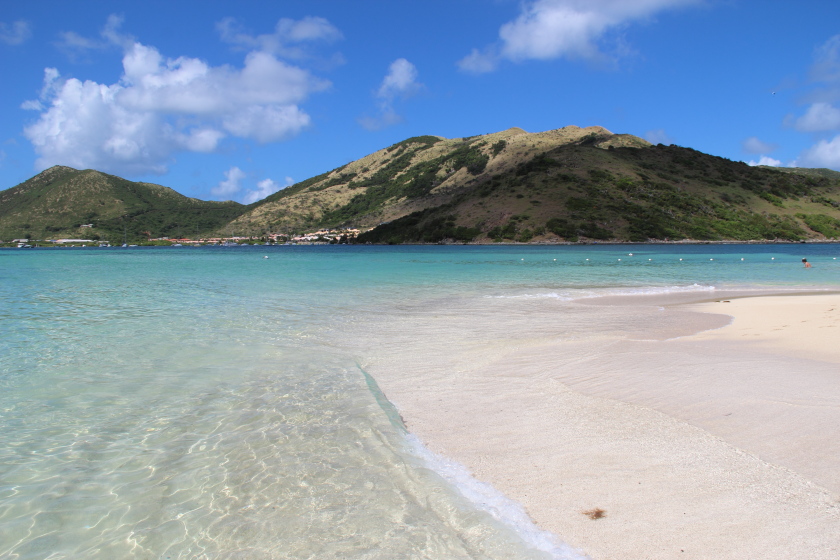
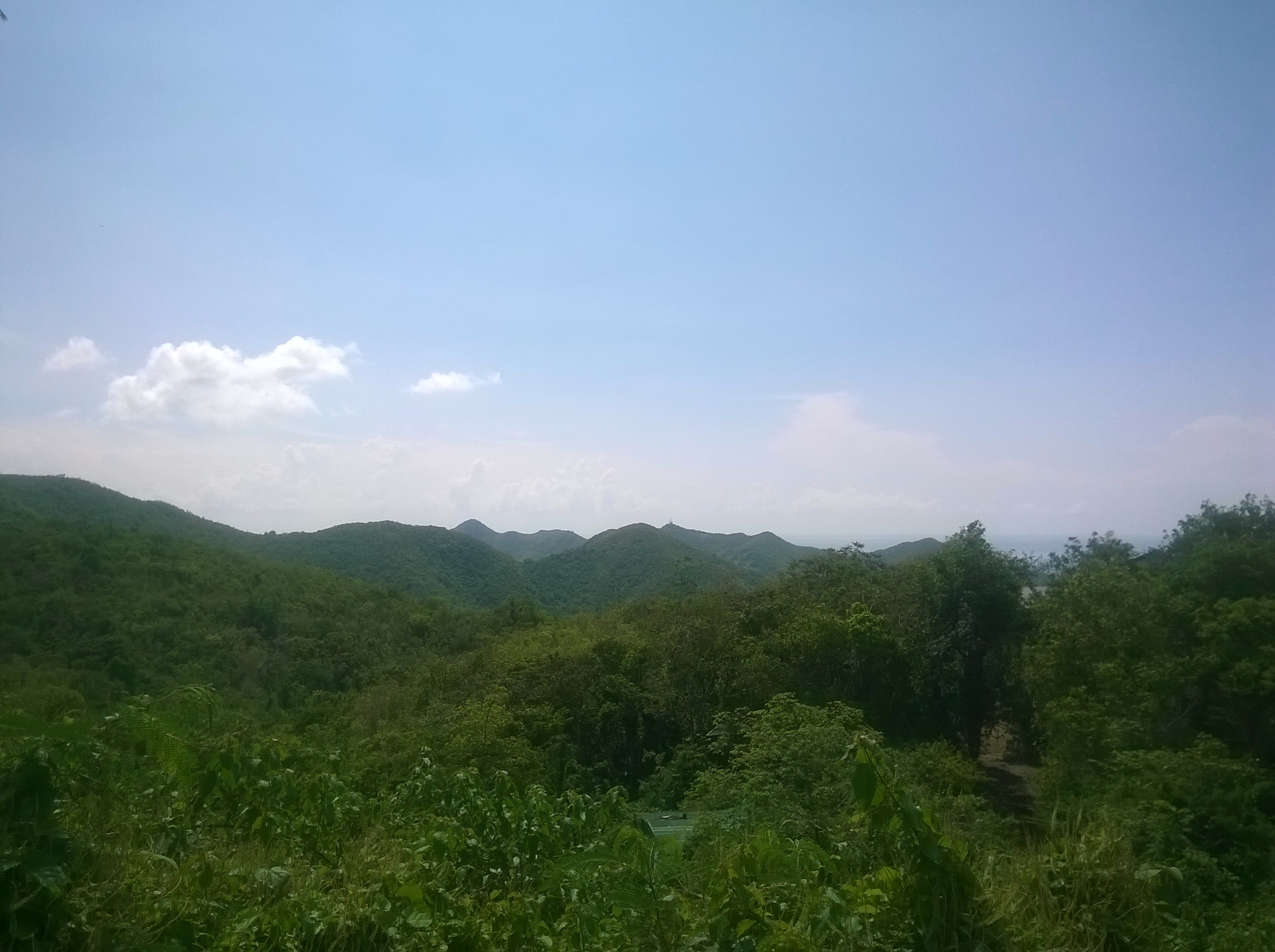
The national nature reserve protects reefs, mangroves, wetlands, and coastal forest, while Pic Paradis, Pinel, and Tintamarre add hiking and marine excursions.
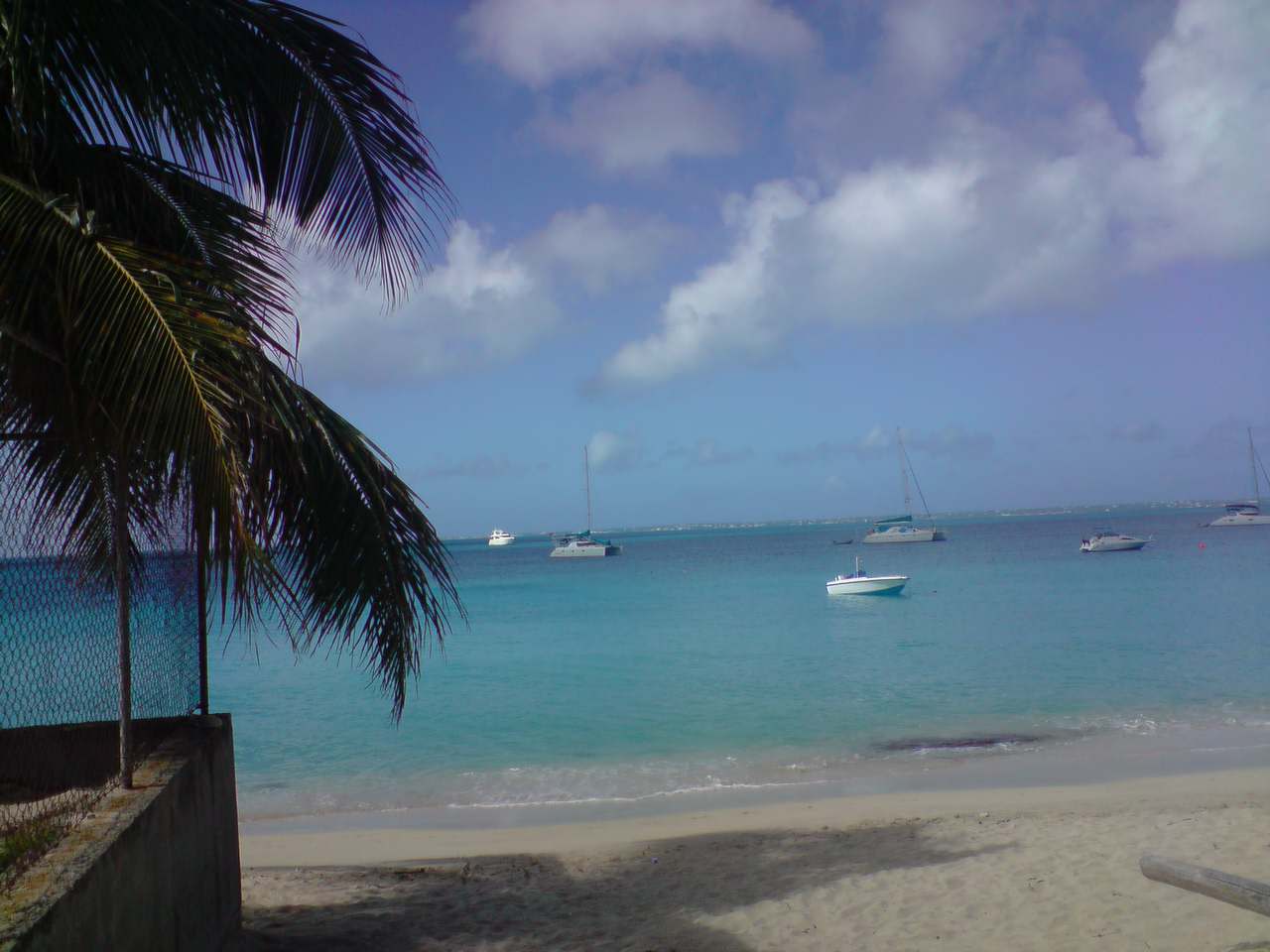
Beach choice is a major strength, from Grand Case and Orient Bay to Pinel and smaller coves; currents, sun, and storm conditions still vary by shore and season.
A compact road network links Marigot, Grand Case, Orient Bay, the French-Dutch border, and beachheads, making a rental car useful; congestion, scooters, narrow sections, and hurricane damage can slow short drives.
English works across visitor services, French infrastructure is familiar to many European travelers, and distances are short, but passport rules, euro costs, driving, and the shared-island itinerary add planning friction.
Marigot markets, Grand Case dining, boat trips, beach bars, and shared French-Dutch island routes create easy social opportunities without requiring a party-focused itinerary.