São Tomé & Príncipe
← Back to destinations

São Tomé & Príncipe

São Tomé and Príncipe is a tropical Gulf of Guinea archipelago of two main islands, known for volcanic peaks, rainforest, beaches, cocoa and coffee estates, and Portuguese-African heritage.

NatureBeachesWildlifeCulture

What this trip is really like

São Tomé and Príncipe is a tropical Gulf of Guinea archipelago of two main islands, known for volcanic peaks, rainforest, beaches, cocoa and coffee estates, and Portuguese-African heritage.

Capital
São Tomé
Population
209,607 residents (2024 provisional census, INE STP)
Language
Portuguese
Currency
São Tomé and Príncipe dobra Currency converter ↗
Timezone
Africa/Sao_Tome
Ideal trip length
Depends on the route
Emergency
police: 113, medical: 112, fire: 112

A good fit if you…

Nature
Beach

Getting around

Transport, language, entry, and safety are the details that shape how this trip feels day to day.

Getting around

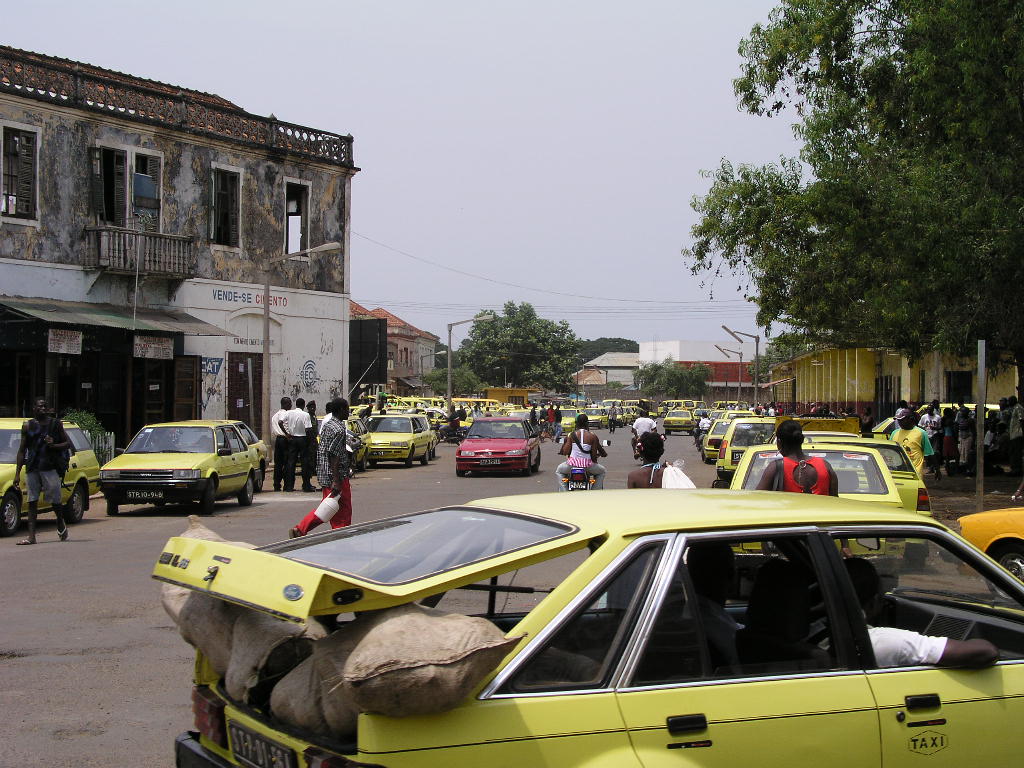
International access is by air, with São Tomé International Airport as the main gateway and regular links via Lisbon and regional African hubs. Príncipe is reached by small domestic flights, whose schedules and baggage rules need confirmation. On the islands, shared taxis are common, roads outside the capital can be poor or unlit, and heavy rain can trigger landslides, so daylight travel and a reputable driver are safer choices.

Language

Portuguese is the everyday language. English is most useful in larger hotels and organized tourism; outside those settings, a translation tool or Portuguese basics help.

English ease 2/5

Visa

Passport and trip purpose determine the entry route. Current UK and U.S. guidance says their nationals can visit for tourism for up to 15 days without a visa; the FCDO says the passport must be valid for the stay and a 20-euro arrival fee applies, while the U.S. page asks for six months validity beyond arrival. Longer stays, work, study, and other purposes use the official SMF eVisa or consular process, which asks for a passport scan, itinerary or accommodation details, return or onward ticket, and proof of funds. Yellow-fever proof is required when arriving from a transmission-risk country or transit route. Confirm the exact rule with SMF and the carrier.

Safety & health

The U.S. State Department currently rates São Tomé and Príncipe Level 3, Reconsider Travel, due to unrest and health risks. It warns that political unrest may develop with little notice and disrupt transport or essential services during the 2026 election cycle.

Reconsider travel

Explore destination

These are the places that most strongly shape a first trip through São Tomé & Príncipe.

Best time, month by month

Official tourism guidance describes June to September as the drier Gravana period for trails, December to February as a better window for beaches and calmer seas, and March to May plus October to November as wetter periods with fuller waterfalls.

ExcellentGoodOkayLess ideal

February · Excellent

High

February is one of the better months for beaches and calmer seas, although showers and island-level variation remain possible.

Climate at a glance

See the seasonal pattern month by month.

Temperature

29 °C22 °CJan
29 °C22 °CFeb
30 °C22 °CMar
30 °C22 °CApr
29 °C22 °CMay
27 °C21 °CJun
26 °C20 °CJul
27 °C20 °CAug
28 °C21 °CSep
28 °C21 °COct
28 °C22 °CNov
28 °C22 °CDec

Precipitation

205 mmJan
194 mmFeb
253 mmMar
241 mmApr
203 mmMay
48 mmJun
12 mmJul
28 mmAug
92 mmSep
215 mmOct
189 mmNov
194 mmDec

Climate source →

Full Travel Fit

A wider view of how this destination matches different travel styles.

Backpacking2/5

Independent travel is possible around São Tomé and Príncipe, but shared taxis, rough roads, limited cashless services, domestic-flight logistics, and the current safety advisory make flexible backpacking demanding.

Digital nomad2/5

A few hotels and city services can support short remote work, but connectivity, power, cash access, medical backup, and the limited visitor infrastructure make São Tomé and Príncipe a weak long-term base.

Budget2/5

Local meals and shared transport can be manageable, but international flights, the Príncipe connection, car or guide needs, cash planning, and limited accommodation supply make total trip costs difficult to keep low.

Safety1/5

The current U.S. State Department advisory is Level 3, Reconsider Travel, due to unrest and health risks; limited medical services, road hazards, and possible disruption make this unsuitable for carefree travel.

Nightlife2/5

São Tomé has the widest choice of restaurants, music, and evening venues, but nightlife is small-scale and current unrest, unreliable transport, and limited services argue against late independent movement.

Nature5/5

Volcanic peaks, Obo rainforest, waterfalls, endemic wildlife, cocoa estates, and the preserved landscapes of Príncipe make nature the archipelago's strongest travel fit.

Beach4/5

The islands offer quiet beaches, clear water, natural pools, and equatorial coastal scenery, but remote access, rough sea conditions, limited rescue services, and weather variability require care.

Road trip2/5

A car and local driver can open up São Tomé's plantations and southern landscapes, but poor or unlit roads, animals, rain-related landslides, and limited roadside support make self-driving a demanding choice.

Beginner-friendly1/5

Portuguese-language services, cash dependence, limited medical care, rough transport, mosquito and malaria precautions, domestic-flight planning, and the current Level 3 advisory require more preparation than a beginner trip.

Social3/5

São Tomé's markets, restaurants, music, and community events offer genuine local contact, while Príncipe has a quieter, close-knit visitor scene; options remain limited outside the main towns.


A few words go a long way

Portuguese is the everyday language. English is most useful in larger hotels and organized tourism; outside those settings, a translation tool or Portuguese basics help.

English ease 2/5

Learn Portuguese for your trip →
Onde fica a estação?Where is the station?

Safety & health

The U.S. State Department currently rates São Tomé and Príncipe Level 3, Reconsider Travel, due to unrest and health risks. It warns that political unrest may develop with little notice and disrupt transport or essential services during the 2026 election cycle.

Read more →

On the route

  • Avoid demonstrations, political gatherings, and crowds; monitor local media and be ready to change plans if roads or services are disrupted.
  • Keep passports, cash, and electronics secure, avoid displaying expensive items, and do not take valuables to remote beaches.
  • Many roads are poor and unlit outside the capital; animals, potholes, heavy rain, and landslides make night driving especially risky. Shared taxis and motorbike taxis are common but may be in poor condition.

Health

  • Carry insurance that covers treatment and medical evacuation. Medical facilities are limited, trauma and ambulance services may be inadequate, and serious cases can require evacuation to another country.
  • TravelHealthPro identifies a high malaria risk; discuss antimalarial options with a clinician and use mosquito repellent, covered clothing, and screened or netted accommodation.
  • Yellow-fever certification is required for travelers arriving from a transmission-risk country or qualifying transit; check current health requirements and bring enough prescription medicine and accessible funds.

Vaccinations

Required or conditional: Yellow-fever certificate when arriving from a transmission-risk country or qualifying transit

Recommended: Consult a travel-health clinician about malaria prevention, hepatitis A, typhoid, routine vaccines, and itinerary-specific protection

Check the entry context for your passport

Passport and trip purpose determine the entry route. Current UK and U.S. guidance says their nationals can visit for tourism for up to 15 days without a visa; the FCDO says the passport must be valid for the stay and a 20-euro arrival fee applies, while the U.S. page asks for six months validity beyond arrival. Longer stays, work, study, and other purposes use the official SMF eVisa or consular process, which asks for a passport scan, itinerary or accommodation details, return or onward ticket, and proof of funds. Yellow-fever proof is required when arriving from a transmission-risk country or transit route. Confirm the exact rule with SMF and the carrier.

Read more →

Passport and trip purpose determine the entry route. Current UK and U.S. guidance says their nationals can visit for tourism for up to 15 days without a visa; the FCDO says the passport must be valid for the stay and a 20-euro arrival fee applies, while the U.S. page asks for six months validity beyond arrival. Longer stays, work, study, and other purposes use the official SMF eVisa or consular process, which asks for a passport scan, itinerary or accommodation details, return or onward ticket, and proof of funds. Yellow-fever proof is required when arriving from a transmission-risk country or transit route. Confirm the exact rule with SMF and the carrier.

Keep the details current

A short list of the most useful official, climate, tourism, and route references behind this guide.

6 source groups
View all sources

Open plan: Open the app

Transport, language, entry, and safety are the details that shape how this trip feels day to day.