Slovakia
← Back to destinations

Slovakia

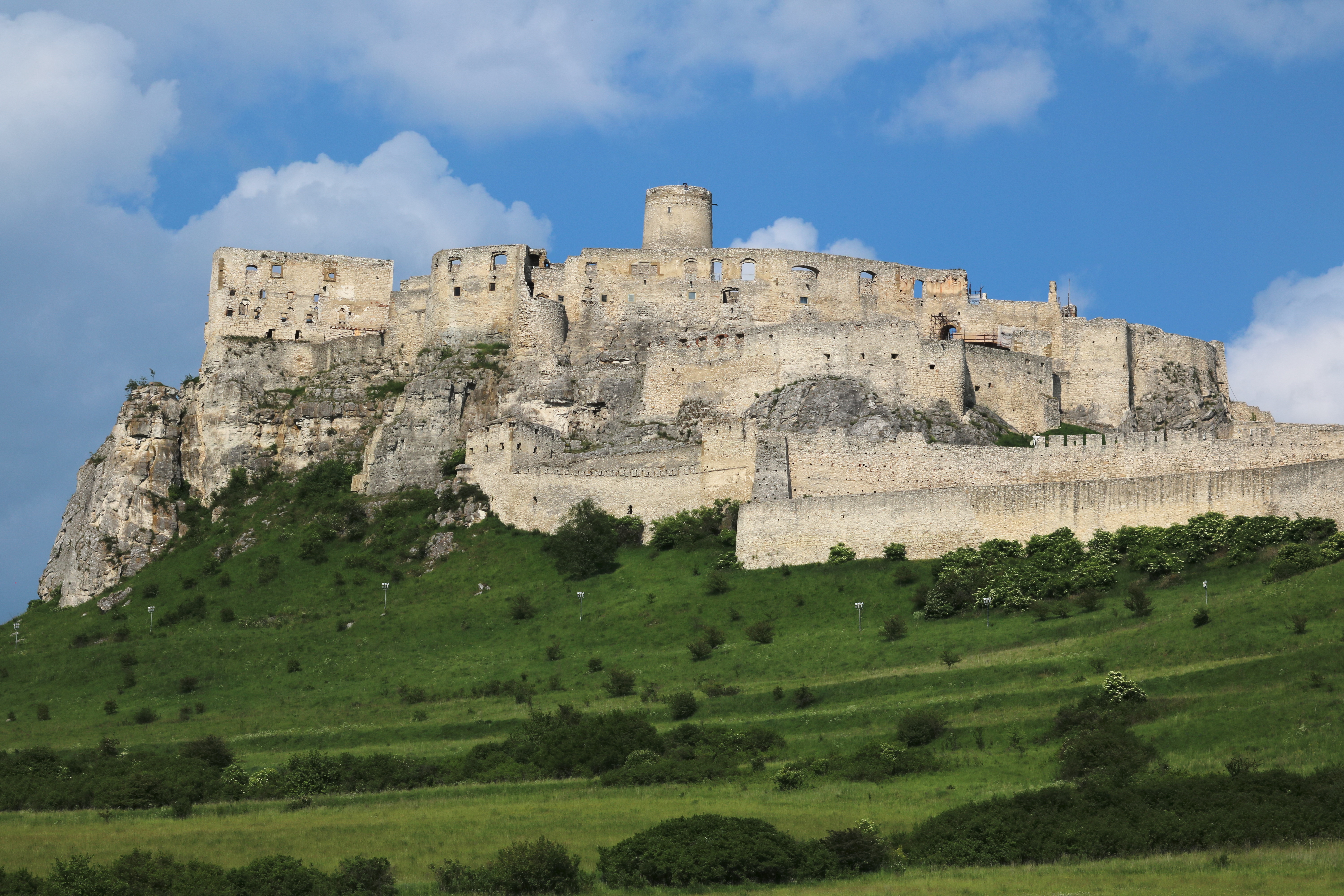
Slovakia is a compact Central European trip for Bratislava, the High Tatras, castles, caves, spa towns, mining towns, rail routes, hiking, winter resorts, and good-value food and stays. It is strongest when city time is paired with mountains or historic towns.

MountainsCastlesRail tripsSpas

What this trip is really like

Slovakia is a compact Central European trip for Bratislava, the High Tatras, castles, caves, spa towns, mining towns, rail routes, hiking, winter resorts, and good-value food and stays. It is strongest when city time is paired with mountains or historic towns.

Capital
Bratislava
Population
5.4 million
Language
Slovak
Timezone
Europe/Bratislava
Ideal trip length
Depends on the route
Emergency
police: 112, fire: 112, medical: 112

A good fit if you…

Backpacking
Budget
Safety
Nature
Road trip
Beginner-friendly

Getting around

Transport, language, entry, and safety are the details that shape how this trip feels day to day.

Getting around

Trains are useful for Bratislava, Trnava, Zilina, Poprad, the High Tatras corridor, and Kosice, while buses fill gaps to smaller towns, valleys, castles, and villages. A car helps for caves, UNESCO sites, spas, national parks, and road loops, especially outside the main rail spine.

Language

English is workable in major cities, hotels, and tourist areas, but Slovak basics help outside the main visitor route.

English ease 3/5

Visa

Slovakia is in the Schengen area. Visa-exempt non-EU travelers can usually stay up to 90 days in any 180-day Schengen period; travelers who require a visa need a Schengen visa, and stays over 90 days require the correct Slovak national visa or residence permit.

Safety & health

The U.S. State Department currently advises exercising normal precautions in Slovakia. Crime risk is low by regional standards, but pickpocketing, drink spiking, taxi or nightlife overcharging, car break-ins, and tourist-area scams can still affect visitors.

Normal precautions

Explore destination

These are the places that most strongly shape a first trip through Slovakia.

Best time, month by month

May-June and September are Slovakia's easiest broad windows for Bratislava, castles, caves, spas, rail routes, and High Tatras hiking. July-August suit peak mountain and family travel but are busier.

ExcellentGoodOkayLess ideal

September · Excellent

Shoulder

September is excellent for Tatras hiking, castles, wine harvests, Bratislava, and Kosice, with fewer school-holiday crowds and generally comfortable touring weather.

Climate at a glance

See the seasonal pattern month by month.

Temperature

3 °C-2 °CJan
5 °C-2 °CFeb
12 °C2 °CMar
18 °C6 °CApr
21 °C10 °CMay
26 °C14 °CJun
29 °C16 °CJul
28 °C15 °CAug
22 °C11 °CSep
16 °C6 °COct
10 °C3 °CNov
5 °C0 °CDec

Precipitation

47 mmJan
43 mmFeb
31 mmMar
39 mmApr
75 mmMay
69 mmJun
83 mmJul
72 mmAug
69 mmSep
52 mmOct
45 mmNov
37 mmDec

Climate source →

Full Travel Fit

A wider view of how this destination matches different travel styles.

Backpacking4/5

Slovakia is strong for backpackers who like compact cities, trains, buses, hostels, hikes, castles, and Central European overland routes. Mountain areas need reservations and weather planning.

Digital nomad3/5

Bratislava and Kosice can work for shorter remote-work stays with good connectivity and EU infrastructure, though coworking depth, long-stay logistics, and city choice are narrower than larger nomad hubs.

Budget4/5

Slovakia is good value for rail, buses, guesthouses, casual food, hikes, castles, and spas compared with much of Western Europe, though Bratislava, ski resorts, and peak mountain stays cost more.

Safety5/5

Current official advice is normal precautions. Most trips are low-friction, with the main risks being petty theft, nightlife overcharging, mountain weather, winter roads, ticks, and rural response times.

Nightlife3/5

Bratislava has the clearest nightlife, with bars, beer halls, wine spots, clubs, and student areas. Kosice and mountain towns add evening options, but Slovakia is not primarily a nightlife destination.

Nature5/5

The High Tatras, Slovak Paradise, caves, forests, lakes, thermal areas, national parks, and marked hiking routes make nature one of Slovakia's main strengths.

Beach1/5

Slovakia is landlocked. Summer water time is mostly lakes, thermal pools, rivers, and spas rather than sea beaches.

Road trip4/5

Driving helps link castles, UNESCO towns, caves, spas, mountain valleys, and villages, while trains are useful for Bratislava, Poprad, Kosice, and main corridors. Winter and mountain roads need caution.

Beginner-friendly4/5

Bratislava, the High Tatras corridor, and main rail routes are approachable, safe, and compact. English is decent in tourist areas, but Slovak basics and route planning help outside major stops.

Social3/5

Hostels, hiking routes, ski towns, Bratislava bars, Kosice cafes, and Central Europe rail loops create social options, though the scene is quieter than larger backpacker capitals.


A few words go a long way

English is workable in major cities, hotels, and tourist areas, but Slovak basics help outside the main visitor route.

English ease 3/5

Learn Slovak for your trip →

Safety & health

The U.S. State Department currently advises exercising normal precautions in Slovakia. Crime risk is low by regional standards, but pickpocketing, drink spiking, taxi or nightlife overcharging, car break-ins, and tourist-area scams can still affect visitors.

Read more →

On the route

  • Exercise normal precautions; violent crime is uncommon, but petty theft and tourist scams can happen in busy areas and nightlife districts.
  • Use licensed taxis or apps, protect bags on transit, avoid leaving valuables in cars, and take normal care around bars, clubs, and late-night streets.
  • Mountain routes require weather checks, marked trails, proper gear, and realistic timing.

Health

  • Medical care is strongest in Bratislava and larger cities; rural and mountain areas can have slower response times.
  • Ticks are a concern in countryside and forest areas during warmer months.
  • Winter cold, summer storms, air quality in colder months, and mountain exposure need normal precautions.

Check the entry context for your passport

Slovakia is in the Schengen area. Visa-exempt non-EU travelers can usually stay up to 90 days in any 180-day Schengen period; travelers who require a visa need a Schengen visa, and stays over 90 days require the correct Slovak national visa or residence permit.

Read more →

Slovakia is in the Schengen area. Visa-exempt non-EU travelers can usually stay up to 90 days in any 180-day Schengen period; travelers who require a visa need a Schengen visa, and stays over 90 days require the correct Slovak national visa or residence permit.

Keep the details current

A short list of the most useful official, climate, tourism, and route references behind this guide.

6 source groups
View all sources

Open plan: Open the app

Transport, language, entry, and safety are the details that shape how this trip feels day to day.