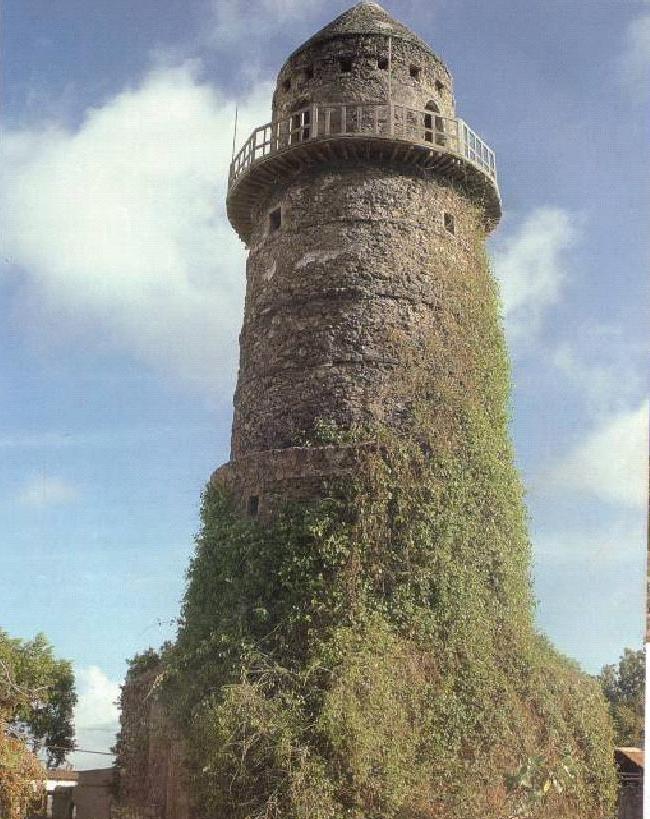
Somalia
← Back to destinations

Somalia

Somalia has major cultural, coastal, trade-route, and diaspora significance, from Mogadishu and Kismayo to Hargeisa, Berbera, and Laas Geel. Current terrorism, kidnapping, piracy, landmine, medical, visa-data, and consular-support risks make it a high-risk specialist context, not a normal leisure destination.

CultureCoastResearch

What this trip is really like

Somalia has major cultural, coastal, trade-route, and diaspora significance, from Mogadishu and Kismayo to Hargeisa, Berbera, and Laas Geel. Current terrorism, kidnapping, piracy, landmine, medical, visa-data, and consular-support risks make it a high-risk specialist context, not a normal leisure destination.

Capital
Mogadishu
Population
19.655 million residents (UNData 2025 estimate)
Language
Somali, Arabic
Timezone
Africa/Mogadishu
Ideal trip length
Depends on the route
Emergency
police: 888 (999 in Puntland; unreliable), fire: 555 (990 via Somtel or Telesom in Somaliland; unreliable), medical: 999 or 446 (Somali Red Crescent; unreliable)

Getting around

Transport, language, entry, and safety are the details that shape how this trip feels day to day.

Getting around

Road travel is dangerous and should be arranged only through a security firm or sponsoring organization. Use secure airport transfers and trusted drivers; armed checkpoints, illegal roadblocks, kidnapping, landmines, piracy, flooding, and sudden closures make independent overland or sea travel unsuitable. Any movement beyond the immediate approved route needs current local clearance, operator confirmation, communications, and evacuation planning.

Language

Somali is essential for local movement, with Arabic also useful. English may help with some diaspora, security, NGO, hotel, or official contacts, but it is not a reliable travel fallback.

English ease 1/5

Visa

Somalia and Somaliland use separate, route-sensitive entry systems. For a full British citizen passport, FCDO says Somalia requires an eVisa before travel and a passport valid at least six months after arrival; the Federal Government system has an active reported data-breach risk. Mogadishu uses the FGS eVisa, while Hargeisa may require it for airline boarding but does not recognize it for entry and issues a separate Somaliland visa on arrival. Other entry points, passports, minors, dual nationals, sponsors, business/media/NGO cases, and transit rules are case-specific; confirm with both authorities, the sponsor, and the carrier before any essential travel.

Safety & health

The U.S. Department of State rates Somalia Level 4: Do Not Travel because of crime, kidnapping, terrorism, unrest, health, landmines, systematic mistreatment of women and gay and lesbian people, piracy, rehabilitation-center abuse, and passport confiscation.

Level 4: Do not travel

Explore destination

These are the places that most strongly shape a first trip through Somalia.

Best time, month by month

Somalia's main rainy season is generally April-June, with a secondary rain period in October-November; July-September is often drier around Mogadishu but regional patterns differ.

ExcellentGoodOkayLess ideal

January · Good

Shoulder

January is one of the drier, more manageable months around Mogadishu, with warm coastal conditions; regional security, permissions, and evacuation support still determine whether movement is possible.

Climate at a glance

See the seasonal pattern month by month.

Temperature

33 °C21 °CJan
34 °C21 °CFeb
35 °C23 °CMar
35 °C23 °CApr
33 °C23 °CMay
32 °C22 °CJun
31 °C22 °CJul
31 °C21 °CAug
32 °C22 °CSep
33 °C22 °COct
33 °C22 °CNov
33 °C22 °CDec

Precipitation

3 mmJan
2 mmFeb
7 mmMar
83 mmApr
78 mmMay
61 mmJun
53 mmJul
28 mmAug
14 mmSep
61 mmOct
95 mmNov
17 mmDec

Climate source →

Full Travel Fit

A wider view of how this destination matches different travel styles.

Backpacking1/5

Somalia is not a backpacking destination under current Level 4 guidance; flexible low-cost travel is incompatible with terrorism, kidnapping, medical, and route-security risks.

Digital nomad1/5

Long stays only make sense for formal diaspora, NGO, diplomatic, security, media, or business work with secure housing, transport, and evacuation planning.

Budget1/5

Local costs are secondary because professional security, trusted transport, communications, secure accommodation, and medical evacuation dominate realistic expenses.

Safety1/5

Safety is a score of 1: the U.S. advisory is Level 4: Do Not Travel, while FCDO advises against almost all travel and provides only severely limited support.

Nightlife1/5

Nightlife should not drive planning; movement after dark and crowded venues increase security risk.

Nature2/5

Somalia has long coastline, desert, mountains, and marine potential, but security conditions keep most nature travel from being practical for ordinary visitors.

Beach1/5

The coastline is visually important, but beaches should not be presented as a normal leisure reason to visit while Level 4 and piracy/security warnings are in force.

Road trip1/5

Independent road travel is a poor fit because roads, checkpoints, landmines, conflict zones, terrorism, and kidnapping risk require specialist planning.

Beginner-friendly1/5

Somalia is not beginner-friendly: Somali language, visa complexity, professional security, medical evacuation, and current do-not-travel guidance all create high barriers.

Social1/5

Social travel is mainly through trusted family, diaspora, business, NGO, or security networks rather than open visitor circuits.


A few words go a long way

Somali is essential for local movement, with Arabic also useful. English may help with some diaspora, security, NGO, hotel, or official contacts, but it is not a reliable travel fallback.

English ease 1/5

Learn Somali for your trip →

Safety & health

The U.S. Department of State rates Somalia Level 4: Do Not Travel because of crime, kidnapping, terrorism, unrest, health, landmines, systematic mistreatment of women and gay and lesbian people, piracy, rehabilitation-center abuse, and passport confiscation.

Read more →

On the route

  • Al-Shabaab and other armed groups can attack hotels, restaurants, beaches, airports, ports, checkpoints, government sites, and convoys; violent crime, kidnapping, illegal roadblocks, and political unrest can occur without warning.
  • Road travel is dangerous: government forces, militias, and armed groups operate checkpoints. Use only vetted security firms or a sponsoring organization, travel with trusted drivers, and never assume a route is open.
  • Landmines, IEDs, piracy, and maritime crime remain active risks; avoid remote roads, high-risk waters, and any unsanctioned movement, and maintain an evacuation and communications plan.

Health

  • Medical services are extremely limited outside Hargeisa and even minor illness may require air evacuation; comprehensive medical-evacuation insurance and accessible funds are essential.
  • FCDO lists 999 for ambulance, 555 for fire, 888 for police, and 446 for Somali Red Crescent emergency services, but numbers can be unreliable.
  • Current health concerns include cholera and polio; check TravelHealthPro and transit-country vaccine rules, carry medicines, use safe water, and plan for repatriation.

Check the entry context for your passport

Somalia and Somaliland use separate, route-sensitive entry systems. For a full British citizen passport, FCDO says Somalia requires an eVisa before travel and a passport valid at least six months after arrival; the Federal Government system has an active reported data-breach risk. Mogadishu uses the FGS eVisa, while Hargeisa may require it for airline boarding but does not recognize it for entry and issues a separate Somaliland visa on arrival. Other entry points, passports, minors, dual nationals, sponsors, business/media/NGO cases, and transit rules are case-specific; confirm with both authorities, the sponsor, and the carrier before any essential travel.

Read more →

Somalia and Somaliland use separate, route-sensitive entry systems. For a full British citizen passport, FCDO says Somalia requires an eVisa before travel and a passport valid at least six months after arrival; the Federal Government system has an active reported data-breach risk. Mogadishu uses the FGS eVisa, while Hargeisa may require it for airline boarding but does not recognize it for entry and issues a separate Somaliland visa on arrival. Other entry points, passports, minors, dual nationals, sponsors, business/media/NGO cases, and transit rules are case-specific; confirm with both authorities, the sponsor, and the carrier before any essential travel.

Keep the details current

A short list of the most useful official, climate, tourism, and route references behind this guide.

4 source groups
View all sources

Open plan: Open the app

Transport, language, entry, and safety are the details that shape how this trip feels day to day.