South Korea
← Back to destinations

South Korea

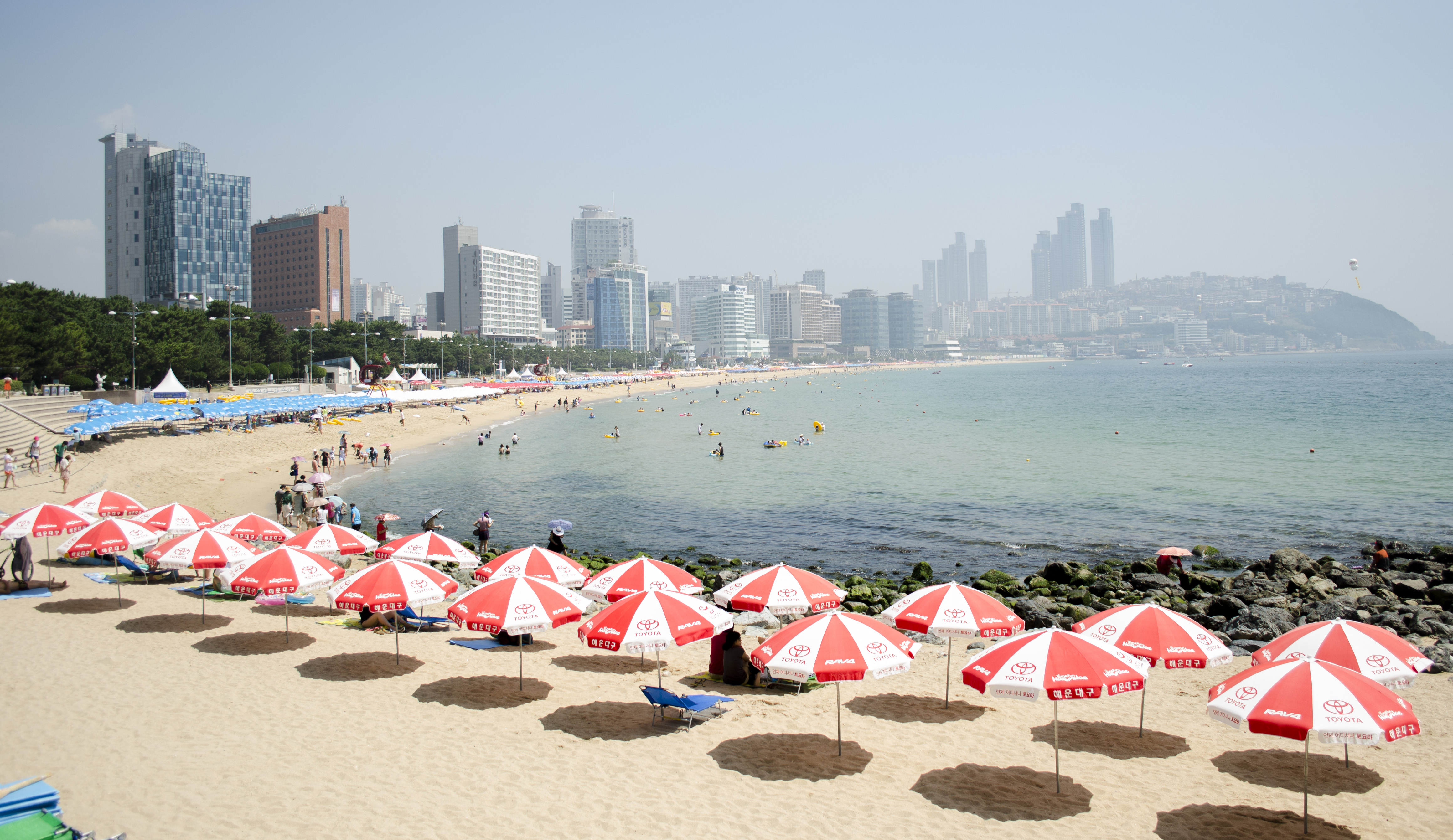
South Korea is a highly polished city, food, pop-culture, history, nightlife, transit, hiking, beach, and island destination. A strong first-trip route links Seoul, Busan, Gyeongju, Jeju, and national parks, with reliable rail and practical visitor services.

SeoulFoodK-popTransit

What this trip is really like

South Korea is a highly polished city, food, pop-culture, history, nightlife, transit, hiking, beach, and island destination. A strong first-trip route links Seoul, Busan, Gyeongju, Jeju, and national parks, with reliable rail and practical visitor services.

Capital
Seoul
Population
51.8 million (November 2024 census)
Language
Korean
Timezone
Asia/Seoul
Ideal trip length
Depends on the route
Emergency
police: 112, fire: 119, medical: 119

eSIM for South Korea

Use the reference page for context, then check current plans in the Smart Planner.

Compare eSIM plans

A good fit if you…

Backpacking
Digital nomad
Safety
Nightlife
Nature
Beginner-friendly
Social

Getting around

Transport, language, entry, and safety are the details that shape how this trip feels day to day.

Getting around

High-speed trains, metros, buses, taxis, domestic flights, ferries, and excellent urban transit make South Korea easy to navigate. Driving is optional and most useful for Jeju, rural coasts, or national-park routes; check current rail, ferry, airline, and transit-country notices and allow buffers when regional airspace disruption affects flights.

Language

English is workable in major hubs, hotels, and tourist services, but Korean basics help outside the main visitor route.

English ease 3/5

Visa

South Korea entry is passport- and purpose-specific. Visa-waiver travelers may visit for the stay granted to their nationality; U.S. tourism and business stays are generally visa-free for up to 90 days. Eligible visa-waiver travelers normally need K-ETA before boarding unless their passport is on the temporary exemption list through December 31, 2026. Travelers without valid K-ETA should submit the free e-Arrival card within 72 hours (3 days) before arrival; a paper entry declaration remains available, while valid K-ETA holders generally do not need the e-Arrival card. K-ETA does not extend the visa-free stay and approval does not guarantee admission. Employment, English teaching, study, residence, and stays over 90 days require the correct visa or status, so check the Korea Visa Portal, K-ETA eligibility, and e-Arrival instructions before booking.

Safety & health

The current U.S. State Department advisory lists South Korea at Level 1: Exercise Normal Precautions; its advisory was issued May 28, 2025 and remains the current page checked for this review.

Exercise normal precautions

Explore destination

These are the places that most strongly shape a first trip through South Korea.

Best time, month by month

April-May and September-November are the best broad windows for city walks, food, palaces, hiking, festivals, and comfortable weather. Summer is hot, humid, rainy, and beach-oriented.

ExcellentGoodOkayLess ideal

April · Excellent

High

April is one of the best months for Seoul, Gyeongju, Jeju, Busan, blossoms, cafes, palaces, and walking-heavy routes before summer humidity.

Highlights in April

Jinhae Cherry Blossom Festival

Jinhae's spring festival celebrates cherry blossom-lined streets and waterways, with particularly famous viewing spots around Yeojwacheon Stream.

Where
Jinhae, Changwon
Timing
Festival dates and peak flowering vary with the weather.

Climate at a glance

See the seasonal pattern month by month.

Temperature

1 °C-8 °CJan
4 °C-5 °CFeb
10 °C0 °CMar
17 °C6 °CApr
23 °C12 °CMay
26 °C18 °CJun
29 °C22 °CJul
29 °C22 °CAug
25 °C16 °CSep
19 °C9 °COct
11 °C2 °CNov
3 °C-5 °CDec

Precipitation

14 mmJan
33 mmFeb
41 mmMar
92 mmApr
81 mmMay
110 mmJun
357 mmJul
268 mmAug
139 mmSep
67 mmOct
58 mmNov
25 mmDec

Climate source →

Full Travel Fit

A wider view of how this destination matches different travel styles.

Backpacking4/5

Hostels, guesthouses, trains, buses, food markets, safe cities, and clear routes make Korea good for backpacking, though it is pricier than Southeast Asia.

Digital nomad4/5

Seoul, Busan, Jeju, and other cities offer excellent internet, cafes, transit, coworking, safety, and services, but lodging costs and visa rules limit longer stays.

Budget3/5

Transit and local meals can be fair value, but hotels, cafes, nightlife, attractions, and peak seasons make Korea mid-range rather than cheap.

Safety5/5

South Korea is Level 1 with low violent-crime risk, though travelers still need normal care around nightlife, crowds, weather, air quality, and regional alerts.

Nightlife5/5

Seoul and Busan have outstanding nightlife, late food, bars, clubs, karaoke, live music, and social drinking culture, with safety and consent awareness still important.

Nature4/5

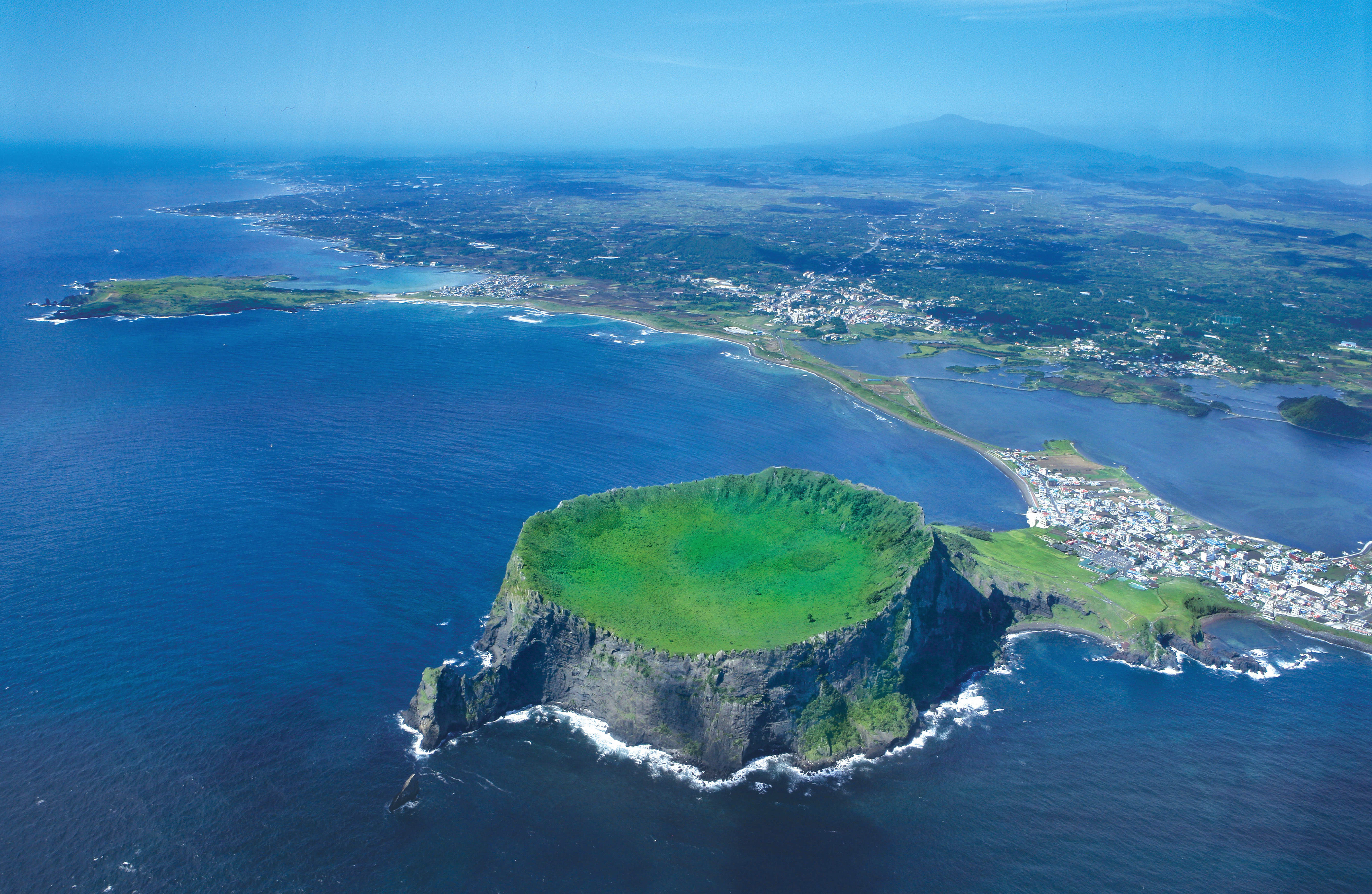
Jeju, Seoraksan, national parks, coastal walks, islands, autumn hiking, ski areas, and mountain temples give Korea strong nature depth beyond its cities.

Beach3/5

Busan, Jeju, Gangneung, Sokcho, and the east and south coasts offer good seasonal beach trips, though Korea is not primarily a tropical beach destination.

Road trip3/5

Public transport handles most trips, but Jeju, coastal drives, national parks, and rural food routes can reward drivers.

Beginner-friendly4/5

Transit, safety, signage, mobile data, payments, and tourism services are strong, though language, apps, and restaurant customs can take adjustment.

Social5/5

Nightlife, cafes, hostels, K-pop, language exchange, food tours, hiking groups, and events make Korea highly social for city travelers.


A few words go a long way

English is workable in major hubs, hotels, and tourist services, but Korean basics help outside the main visitor route.

English ease 3/5

Learn Korean for your trip →

Safety & health

The current U.S. State Department advisory lists South Korea at Level 1: Exercise Normal Precautions; its advisory was issued May 28, 2025 and remains the current page checked for this review.

Read more →

Check the entry context for your passport

South Korea entry is passport- and purpose-specific. Visa-waiver travelers may visit for the stay granted to their nationality; U.S. tourism and business stays are generally visa-free for up to 90 days. Eligible visa-waiver travelers normally need K-ETA before boarding unless their passport is on the temporary exemption list through December 31, 2026. Travelers without valid K-ETA should submit the free e-Arrival card within 72 hours (3 days) before arrival; a paper entry declaration remains available, while valid K-ETA holders generally do not need the e-Arrival card. K-ETA does not extend the visa-free stay and approval does not guarantee admission. Employment, English teaching, study, residence, and stays over 90 days require the correct visa or status, so check the Korea Visa Portal, K-ETA eligibility, and e-Arrival instructions before booking.

Read more →

South Korea entry is passport- and purpose-specific. Visa-waiver travelers may visit for the stay granted to their nationality; U.S. tourism and business stays are generally visa-free for up to 90 days. Eligible visa-waiver travelers normally need K-ETA before boarding unless their passport is on the temporary exemption list through December 31, 2026. Travelers without valid K-ETA should submit the free e-Arrival card within 72 hours (3 days) before arrival; a paper entry declaration remains available, while valid K-ETA holders generally do not need the e-Arrival card. K-ETA does not extend the visa-free stay and approval does not guarantee admission. Employment, English teaching, study, residence, and stays over 90 days require the correct visa or status, so check the Korea Visa Portal, K-ETA eligibility, and e-Arrival instructions before booking.

Keep the details current

A short list of the most useful official, climate, tourism, and route references behind this guide.

3 source groups
View all sources

Open plan: Open the app

Transport, language, entry, and safety are the details that shape how this trip feels day to day.