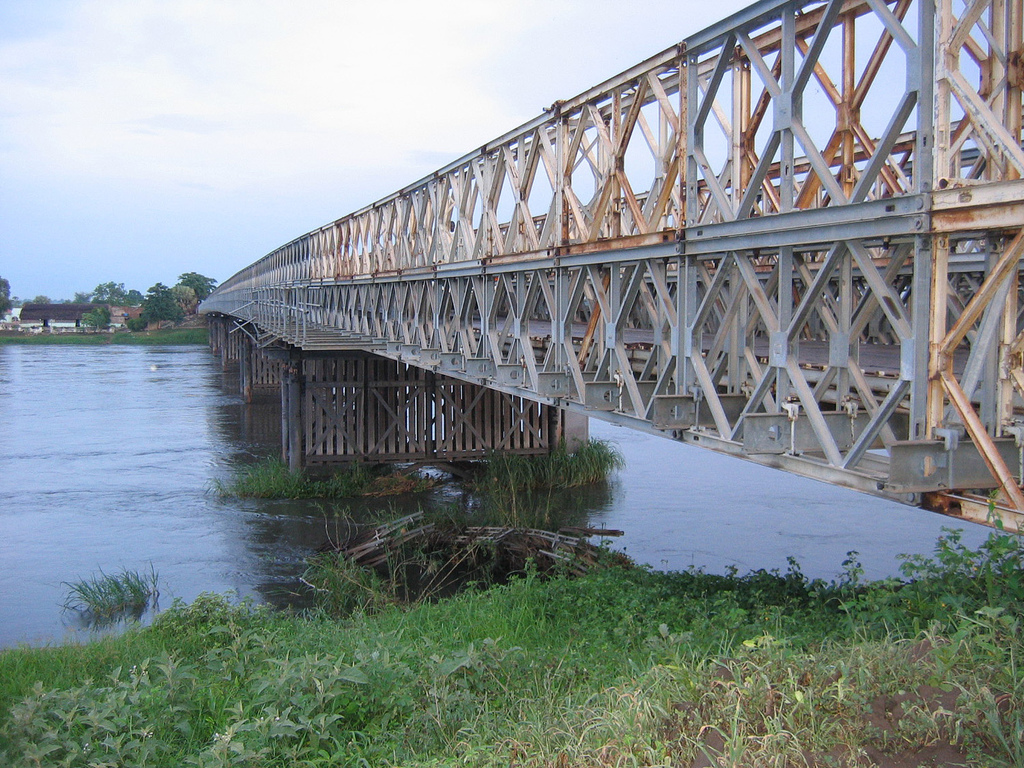
South Sudan
← Back to destinations

South Sudan

South Sudan is a landlocked East African country whose capital is Juba. The White Nile and the Sudd, Mt Kinyeti, Nimule, Boma, and Bandingilo represent its geographic and ecological range, but current U. S. and UK guidance advises against all travel because of conflict, crime, kidnapping, landmines, and health risks.

WildlifeCultureRiversExpedition

What this trip is really like

South Sudan is a landlocked East African country whose capital is Juba. The White Nile and the Sudd, Mt Kinyeti, Nimule, Boma, and Bandingilo represent its geographic and ecological range, but current U. S. and UK guidance advises against all travel because of conflict, crime, kidnapping, landmines, and health risks.

Capital
Juba
Population
12.19 million (UNData 2025 estimate)
Language
English
Timezone
Africa/Juba
Ideal trip length
Depends on the route
Emergency
police: 777, fire: No central emergency number, medical: No public emergency medical number

A good fit if you…

Nature

Getting around

Transport, language, entry, and safety are the details that shape how this trip feels day to day.

Getting around

Juba International Airport is the main gateway, but flights can be cancelled or the airport become inaccessible during security deterioration. Outside Juba, roads, checkpoints, ambushes, flooding, landmines, and poor medical support make movement dangerous; there is no formal tourism transport network.

Language

English is used in government, international operations, and visitor-facing services; colloquial Arabic and many local languages are also heard, so translation support may be needed outside formal settings.

English ease 3/5

Visa

South Sudan currently requires a visa before travel for many visitors; use the official South Sudan eVisa portal or the nearest South Sudanese embassy and verify passport-specific eligibility before booking. A passport should be valid at least six months beyond arrival with two blank pages, and yellow-fever vaccination proof is required. Work, UN, journalism, NGO, residence, and longer stays need additional authorizations or permits; immigration can deny entry. Current U.S. and UK advisories say do not travel, so visa approval is not a safety clearance.

Safety & health

The U.S. State Department currently rates South Sudan Level 4, Do Not Travel, because of unrest, violent crime, kidnapping, landmines, and health risks; the UK Foreign, Commonwealth & Development Office also advises against all travel.

Do not travel

Explore destination

These are the places that most strongly shape a first trip through South Sudan.

Best time, month by month

No month is suitable for ordinary tourism while current U. S. and UK advisories say do not travel.

ExcellentGoodOkayLess ideal

January · Less ideal

Low

January is usually among Juba's drier, clearer months, but current U.S. and UK advisories say do not travel to South Sudan; no month is suitable for ordinary tourism.

Highlights in January

Great Nile Migration

Huge herds of white-eared kob move across the Boma–Badingilo landscape in response to seasonal floods, with routes and viewing opportunities varying each year.

Where
Boma–Badingilo landscape
Timing
Many herds move toward dry-season ranges from November to January; sightings, access and security are not guaranteed.
Official source

Climate at a glance

See the seasonal pattern month by month.

Temperature

38 °C20 °CJan
39 °C23 °CFeb
38 °C23 °CMar
36 °C22 °CApr
34 °C21 °CMay
33 °C21 °CJun
31 °C21 °CJul
31 °C20 °CAug
32 °C21 °CSep
33 °C21 °COct
35 °C21 °CNov
37 °C20 °CDec

Precipitation

5 mmJan
14 mmFeb
46 mmMar
114 mmApr
137 mmMay
122 mmJun
153 mmJul
141 mmAug
121 mmSep
114 mmOct
45 mmNov
10 mmDec

Climate source →

Full Travel Fit

A wider view of how this destination matches different travel styles.

Backpacking1/5

South Sudan has no dependable backpacker network, and current conflict, kidnapping, landmine, road, and medical risks make independent overland travel unsuitable.

Digital nomad1/5

Juba has limited connectivity and accommodation options, while current no-travel advisories, restricted movement, and unreliable services rule out a normal digital-nomad setup.

Budget1/5

Travel costs are difficult to predict because secure transport, compounds, permits, evacuation cover, and limited supply chains can dominate a budget; current advisories say do not travel.

Safety1/5

The U.S. State Department's Level 4 Do Not Travel advisory cites unrest, violent crime, kidnapping, landmines, and health risks, and the UK advises against all travel.

Nightlife1/5

Juba has a small evening scene, but crime, checkpoints, curfews or movement restrictions, and current no-travel advice make nightlife an unsuitable trip priority.

Nature4/5

The Sudd, White Nile, Imatong Mountains, and large wildlife landscapes give South Sudan strong ecological potential, although access is remote and current advisories make visits unsafe.

Beach1/5

South Sudan is landlocked, so there are no coastal beaches; water-based interest centres on the White Nile and wetlands rather than beach stays.

Road trip1/5

Road ambushes, armed checkpoints, flooding, damaged roads, landmines, and weak emergency support make a self-drive or leisure road trip inappropriate.

Beginner-friendly1/5

A first-time visitor would face a Level 4 security warning, scarce medical care, limited transport, visa complexity, and no reliable ordinary tourism infrastructure.

Social2/5

South Sudan's communities and pastoral cultures are socially rich, but meaningful contact requires permission, trusted local support, and conditions that current advisories do not consider safe.


A few words go a long way

English is used in government, international operations, and visitor-facing services; colloquial Arabic and many local languages are also heard, so translation support may be needed outside formal settings.

English ease 3/5

Learn English for your trip →

Safety & health

The U.S. State Department currently rates South Sudan Level 4, Do Not Travel, because of unrest, violent crime, kidnapping, landmines, and health risks; the UK Foreign, Commonwealth & Development Office also advises against all travel.

Read more →

On the route

  • Armed conflict, road ambushes, carjackings, shootings, kidnapping, and checkpoints can occur; avoid all travel, protests, large gatherings, and movement after dark.
  • Landmines and unexploded weapons remain a risk in several states, including Central and Eastern Equatoria; do not enter marked areas or touch suspicious objects.
  • Do not photograph government buildings, military sites, bridges, airports, utilities, or other sensitive locations; drug penalties are severe.

Health

  • Medical facilities are extremely limited; there is no public emergency medical number and medical evacuation to Nairobi or Kampala may be required.
  • Malaria risk is high; cholera, yellow fever, mpox, and Ebola-related screening or health measures are current concerns. Follow current health-authority advice before any essential authorized trip.
  • Carry comprehensive evacuation insurance and accessible funds if travel is essential and authorized; rainy-season flights can be delayed.

Check the entry context for your passport

South Sudan currently requires a visa before travel for many visitors; use the official South Sudan eVisa portal or the nearest South Sudanese embassy and verify passport-specific eligibility before booking. A passport should be valid at least six months beyond arrival with two blank pages, and yellow-fever vaccination proof is required. Work, UN, journalism, NGO, residence, and longer stays need additional authorizations or permits; immigration can deny entry. Current U.S. and UK advisories say do not travel, so visa approval is not a safety clearance.

Read more →

South Sudan currently requires a visa before travel for many visitors; use the official South Sudan eVisa portal or the nearest South Sudanese embassy and verify passport-specific eligibility before booking. A passport should be valid at least six months beyond arrival with two blank pages, and yellow-fever vaccination proof is required. Work, UN, journalism, NGO, residence, and longer stays need additional authorizations or permits; immigration can deny entry. Current U.S. and UK advisories say do not travel, so visa approval is not a safety clearance.

Keep the details current

A short list of the most useful official, climate, tourism, and route references behind this guide.

5 source groups
View all sources

Open plan: Open the app

Transport, language, entry, and safety are the details that shape how this trip feels day to day.