Sudan
← Back to destinations

Sudan

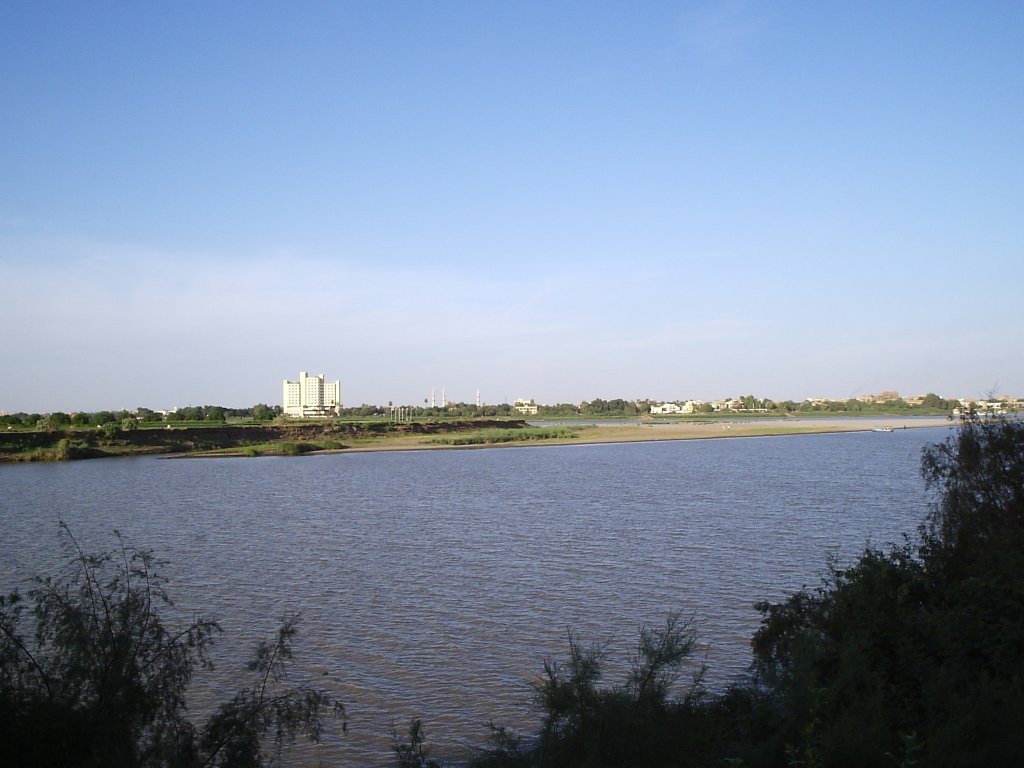
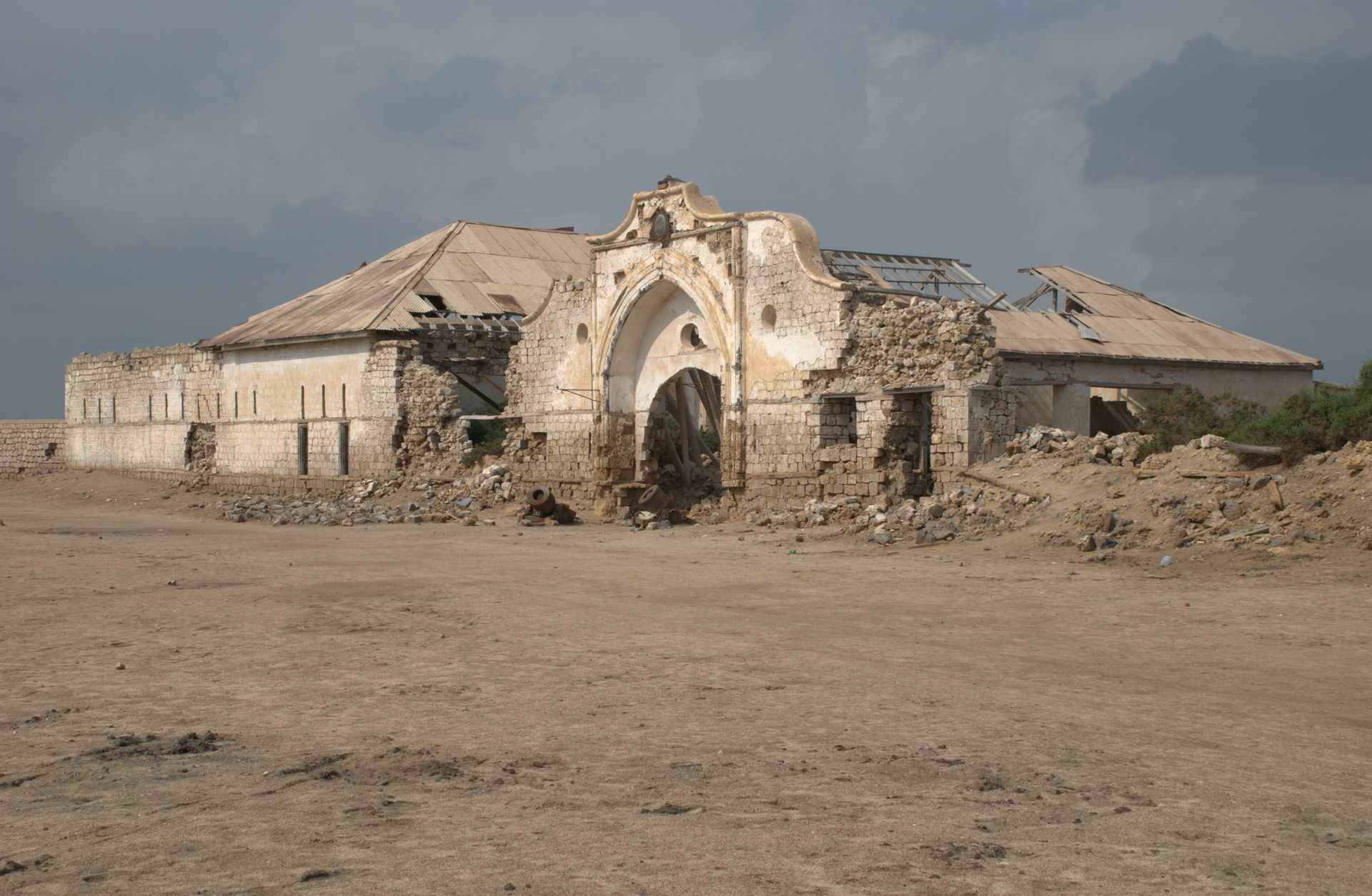
Sudan is normally a major Nubian archaeology, Nile, desert, Red Sea, and cultural-history destination, but the current profile must lead with Level 4 Do Not Travel guidance and the collapse of safe tourism conditions during the ongoing war.

Do Not TravelNubian HeritageMeroeRed Sea

What this trip is really like

Sudan is normally a major Nubian archaeology, Nile, desert, Red Sea, and cultural-history destination, but the current profile must lead with Level 4 Do Not Travel guidance and the collapse of safe tourism conditions during the ongoing war.

Capital
Khartoum
Population
50.4 million
Language
Arabic, English
Timezone
Africa/Khartoum
Ideal trip length
Depends on the route
Emergency
police: not reliable, fire: not reliable, medical: not in service

Getting around

Transport, language, entry, and safety are the details that shape how this trip feels day to day.

Getting around

Travel is currently dominated by armed conflict, checkpoints, permits, damaged roads, fuel shortages, landmines, and unreliable medical support. Khartoum and Port Sudan airports operate only limited flights and can close after drone strikes; road travel is high-risk and flash flooding can make routes south of Khartoum impassable from July to October. Under normal conditions, visitors used domestic flights, buses, private drivers, Nile and desert routes, and Port Sudan connections.

Language

English is easy for most travel basics; local accents or creoles may still take adjustment.

English ease 4/5

Visa

Sudan requires a visa for most foreign visitors and applications are handled through a Sudanese embassy; passport, purpose, route, and current security conditions matter. FCDO says a passport must be valid at least six months after arrival, a single-entry visa may require an exit visa, a travel permit is required to leave Red Sea State and separate permits apply elsewhere, and registration with the Aliens Department is required within three days. Yellow-fever proof is required; current U.S. guidance says do not travel, while FCDO advises against all travel to most of Sudan and against all but essential travel to Hala'ib and Bir Tawil.

Safety & health

The current U.S. State Department advisory, issued May 15, 2026, lists Sudan at Level 4: Do Not Travel because of unrest, crime, kidnapping, terrorism, landmines, and health threats.

Level 4: Do not travel

Explore destination

These are the places that most strongly shape a first trip through Sudan.

Best time, month by month

Sudan's cooler dry-season window is generally November to February in the north; extreme heat peaks in late spring and early summer, and flash flooding is more likely from July to October.

ExcellentGoodOkayLess ideal

January · Less ideal

High

January is among the cooler, drier periods for northern Sudan and would normally suit desert or Nile routes, but current Level 4 Do Not Travel advice overrides seasonal suitability.

Climate at a glance

See the seasonal pattern month by month.

Temperature

33 °C16 °CJan
36 °C18 °CFeb
38 °C21 °CMar
41 °C24 °CApr
43 °C28 °CMay
42 °C27 °CJun
39 °C26 °CJul
37 °C25 °CAug
39 °C26 °CSep
40 °C25 °COct
37 °C21 °CNov
33 °C17 °CDec

Precipitation

0 mmJan
0 mmFeb
0 mmMar
0 mmApr
2 mmMay
7 mmJun
41 mmJul
71 mmAug
20 mmSep
4 mmOct
0 mmNov
0 mmDec

Climate source →

Full Travel Fit

A wider view of how this destination matches different travel styles.

Backpacking1/5

Sudan is not suitable for backpacking under Level 4 guidance, armed conflict, closed embassy support, checkpoints, landmine risk, and unreliable transport.

Digital nomad1/5

Longer stays are not appropriate because of war, infrastructure collapse, communications disruption, health risk, visas, and lack of U.S. consular services.

Budget1/5

Budget travel is not a responsible framing while security, evacuation, fuel, medical access, permits, and basic services are unstable.

Safety1/5

Sudan is Level 4 due to armed conflict, unrest, crime, kidnapping, terrorism, landmines, health threats, and no U.S. Embassy services in country.

Nightlife1/5

Nightlife should not be promoted during active conflict, curfews, alcohol restrictions, and severe security risk.

Nature2/5

The Nile, deserts, Red Sea reefs, and Jebel Marra are significant, but access and safety are currently severely constrained.

Beach1/5

The Red Sea coast has diving potential, but beach or coastal travel is not a responsible planning reason under current Level 4 conditions.

Road trip1/5

Road travel is highly risky due to conflict, checkpoints, landmines, fuel shortages, damaged infrastructure, kidnapping, and medical limits.

Beginner-friendly1/5

Current war conditions, visa complexity, lack of embassy services, health threats, and transport disruption make Sudan unsuitable for beginners.

Social1/5

Sudan has rich hospitality and culture, but social leisure travel should not be promoted while Do Not Travel guidance remains active.


A few words go a long way

English is easy for most travel basics; local accents or creoles may still take adjustment.

English ease 4/5

Learn Arabic for your trip →
أين المحطة؟Where is the station?'ayn almahatatu?

Safety & health

The current U.S. State Department advisory, issued May 15, 2026, lists Sudan at Level 4: Do Not Travel because of unrest, crime, kidnapping, terrorism, landmines, and health threats.

Read more →

On the route

  • The U.S. and FCDO report widespread violent crime, looting, armed robbery, kidnapping, carjacking, sexual violence, and dangerous checkpoints. If essential movement is authorized, keep a low profile, avoid demonstrations, and do not resist a robbery or checkpoint demand.
  • FCDO reports a high threat of detention, enforced disappearance, and unlawful arrest; aid workers and journalists can be targeted. Communications blackouts are regular, so do not rely on one phone, network, route, or contact plan.
  • Do not take pictures or use a camera near government buildings, military installations, airports, bridges, petrol stations, or other sensitive sites. Carry required identity and travel permits, and do not assume a permit from one authority is recognized by every armed group.

Health

  • Medical services are extremely limited and routine or emergency treatment may be unavailable; even minor illness or injury can require expensive medical evacuation. Insurance may exclude travel against official advice, so verify cover before any essential movement.
  • Cholera, dengue, other mosquito-borne illness, contaminated water, heat, dust, and yellow-fever requirements need current travel-health planning. Follow CDC and local health guidance for the exact itinerary.
  • Flash flooding is more likely from July to October and can cut roads, while landmines and unexploded ordnance remain a threat in Khartoum, Darfur, Kordofan, and other conflict areas. Stay on routes confirmed safe by competent local authorities if movement is unavoidable.

Check the entry context for your passport

Sudan requires a visa for most foreign visitors and applications are handled through a Sudanese embassy; passport, purpose, route, and current security conditions matter. FCDO says a passport must be valid at least six months after arrival, a single-entry visa may require an exit visa, a travel permit is required to leave Red Sea State and separate permits apply elsewhere, and registration with the Aliens Department is required within three days. Yellow-fever proof is required; current U.S. guidance says do not travel, while FCDO advises against all travel to most of Sudan and against all but essential travel to Hala'ib and Bir Tawil.

Read more →

Sudan requires a visa for most foreign visitors and applications are handled through a Sudanese embassy; passport, purpose, route, and current security conditions matter. FCDO says a passport must be valid at least six months after arrival, a single-entry visa may require an exit visa, a travel permit is required to leave Red Sea State and separate permits apply elsewhere, and registration with the Aliens Department is required within three days. Yellow-fever proof is required; current U.S. guidance says do not travel, while FCDO advises against all travel to most of Sudan and against all but essential travel to Hala'ib and Bir Tawil.

Keep the details current

A short list of the most useful official, climate, tourism, and route references behind this guide.

6 source groups
View all sources

Open plan: Open the app

Transport, language, entry, and safety are the details that shape how this trip feels day to day.