Paramaribo is manageable for independent travelers, but interior routes need prearranged guides, boats, or flights, and costs rise quickly beyond the coastal corridor.
Paramaribo has the country's most reliable urban services and connectivity, while Dutch-first business, a smaller remote-work market, and limited interior coverage reduce flexibility.
Meals in Paramaribo can be reasonable, but the entry fee, licensed transport, guided interior trips, boats, and small-aircraft transfers can make a nature itinerary expensive.
The U.S. Level 1 advisory supports normal precautions, but reported robbery, secluded-area crime, road hazards, and interior-tour risks call for active situational awareness.
Paramaribo has restaurants, bars, live music, and late-evening food, but the scene is compact and after-dark movement needs licensed transport and normal crime precautions.
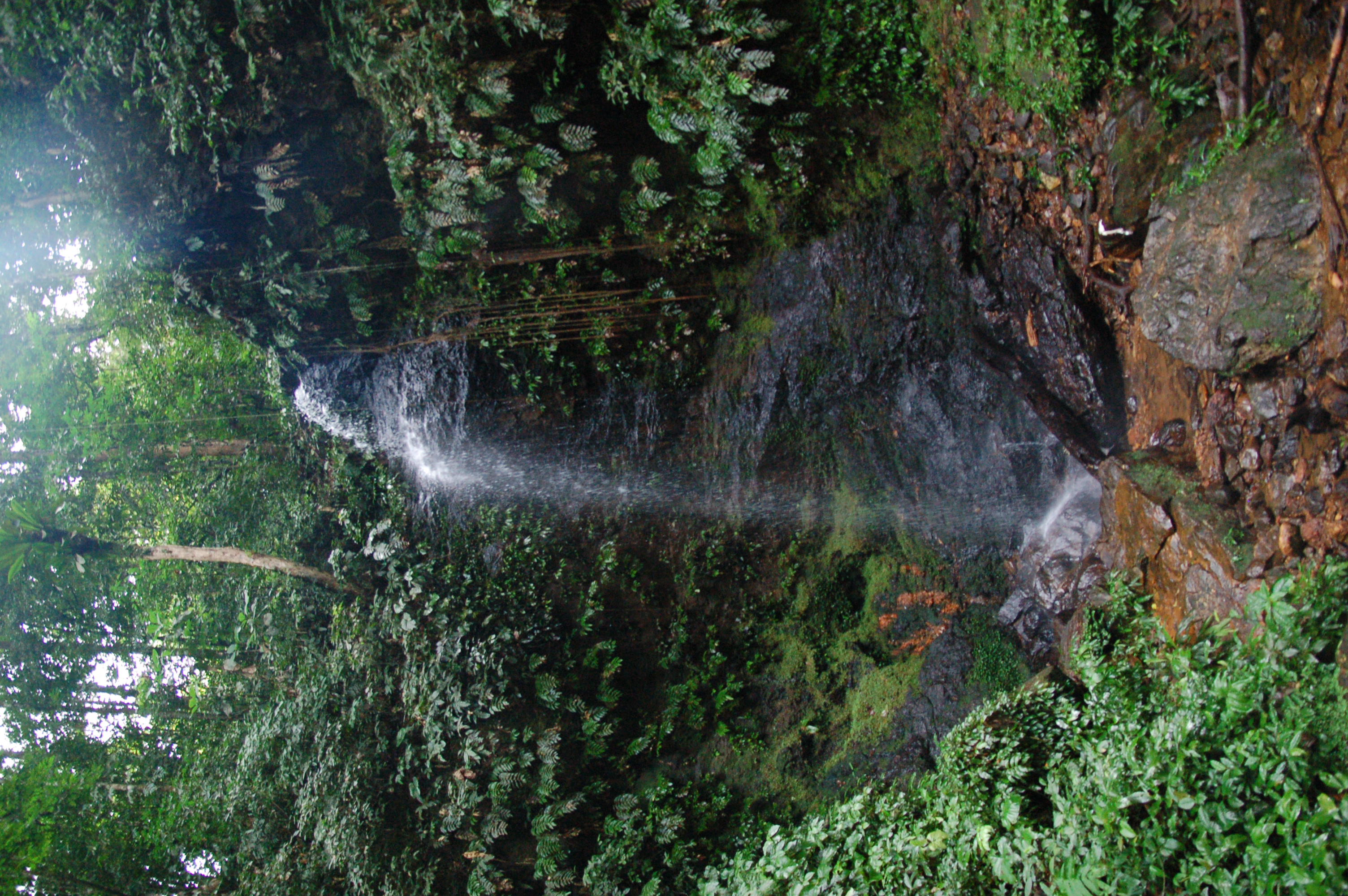
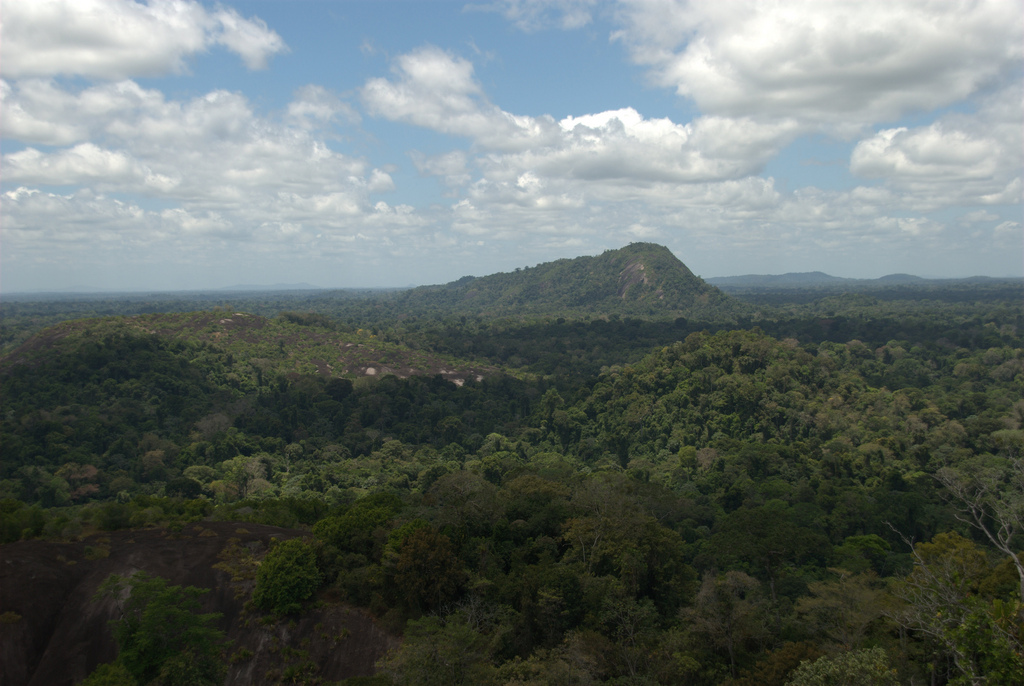
Amazonian rainforest, the Central Suriname Nature Reserve, Brownsberg, coastal wetlands, rivers, and turtle nesting give Suriname a strong nature profile, with remote access limiting spontaneity.
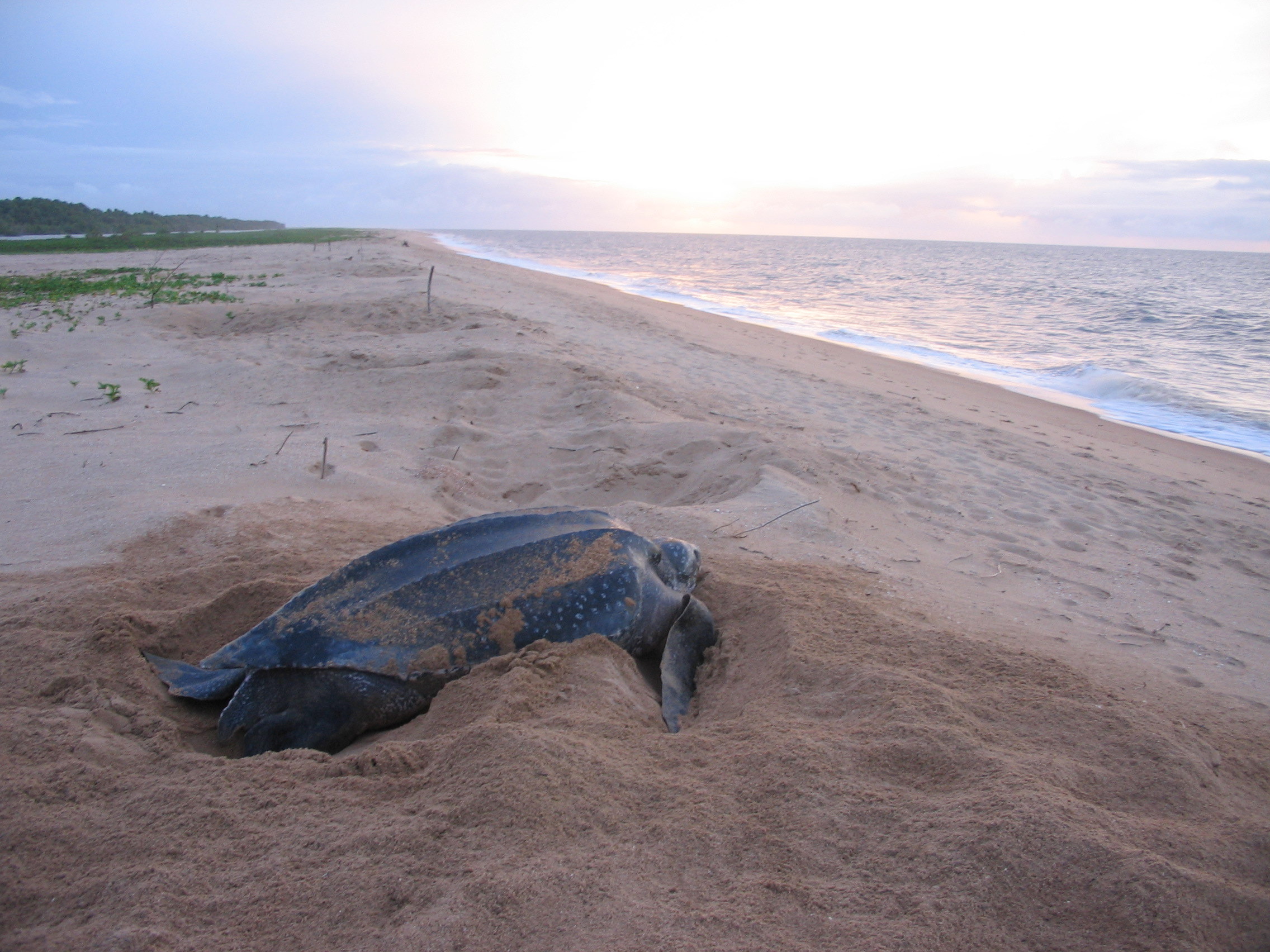
Suriname has Atlantic beaches and important turtle-nesting shores, but much of the coast is muddy, tidal, or conservation-focused rather than a classic resort beach destination.
The coastal road network connects the main towns, but lighting and surfaces vary; interior journeys often require a 4WD vehicle, boat, guide, or small aircraft.
Paramaribo is a workable first base with a distinctive food and heritage scene, but Dutch-first services, limited nationwide infrastructure, and guided remote travel add planning friction.
Paramaribo's markets, restaurants, festivals, and multiethnic communities make social travel rewarding, while interior visits are more structured around guides and river lodges.




.jpg)
