Sweden works well for backpackers who plan around hostels, trains, buses, ferries, camping, right-to-roam access, city passes, and summer outdoor routes. Costs are high, so budgeting matters.
Stockholm, Gothenburg, Malmo, Uppsala, and Lund offer excellent connectivity, English, cafes, coworking, public transport, and quality of life. Housing costs and Schengen limits are the main friction.
Sweden is expensive for eating out, alcohol, hotels, and long-distance transport. Costs are easier with grocery meals, hostels, camping, advance rail fares, ferries, and free nature access.
Current official advice is Level 2 due to terrorism. Day-to-day travel is usually orderly, but visitors still need awareness around public places, theft, nightlife, winter, remote nature, ice, boating, and road wildlife.
Stockholm, Gothenburg, Malmo, Uppsala, and summer resort areas have bars, clubs, live music, and late events, but Sweden is more expensive and regulated than many nightlife-led destinations.
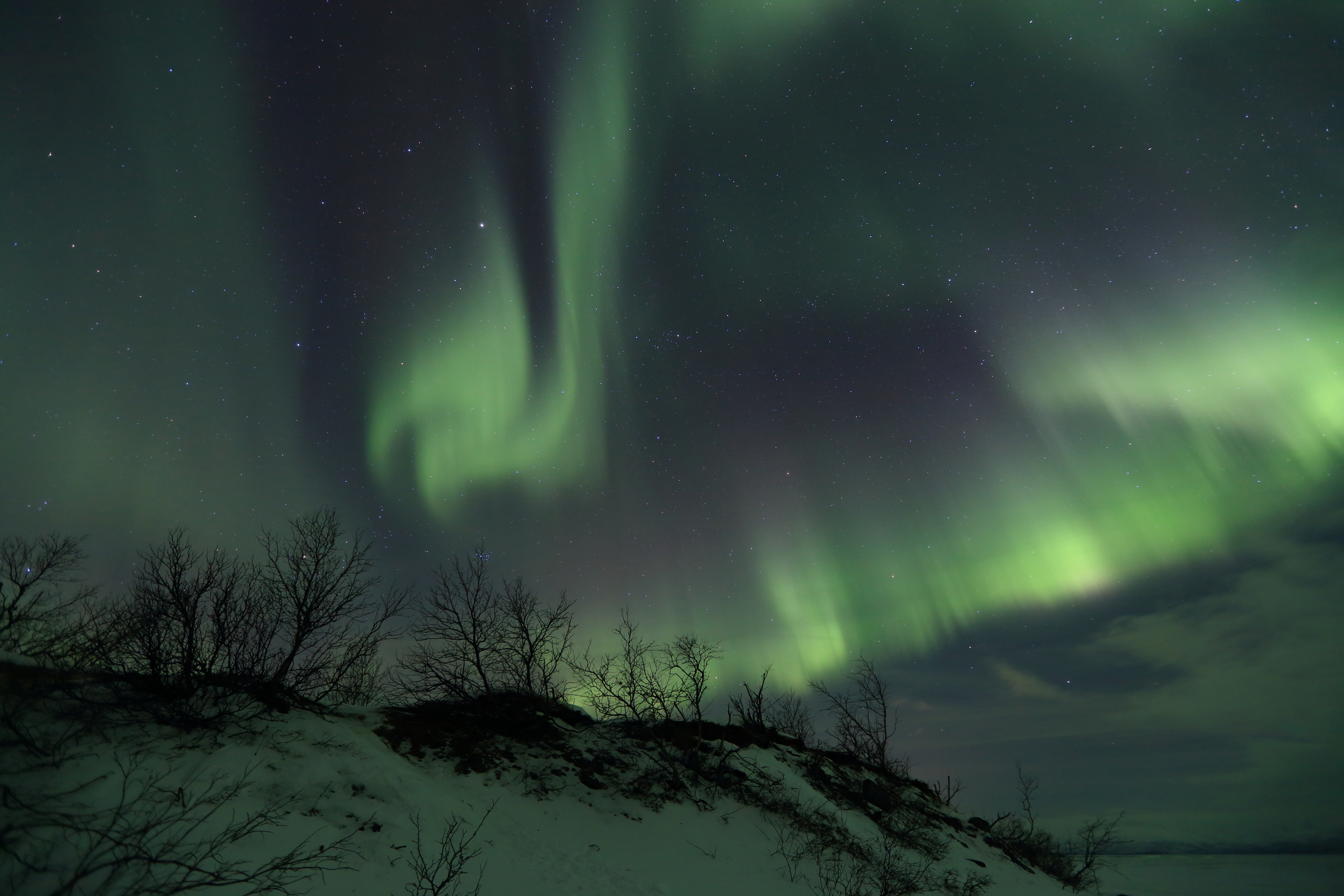
Sweden is outstanding for nature: archipelagos, lakes, forests, national parks, Lapland, hiking, skiing, kayaking, cycling, wildlife, midnight sun, northern lights, and right-to-roam access.
Sweden has good summer swimming, island beaches, lake bathing, Gotland, Skane beaches, and west-coast rocky coves, but it is seasonal and water is cooler than southern Europe.
Driving is excellent for archipelagos, lakes, forests, Dalarna, west coast, Skane, Gotland, Lapland, and national parks. Long distances, ferries, wildlife, winter roads, and daylight need planning.
Sweden is highly beginner-friendly thanks to English, reliable transport, cards, safety standards, clean cities, good healthcare, and clear logistics. The main challenges are cost, winter darkness, and remote-route planning.
Hostels, city tours, cafes, music, student cities, summer festivals, outdoor tours, campgrounds, and Arctic activities create social options, though Sweden can feel quieter and pricier than southern Europe.




.jpg)