Switzerland
← Back to destinations

Switzerland

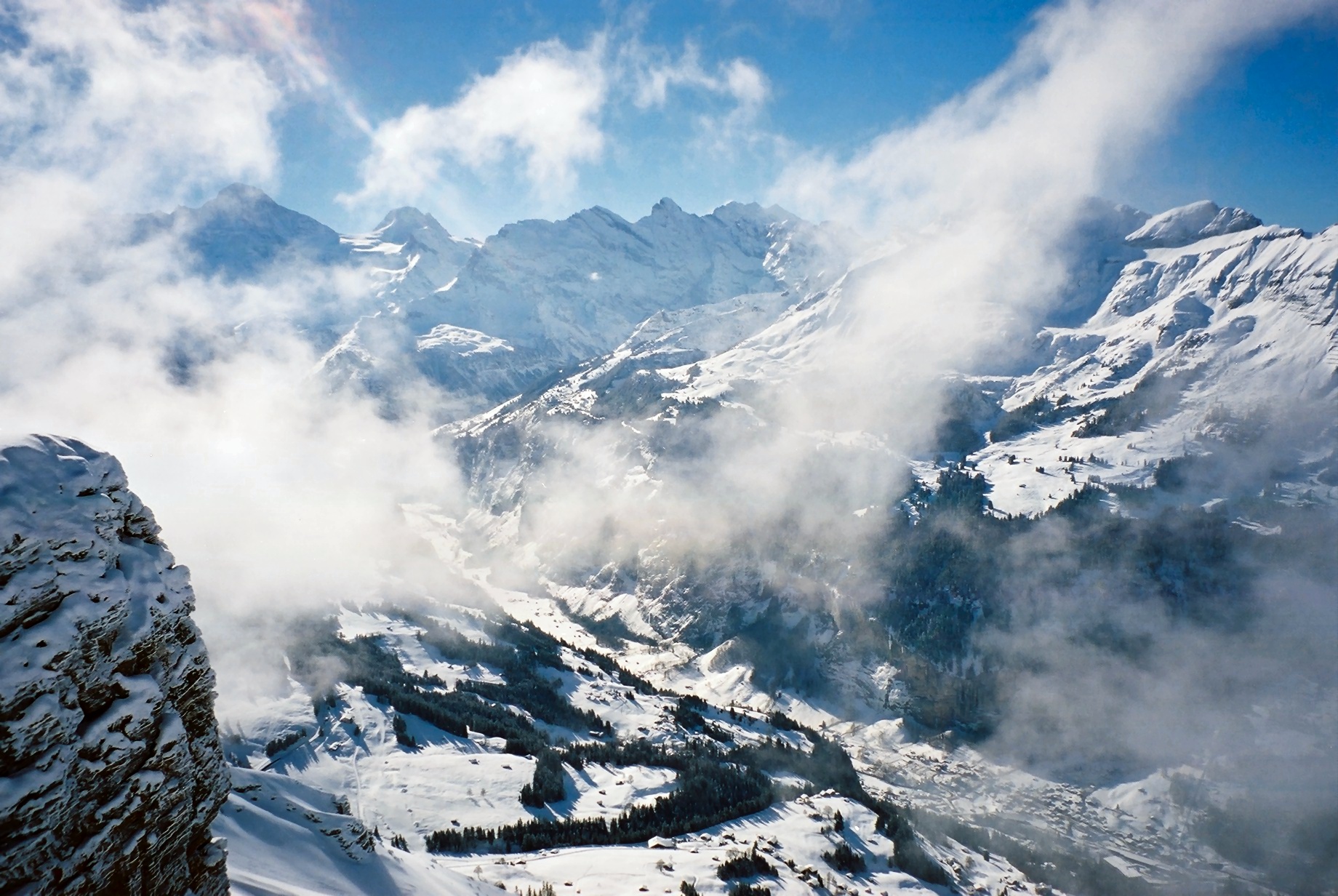
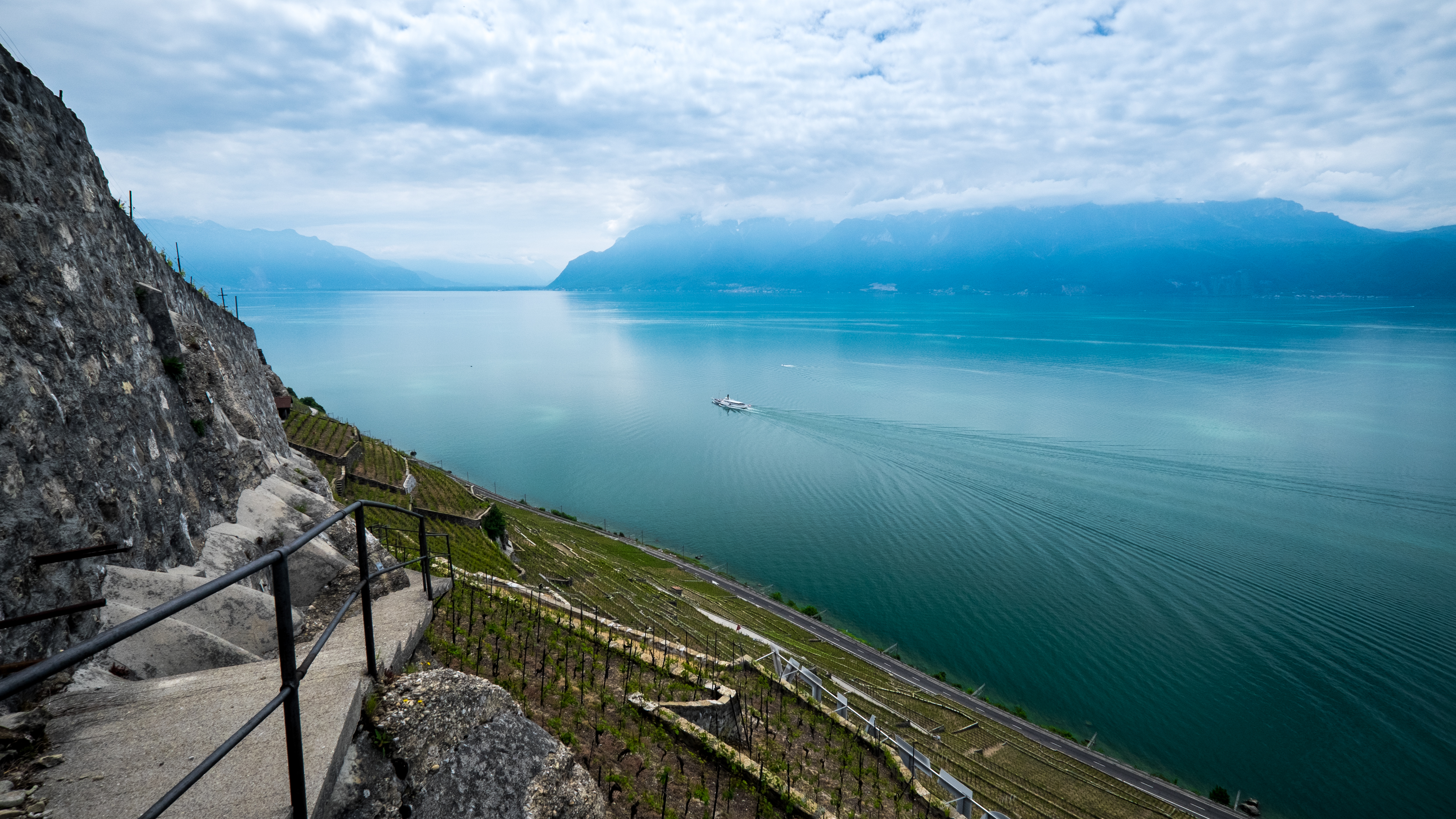
Switzerland is a premium Alpine trip for scenic trains, Lucerne, the Jungfrau Region, Zermatt, Zurich, Bern, Basel, Geneva, Lake Geneva, Ticino, lakes, skiing, hiking, mountain villages, and precise transport. It is expensive, but unusually easy and high-impact when planned around rail, seasons, and mountain conditions.

AlpsScenic railLakesHiking

What this trip is really like

Switzerland is a premium Alpine trip for scenic trains, Lucerne, the Jungfrau Region, Zermatt, Zurich, Bern, Basel, Geneva, Lake Geneva, Ticino, lakes, skiing, hiking, mountain villages, and precise transport. It is expensive, but unusually easy and high-impact when planned around rail, seasons, and mountain conditions.

Capital
Bern
Population
9.0 million
Language
German, French, Italian, Romansh
Timezone
Europe/Zurich
Ideal trip length
Depends on the route
Emergency
police: 117, fire: 118, medical: 144

A good fit if you…

Safety
Nature
Road trip
Beginner-friendly

Getting around

Transport, language, entry, and safety are the details that shape how this trip feels day to day.

Getting around

Switzerland is one of Europe's easiest countries for public transport: trains, mountain railways, boats, buses, cable cars, and city transit connect tightly, often through integrated tickets or rail passes. Driving helps with flexible road loops, but parking, toll vignettes, passes, winter rules, and car-free resorts can make rail the better default.

Language

English is workable in major cities, hotels, and tourist areas, but German basics help outside the main visitor route.

English ease 3/5

Visa

Switzerland is part of the Schengen area. Visa-exempt non-EU travelers can usually stay up to 90 days in any 180-day Schengen period; travelers who require a visa need a Schengen Type C visa for short stays, and stays over 90 days require the correct Swiss national visa, permit, or residence status.

Safety & health

The U.S. State Department currently advises exercising normal precautions in Switzerland. Crime risk is low, but pickpocketing, luggage theft, bike theft, scams, and unattended-bag theft can still happen in cities, trains, stations, and tourist areas.

Normal precautions

Explore destination

These are the places that most strongly shape a first trip through Switzerland.

Best time, month by month

May-September is Switzerland’s strongest broad window for lakes, scenic rail, hiking, waterfalls, mountain railways, and high passes, with July-August busiest and priciest. December-March suits ski resorts, snow villages, winter rail, and Christmas trips.

ExcellentGoodOkayLess ideal

May · Excellent

High

May is one of Switzerland’s best broad months for cities, lakes, scenic rail, lower hikes, waterfalls, and Ticino before peak summer pressure.

Climate at a glance

See the seasonal pattern month by month.

Temperature

4 °C-3 °CJan
5 °C-3 °CFeb
11 °C0 °CMar
15 °C4 °CApr
18 °C7 °CMay
22 °C11 °CJun
25 °C13 °CJul
24 °C13 °CAug
19 °C9 °CSep
15 °C5 °COct
9 °C2 °CNov
5 °C-2 °CDec

Precipitation

87 mmJan
66 mmFeb
58 mmMar
78 mmApr
130 mmMay
115 mmJun
114 mmJul
121 mmAug
69 mmSep
81 mmOct
89 mmNov
98 mmDec

Climate source →

Full Travel Fit

A wider view of how this destination matches different travel styles.

Backpacking3/5

Switzerland is easy to route by rail and hostels exist in major hubs, but high prices keep it from being a budget backpacking classic. Rail passes, grocery meals, lake swims, hikes, and careful bases help.

Digital nomad3/5

Zurich, Geneva, Basel, Lausanne, Bern, and smaller cities offer excellent infrastructure, safety, English, and quality of life, but housing, food, coworking, and Schengen or permit limits are expensive.

Budget1/5

Switzerland is one of Europe's most expensive travel countries. Costs can be softened with advance rail passes, hostels, supermarkets, picnic meals, free hikes, lake swimming, and fewer resort nights.

Safety5/5

Current official advice is normal precautions. Day-to-day travel is very safe, with the main concerns being theft in busy areas, mountain weather, avalanches, altitude, cold water, road passes, and rescue or medical costs.

Nightlife3/5

Zurich, Basel, Geneva, Lausanne, Bern, and ski resorts offer bars, clubs, music, and late events, but Switzerland is more polished and expensive than nightlife-led destinations.

Nature5/5

Switzerland is a top-tier nature destination: Alps, lakes, glaciers, passes, valleys, waterfalls, hiking, skiing, scenic trains, mountain huts, and postcard villages are the core reason to go.

Beach1/5

Switzerland is landlocked. Swimming is lake, river, lido, and spa based rather than sea-beach travel.

Road trip4/5

Trains are usually better between major hubs, but road trips are rewarding for alpine passes, lake loops, villages, Ticino, and flexible viewpoint stops. Parking, vignettes, winter tires, closures, and mountain roads need planning.

Beginner-friendly5/5

Switzerland is extremely beginner-friendly thanks to safety, clean infrastructure, punctual transport, multilingual signage, cards, excellent healthcare, and predictable logistics. Cost and mountain conditions are the main challenges.

Social3/5

Hostels, scenic trains, hiking routes, mountain huts, ski resorts, lake swimming, city events, and international hubs create social options, but costs and a quieter culture make it less spontaneous than backpacker hotspots.


A few words go a long way

English is workable in major cities, hotels, and tourist areas, but German basics help outside the main visitor route.

English ease 3/5

Learn German for your trip →
Wo ist der Bahnhof?Where is the station?

Safety & health

The U.S. State Department currently advises exercising normal precautions in Switzerland. Crime risk is low, but pickpocketing, luggage theft, bike theft, scams, and unattended-bag theft can still happen in cities, trains, stations, and tourist areas.

Read more →

On the route

  • Exercise normal precautions; Switzerland is low-crime, but theft can occur around rail stations, trains, airports, city centers, ski resorts, and crowded viewpoints.
  • Watch luggage and bags, secure bikes, and use normal care late at night in city entertainment areas.
  • Mountain travel, winter roads, avalanches, glaciers, and high-altitude weather need careful route checks and insurance.

Health

  • Medical care is excellent but expensive, so travel insurance is important for non-residents.
  • Tap water is generally safe unless a fountain or source is marked otherwise.
  • Altitude, sun, cold, storms, avalanches, cold water, and remote trail response times are the main outdoor health considerations.

Check the entry context for your passport

Switzerland is part of the Schengen area. Visa-exempt non-EU travelers can usually stay up to 90 days in any 180-day Schengen period; travelers who require a visa need a Schengen Type C visa for short stays, and stays over 90 days require the correct Swiss national visa, permit, or residence status.

Read more →

Switzerland is part of the Schengen area. Visa-exempt non-EU travelers can usually stay up to 90 days in any 180-day Schengen period; travelers who require a visa need a Schengen Type C visa for short stays, and stays over 90 days require the correct Swiss national visa, permit, or residence status.

Keep the details current

A short list of the most useful official, climate, tourism, and route references behind this guide.

4 source groups

Open plan: Open the app

Transport, language, entry, and safety are the details that shape how this trip feels day to day.