Syria
← Back to destinations

Syria

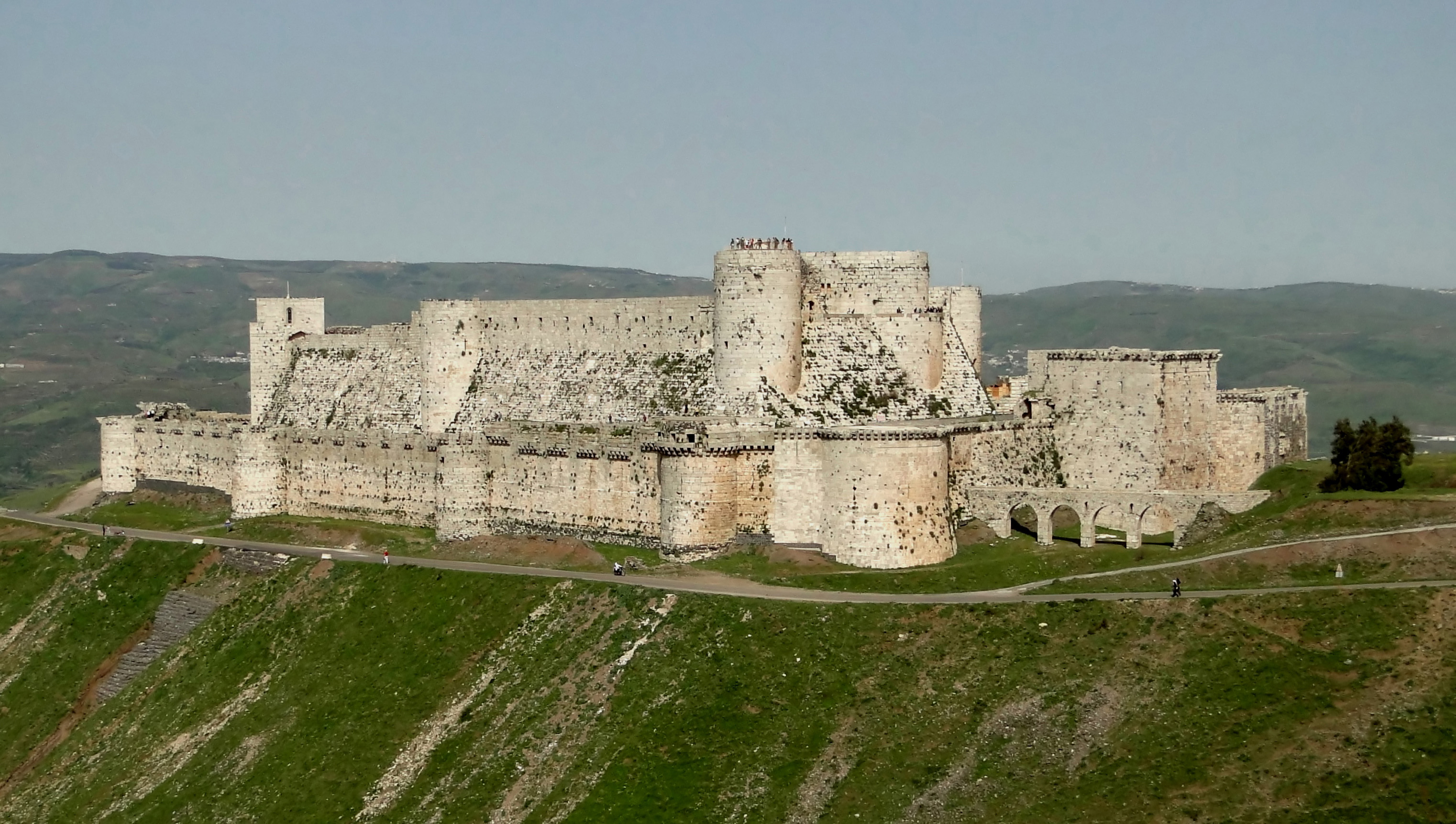
Syria is normally one of the world's richest heritage destinations, centered on Damascus, Aleppo, Palmyra, Bosra, Krak des Chevaliers, Hama, and ancient villages, but the current profile must lead with Level 4 Do Not Travel risk.

Do Not TravelDamascusAleppoUNESCO

What this trip is really like

Syria is normally one of the world's richest heritage destinations, centered on Damascus, Aleppo, Palmyra, Bosra, Krak des Chevaliers, Hama, and ancient villages, but the current profile must lead with Level 4 Do Not Travel risk.

Capital
Damascus
Population
25.6 million
Language
Arabic
Timezone
Asia/Damascus
Ideal trip length
Depends on the route
Emergency
police: 112, fire: 113, medical: 110

Getting around

Transport, language, entry, and safety are the details that shape how this trip feels day to day.

Getting around

Current travel is dominated by armed conflict, checkpoints, detention risk, unexploded weapons, damaged roads, fuel shortages, border closures, and limited flights. FCDO says Damascus and Aleppo airports have some international service while other airports remain closed; flights and major roads can stop without warning, and normal taxis, buses, or private drivers do not make casual travel safe.

Language

English support is limited outside specialist hotels or guides; plan around Arabic or a translation tool.

English ease 1/5

Visa

Syria requires a passport and visa, with rules that vary by nationality, purpose, route, and the authority processing the application. U.S. guidance says Syrian authorities may issue U.S. tourist visas on arrival at Damascus airport or when entering by land from Lebanon or Jordan for 30 days, while other visa types require advance approval from a Syrian mission. FCDO says British travelers need a visa and the official eVisa route currently reports about 5 to 7 days, though timing can vary. Current U.S. and FCDO guidance says do not travel.

Safety & health

The current U.S. State Department advisory, issued December 11, 2025, lists Syria at Level 4: Do Not Travel because of terrorism, unrest, kidnapping, hostage taking, crime, and armed conflict.

Level 4: Do not travel

Explore destination

These are the places that most strongly shape a first trip through Syria.

Best time, month by month

Spring and autumn are normally the most comfortable seasons for Damascus, Aleppo, castles, and desert heritage, while winter is cooler and wetter and summer is hot and dry.

ExcellentGoodOkayLess ideal

January · Less ideal

Low

January is cool and wetter in Damascus and the western uplands, while coastal, desert, and northern routes have different conditions; current Level 4 Do Not Travel guidance overrides any seasonal fit.

Climate at a glance

See the seasonal pattern month by month.

Temperature

13 °C2 °CJan
16 °C3 °CFeb
20 °C6 °CMar
25 °C9 °CApr
30 °C13 °CMay
34 °C17 °CJun
36 °C19 °CJul
36 °C19 °CAug
33 °C16 °CSep
28 °C12 °COct
21 °C6 °CNov
15 °C3 °CDec

Precipitation

49 mmJan
34 mmFeb
23 mmMar
10 mmApr
8 mmMay
0 mmJun
0 mmJul
0 mmAug
1 mmSep
8 mmOct
21 mmNov
48 mmDec

Climate source →

Full Travel Fit

A wider view of how this destination matches different travel styles.

Backpacking1/5

Syria is not suitable for backpacking under Level 4 guidance, armed conflict, kidnapping, detention, checkpoints, and lack of U.S. consular services.

Digital nomad1/5

Longer stays are not appropriate because of security risk, infrastructure damage, sanctions, connectivity limits, legal exposure, and lack of U.S. assistance.

Budget1/5

Budget travel is not a responsible framing while security, detention, kidnapping, transport, medical, and evacuation risks dominate planning.

Safety1/5

Syria is Level 4 due to terrorism, unrest, kidnapping, hostage taking, crime, armed conflict, detention risk, and no U.S. Embassy services.

Nightlife1/5

Nightlife should not be promoted while Level 4 guidance and conflict-related security risks remain active.

Nature1/5

Syria has coast, mountains, steppe, and desert scenery, but access and safety are not suitable for leisure nature travel right now.

Beach1/5

Mediterranean coast routes exist, but beach travel is not a responsible planning reason under current Do Not Travel guidance.

Road trip1/5

Road travel is high risk because of checkpoints, armed groups, damaged infrastructure, unexploded ordnance, detention, kidnapping, and closures.

Beginner-friendly1/5

Syria is unsuitable for beginner leisure travel under current Level 4 guidance and lack of U.S. emergency services.

Social1/5

Syria has deep hospitality and culture, but social leisure travel should not be promoted while Do Not Travel guidance remains active.


A few words go a long way

English support is limited outside specialist hotels or guides; plan around Arabic or a translation tool.

English ease 1/5

Learn Arabic for your trip →
أين المحطة؟Where is the station?'ayn almahatatu?

Safety & health

The current U.S. State Department advisory, issued December 11, 2025, lists Syria at Level 4: Do Not Travel because of terrorism, unrest, kidnapping, hostage taking, crime, and armed conflict.

Read more →

On the route

  • FCDO reports a very high kidnapping threat and says terrorist groups may target foreign nationals, transport hubs, border crossings, religious sites, markets, hotels, and restaurants. Avoid crowds, demonstrations, military or government sites, and any unapproved political activity if essential movement is authorized.
  • Fighting remains unpredictable, with local armed-group control in northeast Syria and Suwayda and possible artillery or airstrikes elsewhere. Checkpoint demands, violent robbery, carjacking, detention, and sectarian violence can affect major cities and routes.
  • Landmines and unexploded weapons remain in rural areas, former conflict lines, destroyed buildings, the desert, and near roads. Stay on roads and paved areas and follow competent local guidance; do not assume a heritage site is cleared.

Health

  • The conflict has damaged medical facilities, water, sanitation, power, and basic services. Serious illness or injury may require costly evacuation, and insurance may exclude travel undertaken against official advice.
  • Food, fuel, and clean water can be difficult to obtain. Use safe water and food practices, carry essential medication, and check current CDC and TravelHealthPro guidance for the exact route.
  • Syria is exposed to earthquakes and other natural hazards; damaged infrastructure and blocked roads can delay help. Do not rely on rapid ambulance response or cross-border medical evacuation.

Check the entry context for your passport

Syria requires a passport and visa, with rules that vary by nationality, purpose, route, and the authority processing the application. U.S. guidance says Syrian authorities may issue U.S. tourist visas on arrival at Damascus airport or when entering by land from Lebanon or Jordan for 30 days, while other visa types require advance approval from a Syrian mission. FCDO says British travelers need a visa and the official eVisa route currently reports about 5 to 7 days, though timing can vary. Current U.S. and FCDO guidance says do not travel.

Read more →

Syria requires a passport and visa, with rules that vary by nationality, purpose, route, and the authority processing the application. U.S. guidance says Syrian authorities may issue U.S. tourist visas on arrival at Damascus airport or when entering by land from Lebanon or Jordan for 30 days, while other visa types require advance approval from a Syrian mission. FCDO says British travelers need a visa and the official eVisa route currently reports about 5 to 7 days, though timing can vary. Current U.S. and FCDO guidance says do not travel.

Keep the details current

A short list of the most useful official, climate, tourism, and route references behind this guide.

6 source groups
View all sources

Open plan: Open the app

Transport, language, entry, and safety are the details that shape how this trip feels day to day.