Tajikistan is inexpensive and rewarding for independent travellers, but shared transport, language barriers, permits, rough roads, altitude, and remote medical care make a fully improvised backpacking route difficult.
Dushanbe has the most reliable accommodation, connectivity, and services, but power and internet can be inconsistent and mountain regions have limited coverage; visa and registration rules also constrain long stays.
Local food, shared taxis, homestays, and simple hotels can be inexpensive; the main budget risks are private 4x4s, specialist guides, mountain permits, international flights, and remote-route delays.
Dushanbe travel can be manageable with increased caution, but terrorism, mines, border restrictions, unrest in GBAO, high-altitude hazards, dangerous roads, and weak remote rescue make this a poor fit for carefree travel.
Dushanbe has a small café, restaurant, bar, and live-music scene, while smaller towns and mountain homestays are quiet and evening movement needs more care.
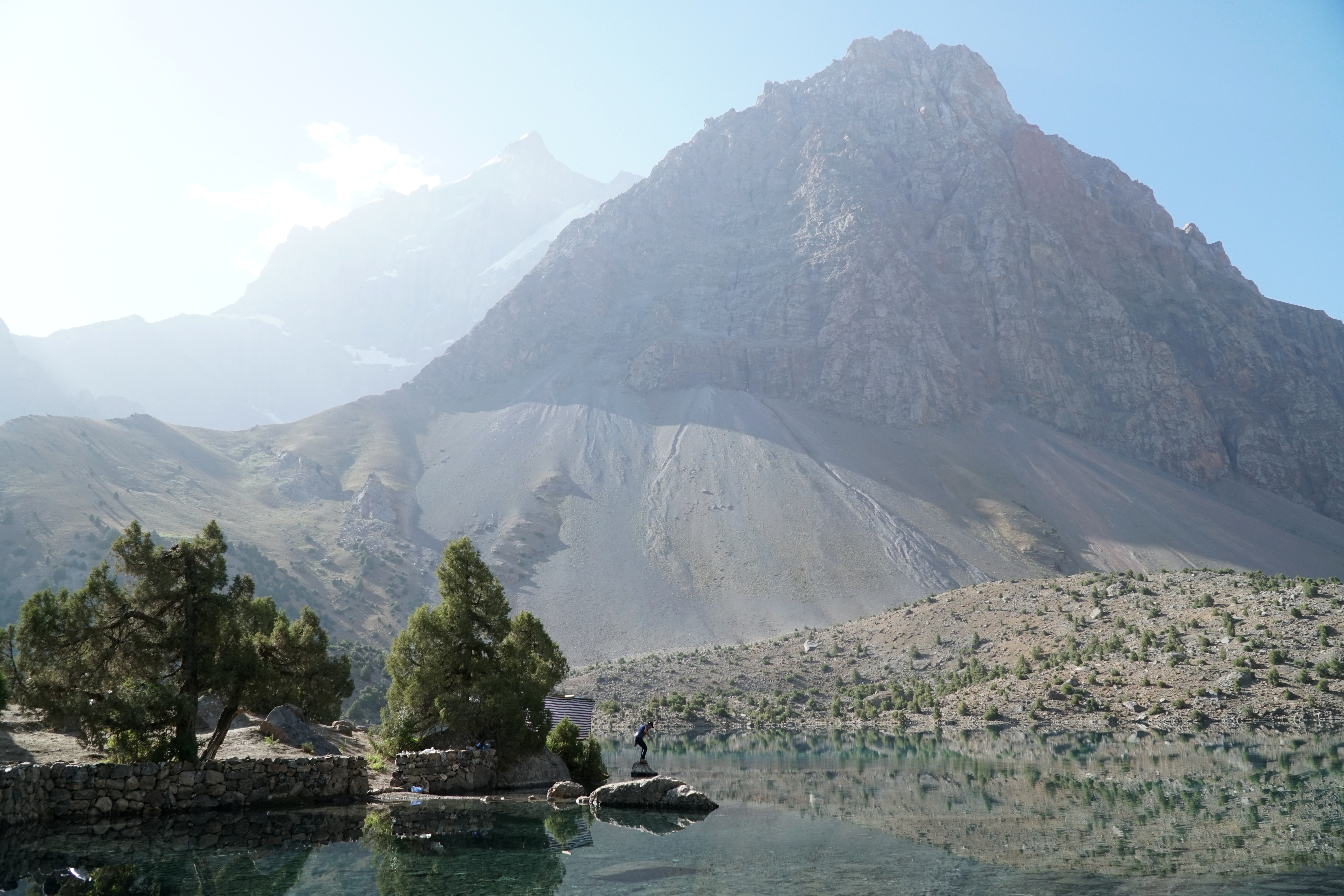
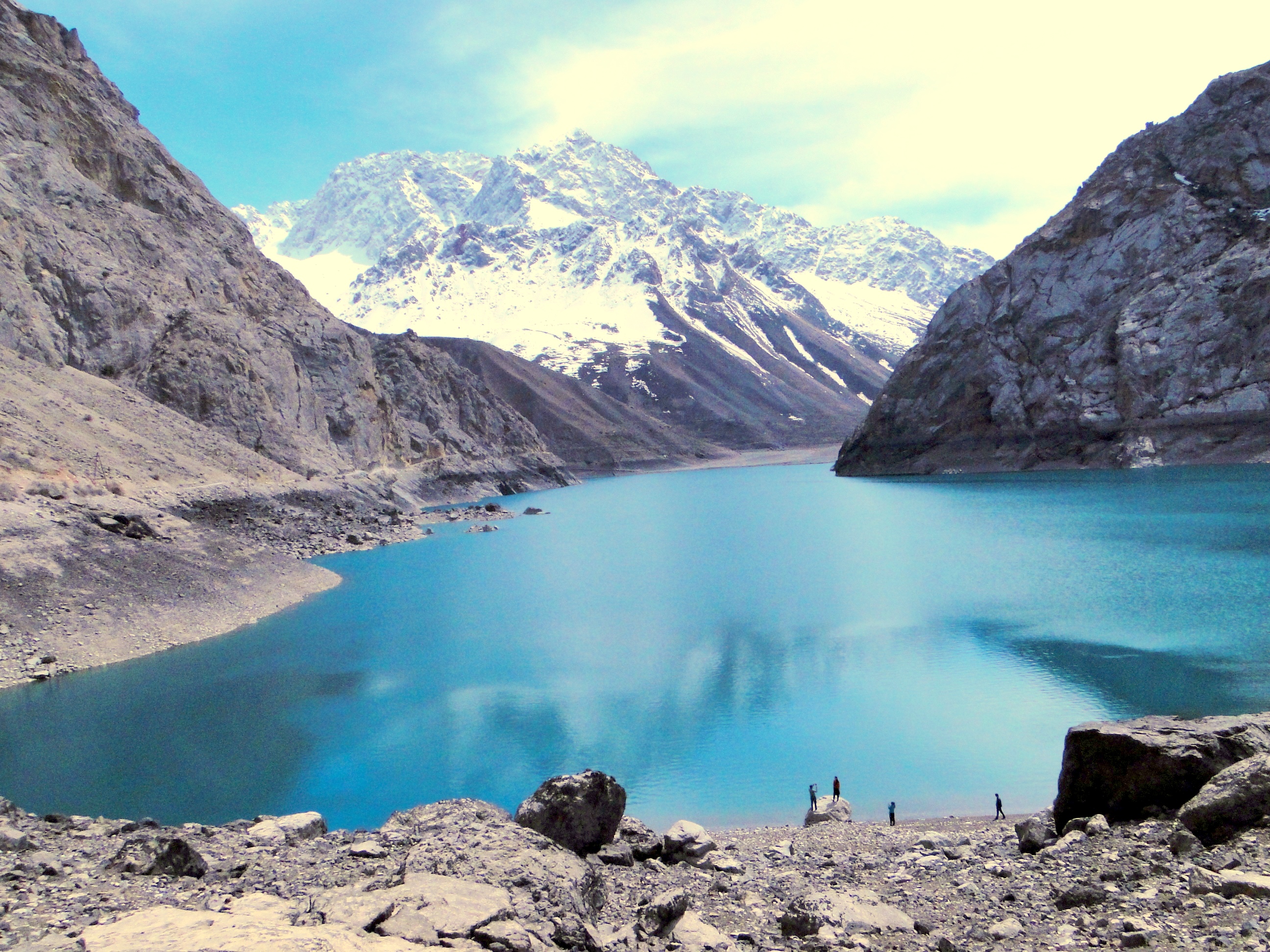
The Pamirs, Tajik National Park, Fann Mountains, alpine lakes, glaciers, deep valleys, and high-altitude wildlife make Tajikistan an exceptional mountain-and-wilderness destination.
Tajikistan is landlocked; its lakes and rivers are scenic mountain settings rather than warm-water beach destinations.
The Pamir Highway and Fann routes offer memorable overland scenery, but rough surfaces, landslides, seasonal closures, limited fuel and breakdown support, permits, and the need for an experienced driver make this an expedition-style road trip.
Dushanbe is a workable starting point with organised tours, but passport rules, Tajik or Russian language needs, mountain permits, altitude, road conditions, and limited remote healthcare require careful preparation.
Dushanbe's cafés and cultural venues, local guesthouses, shared vehicles, and trekking circuits create opportunities to meet people, although remote routes are more guide- and itinerary-led.





.jpg)