













Getting around
Bangkok → Chiang Mai → one coastal region creates a clear first arc instead of squeezing both coasts into a short trip.

Thailand connects Bangkok, the north, and the beaches, but the rainy seasons differ between the Gulf and the Andaman coast. Choosing one region per trip keeps the plan calmer.
Thailand connects Bangkok, the north, and the beaches, but the rainy seasons differ between the Gulf and the Andaman coast. Choosing one region per trip keeps the plan calmer.
General information
Use the reference page for context, then check current plans in the Smart Planner.
Transport, language, entry, and safety are the details that shape how this trip feels day to day.
Bangkok → Chiang Mai → one coastal region creates a clear first arc instead of squeezing both coasts into a short trip.
English is practical in Bangkok, Chiang Mai, islands, hotels, airports, and tours; learn basic Thai for local buses, markets, clinics, and rural stops.
English ease 3/5Thailand's entry rules are in transition. The Thai government says the Cabinet approved withdrawing the current 60-day visa exemption for 93 countries and replacing it with country-specific 30-day visa-free, 15-day visa-free, or Visa on Arrival categories, but the related Ministry of Interior announcements were still pending Royal Gazette publication on July 19, 2026; current entry conditions remain until the changes take effect. All non-Thai visitors entering by air, land, or sea must complete the Thailand Digital Arrival Card online within three days before arrival, subject to official transit or border-pass exceptions. Check the live Thai MFA, Immigration Bureau, or embassy rule for the exact passport, purpose, and arrival date before booking.
The U.S. State Department lists Thailand at Level 1: exercise normal precautions, issued July 7, 2026; Thailand is generally safe for travelers but some areas have increased risk.
Level 1: Exercise normal precautionsThese are the places that most strongly shape a first trip through Thailand.
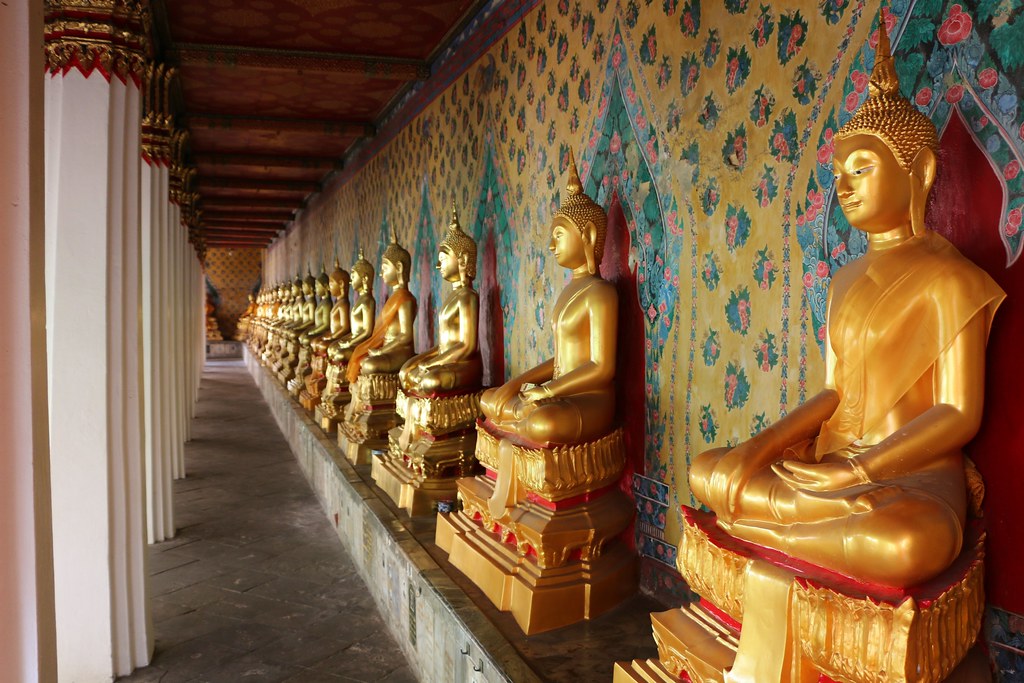
Bangkok is the best first base for temples, street food, markets, malls, river ferries, nightlife, and onward flights or trains; heat, traffic, air quality, and event closures can change day plans.
Tourism Authority of Thailand ↗
Chiang Mai gives Thailand a slower northern leg with old-city temples, markets, cafes, cooking classes, mountain trips, and ethical elephant experiences; check seasonal smoke, burns, heat, and local access conditions before choosing outdoor days.
Tourism Authority of Thailand ↗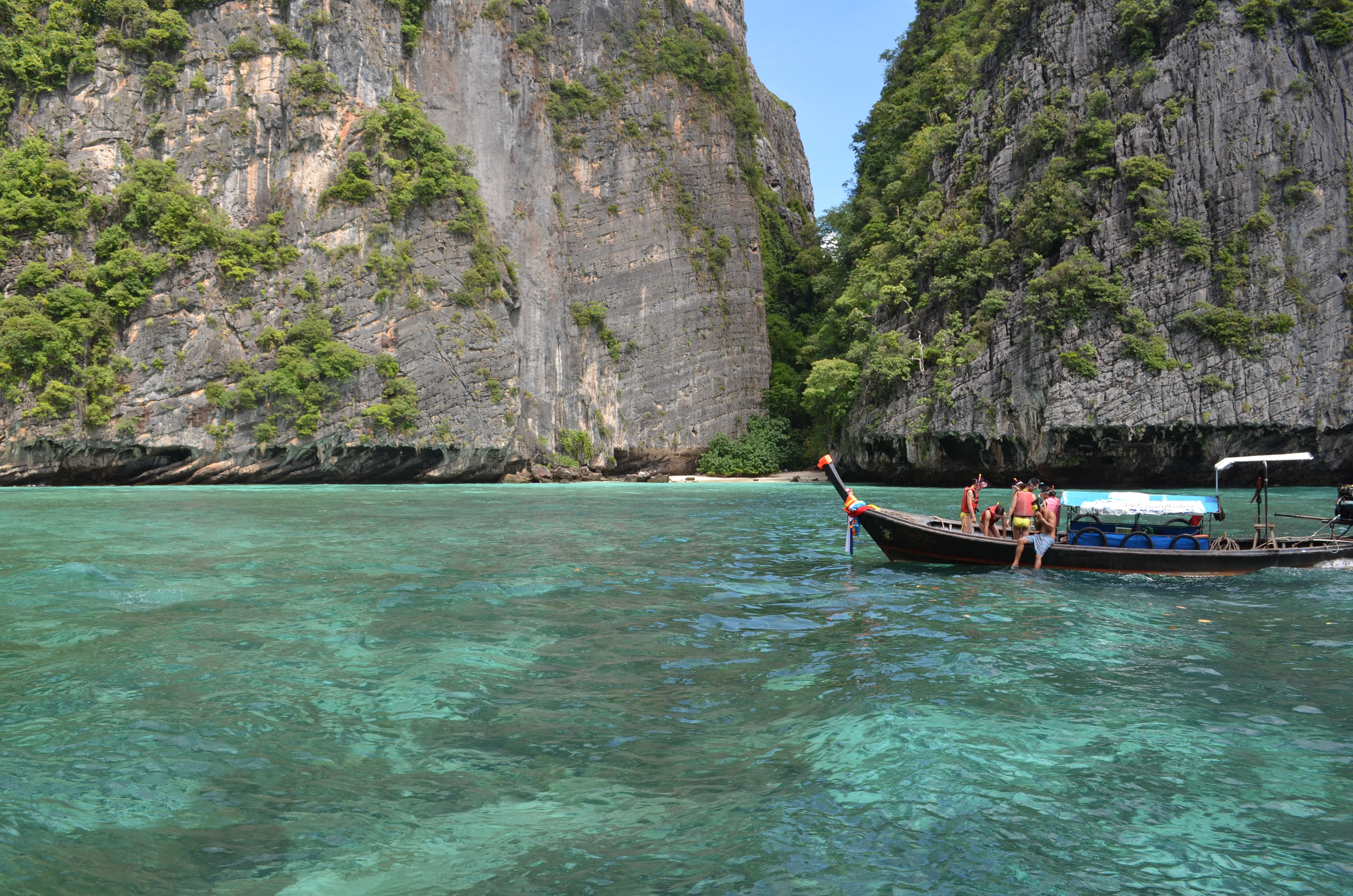
Choose Gulf or Andaman islands by season: Phuket, Krabi, Phi Phi, Lanta, Samui, Phangan, Tao, and quieter beach bases all fit different trips, but ferry operators, sea states, and storm warnings can change connections.
Tourism Authority of Thailand ↗
Cooking classes are an easy, practical food experience in Bangkok, Chiang Mai, Phuket, Krabi, and island bases.
Wikimedia/Flickr source ↗
Night markets are a reliable low-pressure way to sample food, shop, and feel local evening life across Bangkok, Chiang Mai, Phuket, Krabi, and smaller stops.
Wikimedia/Flickr source ↗November to February is often the easiest overall window. March and April are very hot; May to October varies by coast.
Dry, cooler conditions usually work across Bangkok, the north, and the Andaman coast, while the Gulf is also often workable; clear weather brings high demand and prices.
Songkran celebrates the Thai New Year with water festivities, temple visits and family traditions, with major celebrations in Bangkok and Chiang Mai.
Loy Krathong celebrates with candlelit floating offerings on rivers and waterways, with especially memorable festivities in Sukhothai.
Loy Krathong celebrates with candlelit floating offerings on rivers and waterways, with especially memorable festivities in Sukhothai.
Yi Peng brings Lanna lantern traditions and illuminated decorations to Chiang Mai, with some organised lantern-release events requiring tickets.
November to February is often the easiest overall window. March and April are very hot; May to October varies by coast.
See the seasonal pattern month by month.
A wider view of how this destination matches different travel styles.
Thailand is one of the easiest backpacking countries: cheap food, hostels, night trains, buses, ferries, domestic flights, island routes, and a long-established social travel circuit.
Bangkok, Chiang Mai, Phuket, Koh Samui, and other hubs offer strong cafes, coworking, apartments, gyms, and communities. Visa length and local traffic are the main planning constraints.
Street food, guesthouses, local transport, markets, and regional routes can be very affordable. Costs rise in peak-season islands, private tours, beach clubs, and premium Bangkok stays.
Thailand is currently Level 1 overall, but border/province cautions, scams, nightlife issues, road crashes, boats, drugs laws, and medical limits on islands keep it from being a no-thought destination.
Bangkok, Phuket, Pattaya, Chiang Mai, Koh Phangan, Samui, Phi Phi, and beach towns offer everything from night markets and rooftop bars to clubs and full-moon-style parties.
Thailand has strong nature variety through islands, beaches, limestone cliffs, marine parks, waterfalls, jungles, northern mountains, caves, and national parks.
The Andaman and Gulf coasts give Thailand exceptional beach variety, from easy resort islands to dive bases, backpacker beaches, limestone bays, and quieter long-stay islands.
Thailand is better for rail, bus, ferry, and flight routing than self-drive trips. Scooters and cars can be useful locally, but crash risk, traffic, road rules, and rental disputes are real drawbacks.
Tourism infrastructure, English in visitor zones, easy food, many routes, and broad budgets make Thailand beginner-friendly. Scams, roads, boats, heat, and visa changes still require attention.
Hostels, cooking classes, dive courses, island boats, night markets, parties, cafes, coworking, retreats, and backpacker routes make Thailand one of the easiest countries for meeting people.
English is practical in Bangkok, Chiang Mai, islands, hotels, airports, and tours; learn basic Thai for local buses, markets, clinics, and rural stops.
English ease 3/5
Learn Thai for your trip →The U.S. State Department lists Thailand at Level 1: exercise normal precautions, issued July 7, 2026; Thailand is generally safe for travelers but some areas have increased risk.
Read more →Recommended: Routine vaccines up to date; commonly consider hepatitis A, typhoid, and route-specific rabies or Japanese encephalitis advice.
Thailand's entry rules are in transition. The Thai government says the Cabinet approved withdrawing the current 60-day visa exemption for 93 countries and replacing it with country-specific 30-day visa-free, 15-day visa-free, or Visa on Arrival categories, but the related Ministry of Interior announcements were still pending Royal Gazette publication on July 19, 2026; current entry conditions remain until the changes take effect. All non-Thai visitors entering by air, land, or sea must complete the Thailand Digital Arrival Card online within three days before arrival, subject to official transit or border-pass exceptions. Check the live Thai MFA, Immigration Bureau, or embassy rule for the exact passport, purpose, and arrival date before booking.
Read more →German ordinary passport holders are included in the current 93-country 60-day exemption scheme for tourism and short-term business, but the Cabinet-approved replacement is expected to assign a new category after Royal Gazette publication. Confirm the effective date and live stay limit with the Thai embassy; complete TDAC within three days of arrival.
Bring light quick-dry clothing, sun protection, mosquito repellent, and a cover-up for temple visits. Keep domestic-flight luggage light.
What to pack →Transport, language, entry, and safety are the details that shape how this trip feels day to day.
A short list of the most useful official, climate, tourism, and route references behind this guide.
4 source groupsTrip Planner & Map
Transport, language, entry, and safety are the details that shape how this trip feels day to day.


