Bahamas
← Back to destinations

Bahamas

The Bahamas is a high-value island destination for beaches, clear water, resorts, boating, island hopping, diving, fishing, nightlife, and Out Islands nature. Nassau and Paradise Island are the easiest first base, while Exumas, Eleuthera, Harbour Island, Abacos, Bimini, Grand Bahama, and Andros offer very different trip styles.

BeachesIsland hoppingResorts

What this trip is really like

The Bahamas is a high-value island destination for beaches, clear water, resorts, boating, island hopping, diving, fishing, nightlife, and Out Islands nature. Nassau and Paradise Island are the easiest first base, while Exumas, Eleuthera, Harbour Island, Abacos, Bimini, Grand Bahama, and Andros offer very different trip styles.

Capital
Nassau
Population
403,000 residents (UNData 2025 estimate)
Language
English
Timezone
America/Nassau
Ideal trip length
Depends on the route
Emergency
police: 911, fire: 911, medical: 911

A good fit if you…

Nightlife
Nature
Beach
Beginner-friendly
Social

Getting around

Transport, language, entry, and safety are the details that shape how this trip feels day to day.

Getting around

The Bahamas is an island-hopping destination: Nassau is the main hub for domestic flights, ferries, water taxis, taxis, tours, and private boats. Driving is on the left; Nassau traffic is congested, rural roads can be narrow or poor, and rain can flood roads. Jitneys and taxis are available, but agree the taxi fare before leaving and check each island's current air or ferry schedule; official schedules are subject to change and flights, ferries, and marine excursions can be disrupted by storms.

Language

English is the everyday language, so communication is straightforward for most visitors; local Bahamian expressions and accents add flavor but rarely create travel friction.

English ease 4/5

Visa

Entry and visa rules depend on citizenship, country of birth, residency, and arrival method. The Bahamas tourism authority says most non-citizens and non-residents should present a passport valid for at least six months at entry, plus return or onward travel and accommodation details; U.S. guidance says U.S. passports must remain valid through departure. U.S. citizens generally need no tourist visa for up to 90 days, while U.S. permanent residents who are not citizens need a green card and national passport for visits up to 30 days and a Bahamas visa for longer stays. Canadian, Latin American, Indian, cruise, yellow-fever, work, BEATS remote-stay, and the current temporary entry-restriction rules have separate conditions.

Safety & health

The U.S. State Department's July 28, 2026 advisory lists The Bahamas at Level 2: Exercise Increased Caution because of crime.

Level 2: Exercise increased caution

Explore destination

These are the places that most strongly shape a first trip through Bahamas.

Best time, month by month

The Bahamas is warm year-round. December through April is generally the drier, busier high season; May is a useful shoulder month, while June-November is hurricane season and can disrupt flights, ferries, and boat trips.

ExcellentGoodOkayLess ideal

April · Excellent

Shoulder

April remains warm and beach-friendly, while crowds and prices often ease from the winter peak; check marine conditions for smaller-island crossings.

Highlights in April

National Family Island Regatta

The National Family Island Regatta brings traditional Bahamian sailing competitions and island festivities to George Town in the Exumas.

Where
George Town, Exuma
Timing
Dates vary by year or edition

Climate at a glance

See the seasonal pattern month by month.

Temperature

26 °C18 °CJan
27 °C19 °CFeb
28 °C19 °CMar
29 °C22 °CApr
31 °C23 °CMay
32 °C24 °CJun
33 °C25 °CJul
33 °C25 °CAug
32 °C25 °CSep
31 °C24 °COct
29 °C21 °CNov
28 °C20 °CDec

Precipitation

45 mmJan
45 mmFeb
42 mmMar
71 mmApr
150 mmMay
171 mmJun
157 mmJul
179 mmAug
194 mmSep
168 mmOct
57 mmNov
44 mmDec

Climate source →

Full Travel Fit

A wider view of how this destination matches different travel styles.

Backpacking2/5

The Bahamas is easy to enjoy independently in places, but island transfers, lodging, food, tours, and ferries make it weaker for classic low-budget backpacking.

Digital nomad3/5

English, flights, resorts, rentals, and island lifestyle help longer stays, but cost, hurricane season, internet variance, and visa limits need planning.

Budget2/5

The Bahamas is usually mid-range to expensive; budget travelers should lean on simple guesthouses, groceries, local food, ferries, and fewer paid excursions.

Safety2/5

The Bahamas is Level 2 because of crime, with extra care needed in Nassau and Freeport, vacation rentals, nightlife areas, beaches, and watercraft activities.

Nightlife4/5

Nassau, Paradise Island, resorts, casinos, beach bars, fish fry areas, and events make The Bahamas strong for social evenings when normal safety care is used.

Nature4/5

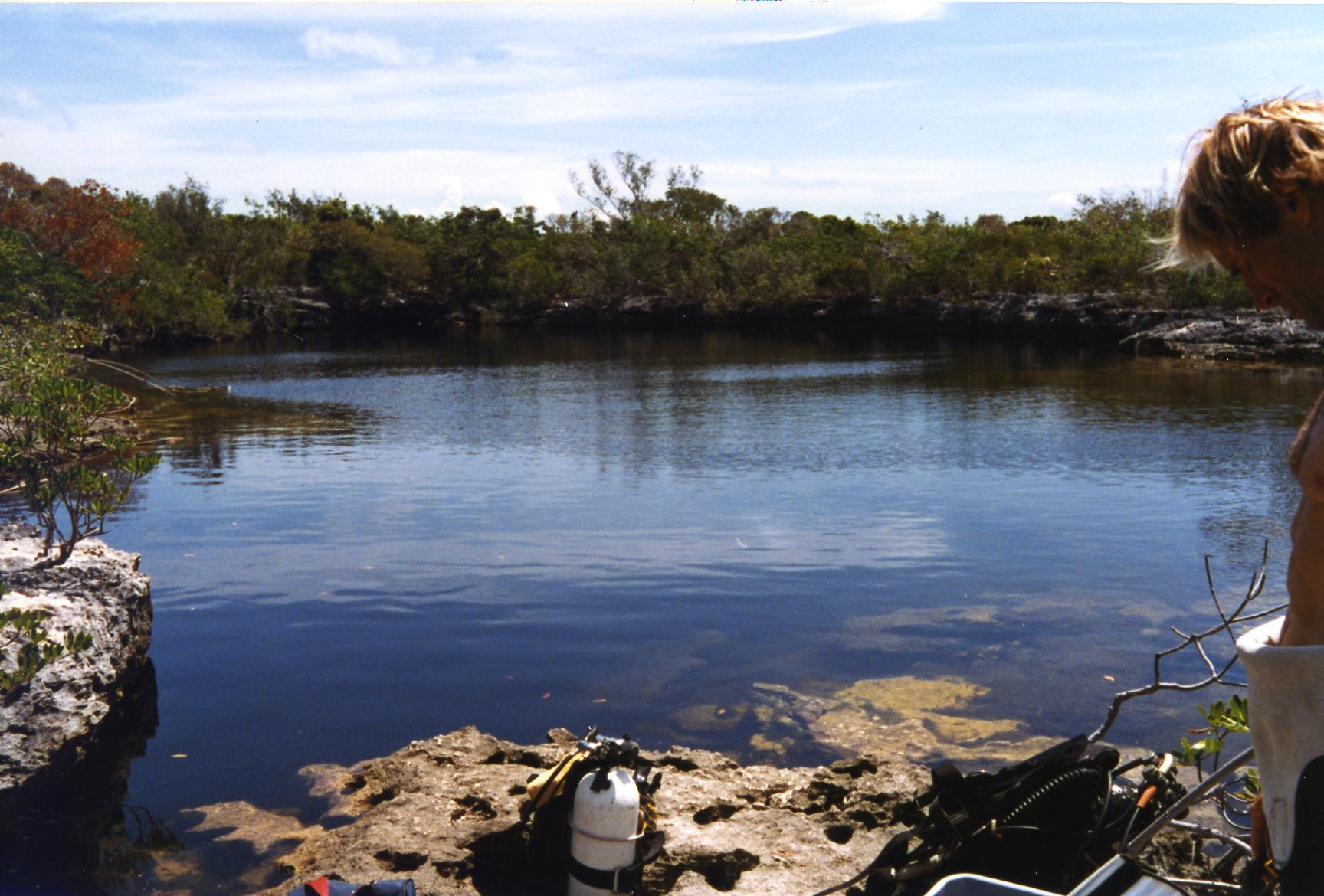
Blue holes, reefs, mangroves, national parks, cays, sandbars, boating, bonefishing, diving, and quieter Out Islands give the country strong nature depth.

Beach5/5

Clear water, pink and white sand beaches, Exuma cays, Harbour Island, Eleuthera, Abacos, Bimini, and island-hopping make The Bahamas a top beach fit.

Road trip2/5

The Bahamas is more about island hopping, boats, ferries, taxis, domestic flights, and short local drives than car-led road trips.

Beginner-friendly4/5

English, direct flights, resorts, cruises, beaches, and familiar visitor infrastructure make it approachable, though Level 2 crime and water-safety risks need real attention.

Social4/5

Resorts, cruises, beach bars, boating, group excursions, fish fry areas, Junkanoo, and Nassau nightlife make The Bahamas very social.


A few words go a long way

English is the everyday language, so communication is straightforward for most visitors; local Bahamian expressions and accents add flavor but rarely create travel friction.

English ease 4/5

Learn English for your trip →

Safety & health

The U.S. State Department's July 28, 2026 advisory lists The Bahamas at Level 2: Exercise Increased Caution because of crime.

Read more →

On the route

  • Violent crime, including armed robbery, burglary, and sexual assault, can occur; keep valuables out of sight and use extra care after dark.
  • Independent jet ski and personal watercraft operators on New Providence and Paradise Island carry enough risk that U.S. government employees are prohibited from using them; verify licensing, insurance, and rescue procedures before booking.
  • Check bags carefully before travel; even small amounts of ammunition can lead to detention, fines, or jail time.

Health

  • Never swim alone, stay realistic about swimming and snorkeling fitness, and monitor marine conditions and shark risk.
  • Medical care is concentrated on New Providence and Grand Bahama; Out Islands have smaller clinics and serious cases may require evacuation to the United States. Carry insurance that covers medical evacuation.
  • Use sun protection and hydration, and monitor hurricane and marine warnings; the June-November season can close airports and seaports before storms.

Check the entry context for your passport

Entry and visa rules depend on citizenship, country of birth, residency, and arrival method. The Bahamas tourism authority says most non-citizens and non-residents should present a passport valid for at least six months at entry, plus return or onward travel and accommodation details; U.S. guidance says U.S. passports must remain valid through departure. U.S. citizens generally need no tourist visa for up to 90 days, while U.S. permanent residents who are not citizens need a green card and national passport for visits up to 30 days and a Bahamas visa for longer stays. Canadian, Latin American, Indian, cruise, yellow-fever, work, BEATS remote-stay, and the current temporary entry-restriction rules have separate conditions.

Read more →

Entry and visa rules depend on citizenship, country of birth, residency, and arrival method. The Bahamas tourism authority says most non-citizens and non-residents should present a passport valid for at least six months at entry, plus return or onward travel and accommodation details; U.S. guidance says U.S. passports must remain valid through departure. U.S. citizens generally need no tourist visa for up to 90 days, while U.S. permanent residents who are not citizens need a green card and national passport for visits up to 30 days and a Bahamas visa for longer stays. Canadian, Latin American, Indian, cruise, yellow-fever, work, BEATS remote-stay, and the current temporary entry-restriction rules have separate conditions.

Keep the details current

A short list of the most useful official, climate, tourism, and route references behind this guide.

5 source groups
View all sources

Open plan: Open the app

Transport, language, entry, and safety are the details that shape how this trip feels day to day.