Togo
← Back to destinations

Togo

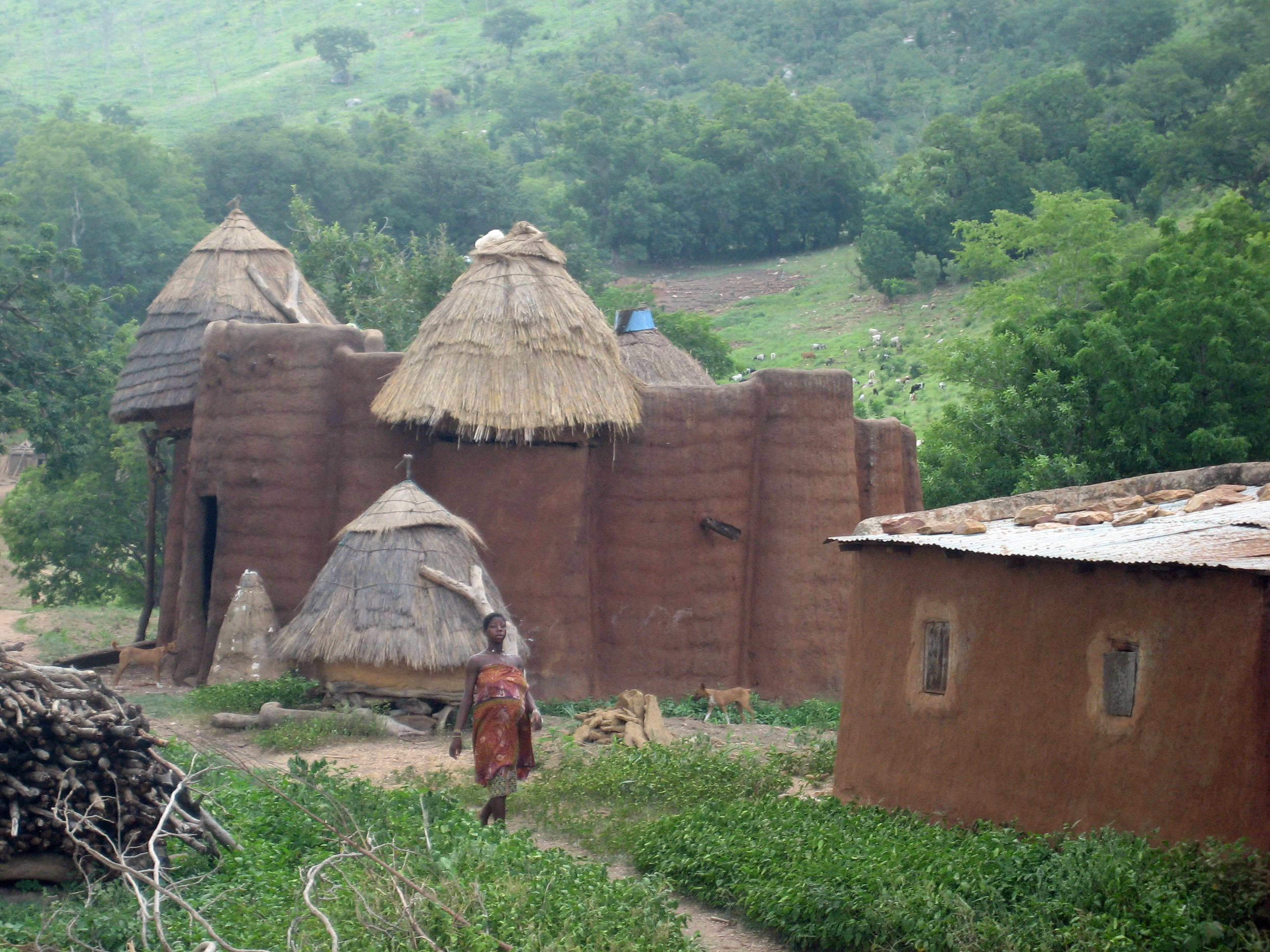
Togo is a narrow West African country between Ghana and Benin, with Burkina Faso to the north and a short Gulf of Guinea coast. Its compact north-south corridor links Lomé's markets and beaches with the Plateaux mountains, waterfalls, Lake Togo, wildlife areas, and the Batammariba tower-houses of Koutammakou.

CultureNatureBeachesFood

What this trip is really like

Togo is a narrow West African country between Ghana and Benin, with Burkina Faso to the north and a short Gulf of Guinea coast. Its compact north-south corridor links Lomé's markets and beaches with the Plateaux mountains, waterfalls, Lake Togo, wildlife areas, and the Batammariba tower-houses of Koutammakou.

Capital
Lomé
Population
8.59 million (UNData 2025 estimate)
Language
French
Currency
West African CFA franc Currency converter ↗
Timezone
Africa/Lome
Ideal trip length
Depends on the route
Emergency
police: 117 (police) / 177 (gendarmerie), medical: 8200, fire: 118

A good fit if you…

Budget
Nature

Getting around

Transport, language, entry, and safety are the details that shape how this trip feels day to day.

Getting around

Most international visitors arrive through Lomé-Tokoin Airport. In Lomé, taxis, shared cars, and motorcycle taxis are common; agree the fare and use a helmet where available. Intercity buses and shared vehicles connect the main corridor, but driving standards are poor, roads outside towns are poorly lit, rainy-season side roads can be blocked, and checkpoints and northern restrictions require current local advice.

Language

French is the working language. English may work in major hotels and some tourism businesses in Lomé, but basic French or a translation tool is useful outside the capital.

English ease 2/5

Visa

Visa treatment is passport- and purpose-dependent. Togo's official Voyage platform provides a visa checker and requires travelers who need a visa to apply online before arrival; visa-on-arrival and express visas are currently suspended, and applications should be submitted at least five days before arrival. The platform says African passport holders can enter visa-free for up to 30 days if they complete the immigration form no later than 24 hours before arrival. Current British guidance says a British visitor needs a single-entry tourist visa valid for 15 days, applied for at least six days in advance, plus online registration before arrival and departure. Passport validity rules can differ by nationality: current U.S. guidance says six months beyond arrival and two blank pages, while FCDO guidance for British passports says three months beyond planned departure. Confirm your exact result, yellow-fever requirement, and any work, study, or longer-stay permit through Togo Voyage before booking.

Safety & health

The current U.S. advisory is Level 2 for crime, terrorism, unrest, kidnapping, and health; it says not to travel to the northern border region near Burkina Faso or areas north of Kande.

Increased caution; northern areas high risk

Explore destination

These are the places that most strongly shape a first trip through Togo.

Best time, month by month

November-April is the easiest broad travel window.

ExcellentGoodOkayLess ideal

August · Excellent

Shoulder

August often brings a shorter drier spell in the south, while the north remains in its rainy season; waterfalls and forests are lush but conditions vary by region.

Climate at a glance

See the seasonal pattern month by month.

Temperature

33 °C24 °CJan
34 °C25 °CFeb
34 °C26 °CMar
34 °C25 °CApr
33 °C25 °CMay
31 °C24 °CJun
30 °C23 °CJul
29 °C23 °CAug
30 °C24 °CSep
32 °C24 °COct
33 °C24 °CNov
33 °C24 °CDec

Precipitation

15 mmJan
36 mmFeb
88 mmMar
91 mmApr
159 mmMay
213 mmJun
86 mmJul
37 mmAug
112 mmSep
131 mmOct
76 mmNov
15 mmDec

Climate source →

Full Travel Fit

A wider view of how this destination matches different travel styles.

Backpacking2/5

Togo's compact south and Lomé make a short independent route possible, but French, cash dependence, motorcycle-taxi and road risks, passport formalities, and restricted northern areas make backpacking less forgiving.

Digital nomad2/5

Lomé has the country's best accommodation, cafes, and mobile data, but power or connectivity interruptions, cash-heavy services, limited options outside the capital, and short visa windows make long stays difficult.

Budget4/5

Local food, shared transport, and simple guesthouses can keep costs low; international flights, private drivers, better hotels, and excursions are the main expenses.

Safety2/5

Togo warrants increased caution: violent crime, terrorism, unrest, kidnapping, strong coastal currents, and limited medical care require route and transport planning, while northern border areas carry much higher risk.

Nightlife3/5

Lomé has bars, live music, restaurants, and late-night social life, but crime around beaches and markets means using trusted transport and avoiding isolated areas after dark.

Nature4/5

Mountains and waterfalls around Kpalimé, Lake Togo, forests, wildlife parks, and the Koutammakou cultural landscape give Togo a strong nature-and-landscape offering despite its small size.

Beach3/5

Lomé and the coast offer broad Atlantic beaches and lagoon scenery, but strong currents, drownings, theft, and advice to avoid isolated beaches at night make beach travel a moderate rather than carefree fit.

Road trip2/5

The north-south corridor is straightforward on a map, but poor driving standards, poorly lit roads, rainy-season blockages, checkpoints, breakdown gaps, and current restrictions in the north make self-driving demanding.

Beginner-friendly2/5

Organised trips around Lomé can work, but passport-specific e-visa steps, French, cash handling, motorcycle taxis, limited healthcare, and current northern security restrictions require more preparation than a beginner destination.

Social3/5

Lomé markets, music, food, festivals, and community-run cultural visits create easy social opportunities, while conservative local norms and unwanted approaches call for clear boundaries and respectful dress.


A few words go a long way

French is the working language. English may work in major hotels and some tourism businesses in Lomé, but basic French or a translation tool is useful outside the capital.

English ease 2/5

Learn French for your trip →
Où est la gare ?Where is the station?

Safety & health

The current U.S. advisory is Level 2 for crime, terrorism, unrest, kidnapping, and health; it says not to travel to the northern border region near Burkina Faso or areas north of Kande.

Read more →

On the route

  • Violent crime, theft, pickpocketing, carjacking, scams, and police or unofficial checkpoints occur; avoid isolated beaches and markets, do not travel alone at night, carry little cash, and keep a copy of your passport and visa accessible.
  • Avoid protests, political rallies, and large crowds. Attacks can target hotels, cafes, markets, public transport, and official sites; do not photograph military, government, or airport buildings.
  • Coastal currents are very strong and drownings occur; follow local advice, avoid unsupervised swimming, and stay away from isolated beaches after dark.

Health

  • Healthcare and emergency care are limited outside Lome; facilities may require payment up front, ambulances are not widely available, and serious cases may need medical evacuation. Carry adequate insurance and funds.
  • A yellow-fever vaccination certificate is required for entry. Pre-travel advice should also cover malaria, dengue, Zika, routine vaccines, and other region-specific risks.
  • Use mosquito protection, drink treated or sealed water, and check medicine and prescription restrictions before travel; local pharmacy supplies and regulation can be unreliable.

Check the entry context for your passport

Visa treatment is passport- and purpose-dependent. Togo's official Voyage platform provides a visa checker and requires travelers who need a visa to apply online before arrival; visa-on-arrival and express visas are currently suspended, and applications should be submitted at least five days before arrival. The platform says African passport holders can enter visa-free for up to 30 days if they complete the immigration form no later than 24 hours before arrival. Current British guidance says a British visitor needs a single-entry tourist visa valid for 15 days, applied for at least six days in advance, plus online registration before arrival and departure. Passport validity rules can differ by nationality: current U.S. guidance says six months beyond arrival and two blank pages, while FCDO guidance for British passports says three months beyond planned departure. Confirm your exact result, yellow-fever requirement, and any work, study, or longer-stay permit through Togo Voyage before booking.

Read more →

Visa treatment is passport- and purpose-dependent. Togo's official Voyage platform provides a visa checker and requires travelers who need a visa to apply online before arrival; visa-on-arrival and express visas are currently suspended, and applications should be submitted at least five days before arrival. The platform says African passport holders can enter visa-free for up to 30 days if they complete the immigration form no later than 24 hours before arrival. Current British guidance says a British visitor needs a single-entry tourist visa valid for 15 days, applied for at least six days in advance, plus online registration before arrival and departure. Passport validity rules can differ by nationality: current U.S. guidance says six months beyond arrival and two blank pages, while FCDO guidance for British passports says three months beyond planned departure. Confirm your exact result, yellow-fever requirement, and any work, study, or longer-stay permit through Togo Voyage before booking.

Keep the details current

A short list of the most useful official, climate, tourism, and route references behind this guide.

6 source groups
View all sources

Open plan: Open the app

Transport, language, entry, and safety are the details that shape how this trip feels day to day.