Tunisia
← Back to destinations

Tunisia

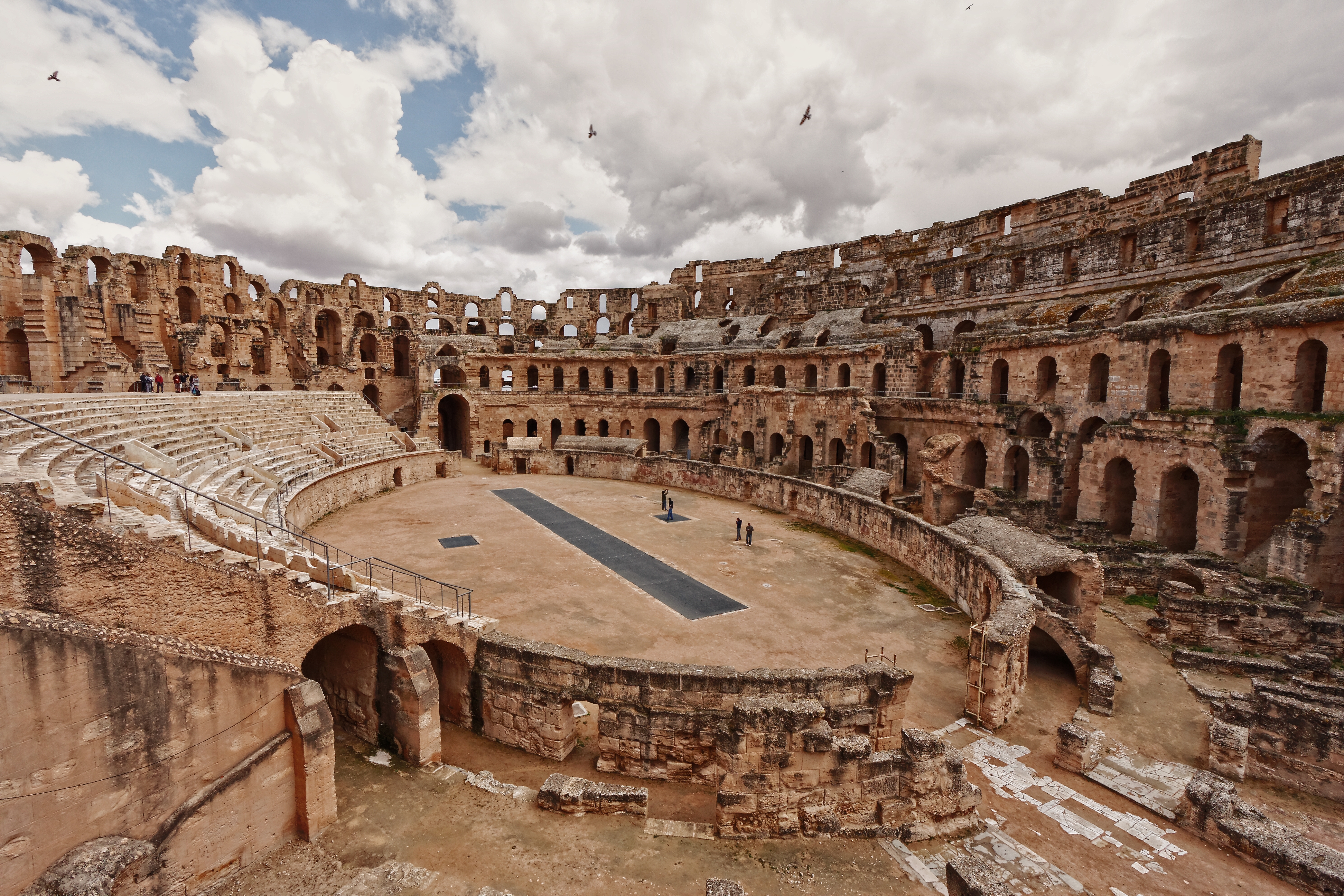
Tunisia is a compact North African trip for Roman ruins, medinas, Mediterranean beaches, desert-edge landscapes, Islamic heritage, resort towns, and strong food value. It is easier and cheaper than many regional trips, but current safety guidance means travelers should stay on established routes, avoid listed border and mountain areas, and plan transport carefully after dark.

Roman ruinsMedinasBeachesSahara

What this trip is really like

Tunisia is a compact North African trip for Roman ruins, medinas, Mediterranean beaches, desert-edge landscapes, Islamic heritage, resort towns, and strong food value. It is easier and cheaper than many regional trips, but current safety guidance means travelers should stay on established routes, avoid listed border and mountain areas, and plan transport carefully after dark.

Capital
Tunis
Population
11.6 million
Language
Arabic
Currency
Tunisian dinar Currency converter ↗
Timezone
UTC+02:00, UTC+01:00, Africa/Tunis
Ideal trip length
Depends on the route
Emergency
police: 197, fire: 198, medical: 190

A good fit if you…

Budget
Beach

Getting around

Transport, language, entry, and safety are the details that shape how this trip feels day to day.

Getting around

Tunisia is relatively compact. Trains, louages, buses, taxis, private drivers, resort transfers, and domestic flights can work, but road safety and transport security vary; avoid unregulated taxis, agree fares or use meters, and avoid night driving outside major routes.

Language

English is workable in major hubs, hotels, and tourist services, but Arabic basics help outside the main visitor route.

English ease 3/5

Visa

Tunisia visa rules depend on nationality. U.S. tourists do not need a visa for stays of 90 days or less, but travelers should confirm passport validity, blank-page, currency, accommodation, and child-travel requirements before departure.

Safety & health

The U.S. State Department lists Tunisia at Level 2 due to terrorism, crime, and unrest, with some areas at Level 4: Do Not Travel.

Exercise increased caution

Explore destination

These are the places that most strongly shape a first trip through Tunisia.

Best time, month by month

April-May and September-October are the easiest all-round windows for Tunisia, with good conditions for Tunis, Carthage, Sidi Bou Said, El Jem, Kairouan, Djerba, beach resorts, and Sahara-edge routes.

ExcellentGoodOkayLess ideal

October · Excellent

Shoulder

October remains one of the easiest all-round months, with comfortable sightseeing weather, lighter beach crowds, and better conditions for Douz, Matmata, and Kairouan.

Climate at a glance

See the seasonal pattern month by month.

Temperature

17 °C8 °CJan
17 °C8 °CFeb
20 °C10 °CMar
23 °C12 °CApr
26 °C15 °CMay
31 °C19 °CJun
35 °C23 °CJul
34 °C23 °CAug
31 °C21 °CSep
27 °C18 °COct
22 °C13 °CNov
18 °C9 °CDec

Precipitation

59 mmJan
62 mmFeb
51 mmMar
29 mmApr
24 mmMay
7 mmJun
5 mmJul
9 mmAug
38 mmSep
70 mmOct
60 mmNov
53 mmDec

Climate source →

Full Travel Fit

A wider view of how this destination matches different travel styles.

Backpacking3/5

Tunisia can work for budget travelers using trains, louages, guesthouses, medinas, and beach towns, but safety zones, limited late-night transport, and uneven hostel infrastructure require planning.

Digital nomad2/5

Tunis, Sousse, Hammamet, and Djerba can support short remote-work stays, but coworking depth, connectivity consistency, and long-stay visa clarity are weaker than established nomad hubs.

Budget4/5

Local food, public transport, museums, medinas, and guesthouses can be good value, though resort areas, private drivers, desert tours, and peak beach season raise costs.

Safety2/5

Tunisia is Level 2 overall with Level 4 no-travel areas near borders, certain mountains, and the desert south of Remada; crime, terrorism, unrest, and night-driving risk need active planning.

Nightlife2/5

Nightlife exists in Tunis, resort zones, Hammamet, Sousse, and Djerba, but it is not the core draw and transport plus local norms make late nights less simple.

Nature3/5

Tunisia has beaches, desert edges, oases, salt flats, Djerba, Ichkeul, and mountain scenery, but its nature appeal is more compact and seasonal than major safari or hiking countries.

Beach4/5

Hammamet, Sousse, Monastir, Mahdia, Djerba, and the Mediterranean coast offer easy beach holidays, family resorts, kitesurfing, and warm summer water.

Road trip3/5

The country is compact and rewarding for culture-and-coast loops, but road behavior, police checks, night driving, desert routes, and no-travel areas make private drivers or guided trips safer for many visitors.

Beginner-friendly3/5

Short resort or Tunis-based trips are manageable, French and Arabic are more useful than English outside tourism, and travelers still need safety-zone, transport, and local-law awareness.

Social3/5

Resorts, group tours, medina walks, desert trips, language exchange, cafes, and beach towns create moderate social opportunities, though the backpacker scene is thinner than in major trail destinations.


A few words go a long way

English is workable in major hubs, hotels, and tourist services, but Arabic basics help outside the main visitor route.

English ease 3/5

Learn Arabic for your trip →
أين المحطة؟Where is the station?'ayn almahatatu?

Safety & health

The U.S. State Department lists Tunisia at Level 2 due to terrorism, crime, and unrest, with some areas at Level 4: Do Not Travel.

Read more →

Check the entry context for your passport

Tunisia visa rules depend on nationality. U.S. tourists do not need a visa for stays of 90 days or less, but travelers should confirm passport validity, blank-page, currency, accommodation, and child-travel requirements before departure.

Read more →

Tunisia visa rules depend on nationality. U.S. tourists do not need a visa for stays of 90 days or less, but travelers should confirm passport validity, blank-page, currency, accommodation, and child-travel requirements before departure.

Keep the details current

A short list of the most useful official, climate, tourism, and route references behind this guide.

4 source groups

Open plan: Open the app

Transport, language, entry, and safety are the details that shape how this trip feels day to day.