Tuvalu is safe but hard for casual backpacking because flights are sparse, accommodation is limited, and outer-island transport is slow.
Connectivity, power, transport reliability, workspace options, and limited services make Tuvalu a weak remote-work base.
Daily life can be simple, but scarce flights, limited accommodation, imported goods, and contingency days keep costs from feeling truly cheap.
Official guidance is Level 1, with the main cautions around medical limits, water quality, transport disruption, heat, flooding, and storms.
Evenings are quiet and community-centered, with very limited nightlife or traveler scene.
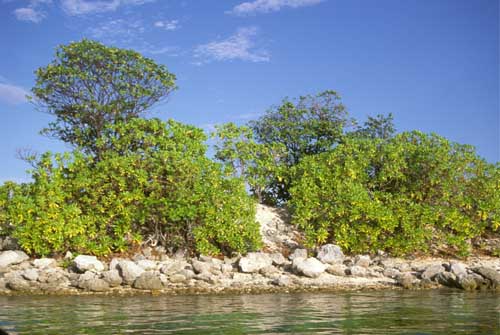
Atolls, lagoons, reefs, seabirds, beaches, and ocean horizons are distinctive, though fragile and logistically limited.
Tuvalu has remote atoll beaches and lagoon scenery, but it is not a resort-beach destination and services are sparse.
This is not a road-trip country; movement is short-distance on Funafuti plus occasional boat or flight access to outer islands.
English and low crime help, but sparse transport, limited medical care, water issues, and few tourism services make it challenging.
Guesthouses, churches, markets, and local community life offer interaction, but there is little organized traveler circuit.




.jpg)