Uganda
← Back to destinations

Uganda

Uganda has exceptional gorilla, chimpanzee, safari, Nile, and mountain experiences, but long transfers, permits, remote logistics, regional weather, and the current Level 4 advisory make professional planning and careful risk review essential.

GorillasSafariNileAdventure

What this trip is really like

Uganda has exceptional gorilla, chimpanzee, safari, Nile, and mountain experiences, but long transfers, permits, remote logistics, regional weather, and the current Level 4 advisory make professional planning and careful risk review essential.

Capital
Kampala
Population
50.3 million residents (Uganda Bureau of Statistics, 2026 end-year projection)
Language
English, Swahili
Timezone
Africa/Kampala
Ideal trip length
Depends on the route
Emergency
police: 999, fire: 112, medical: 911

A good fit if you…

Nature

Getting around

Transport, language, entry, and safety are the details that shape how this trip feels day to day.

Getting around

Most park itineraries use licensed tour operators, private 4x4 drivers, long road transfers, buses, domestic flights, boats, and boda-bodas in cities. Road crashes, night driving, limited first responders, remote parks, and current security or health restrictions make independent movement a poor fit.

Language

English is easy for most travel basics; local accents or creoles may still take adjustment.

English ease 4/5

Visa

Uganda's entry rules depend on passport and purpose. Visa-prone visitors should apply online before travel through the official e-Immigration portal; Uganda says there are ordinary single-entry, multiple-entry (6, 12, or 24 months), transit, and East African Tourist Visa categories and that travelers should not rely on visa on arrival. The approval letter is the travel authorization and should be printed with a passport valid for at least 6 months. Applications can require a passport bio page, recent photograph, yellow-fever certificate, itinerary, return ticket, accommodation or other supporting documents, and further information. Ordinary tourist entry is generally up to 3 months; work, study, volunteering, or longer stays need the correct permit.

Safety & health

The U.S. State Department lists Uganda at Level 4: Do Not Travel, issued June 4, 2026, due to crime, health, terrorism, and unrest.

Do not travel

Explore destination

These are the places that most strongly shape a first trip through Uganda.

Best time, month by month

Uganda's main rainy periods are generally March-May and September-November, with drier travel windows often falling around December-February and June-August.

ExcellentGoodOkayLess ideal

July · Excellent

Shoulder

July is often favorable for safari and forest trekking, especially in southern and western Uganda, though rainfall varies by region and Rwenzori routes stay wetter. Peak-season planning is wise.

Climate at a glance

See the seasonal pattern month by month.

Temperature

28 °C17 °CJan
28 °C18 °CFeb
27 °C18 °CMar
27 °C18 °CApr
26 °C17 °CMay
26 °C17 °CJun
26 °C16 °CJul
26 °C16 °CAug
27 °C17 °CSep
27 °C17 °COct
27 °C17 °CNov
27 °C17 °CDec

Precipitation

73 mmJan
80 mmFeb
159 mmMar
195 mmApr
152 mmMay
117 mmJun
65 mmJul
76 mmAug
127 mmSep
158 mmOct
179 mmNov
128 mmDec

Climate source →

Full Travel Fit

A wider view of how this destination matches different travel styles.

Backpacking2/5

Uganda has overland and budget travel infrastructure, but current Level 4 guidance, health risk, crime, road safety, and permit costs make casual backpacking inappropriate.

Digital nomad1/5

Kampala can support short work stops, but current safety guidance, health risk, infrastructure, and visa realities make Uganda a poor nomad base.

Budget2/5

Local costs can be moderate, but gorilla permits, safaris, drivers, lodges, domestic flights, insurance, and disruption risk raise the cost of meaningful travel.

Safety1/5

Current U.S. guidance is Level 4 due to crime, health, terrorism, and unrest, so Uganda should be treated as a do-not-travel destination for advisory-sensitive users.

Nightlife2/5

Kampala and Jinja have nightlife, but current safety guidance makes late movement and nightlife a poor reason to prioritize travel.

Nature5/5

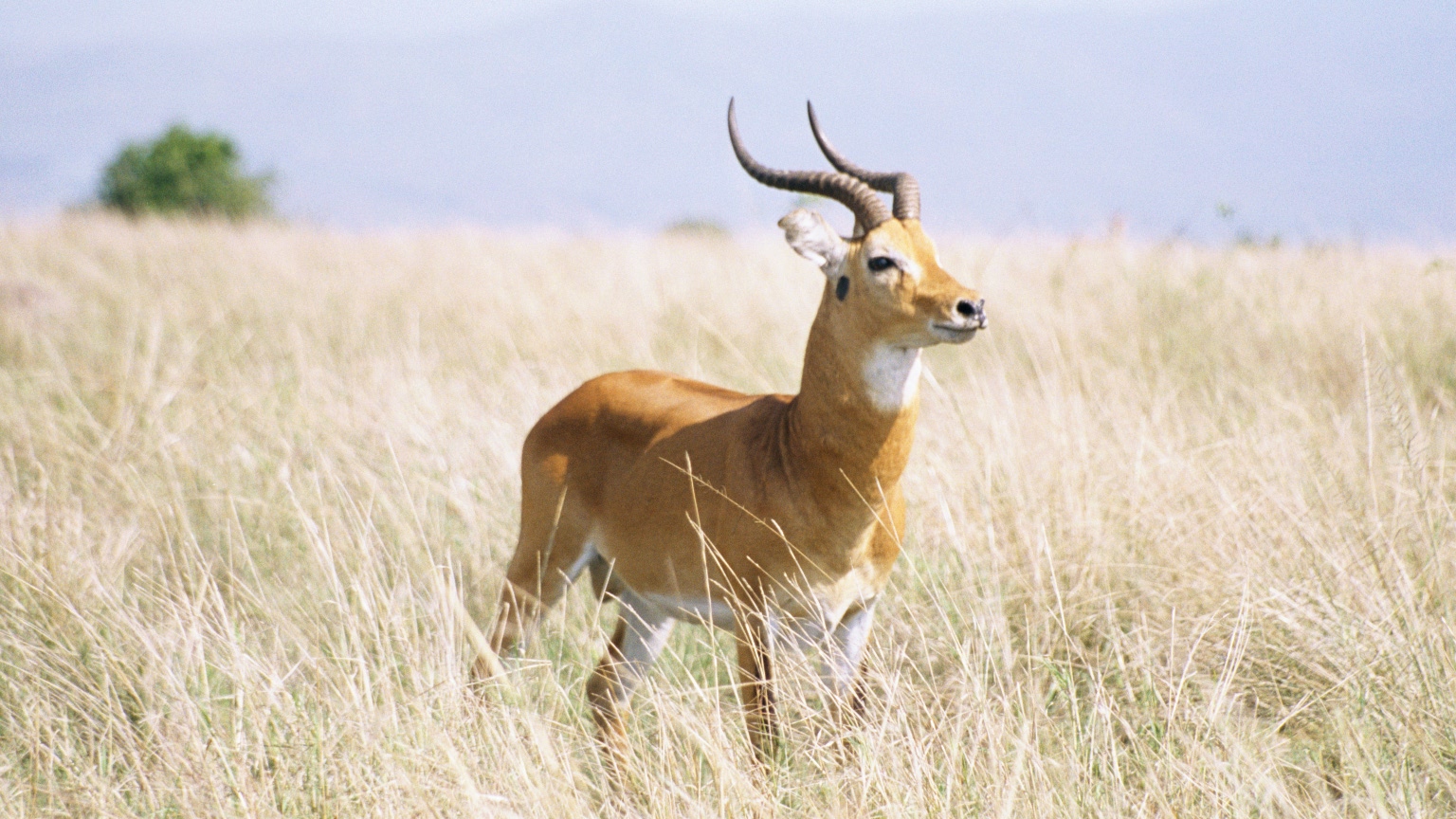
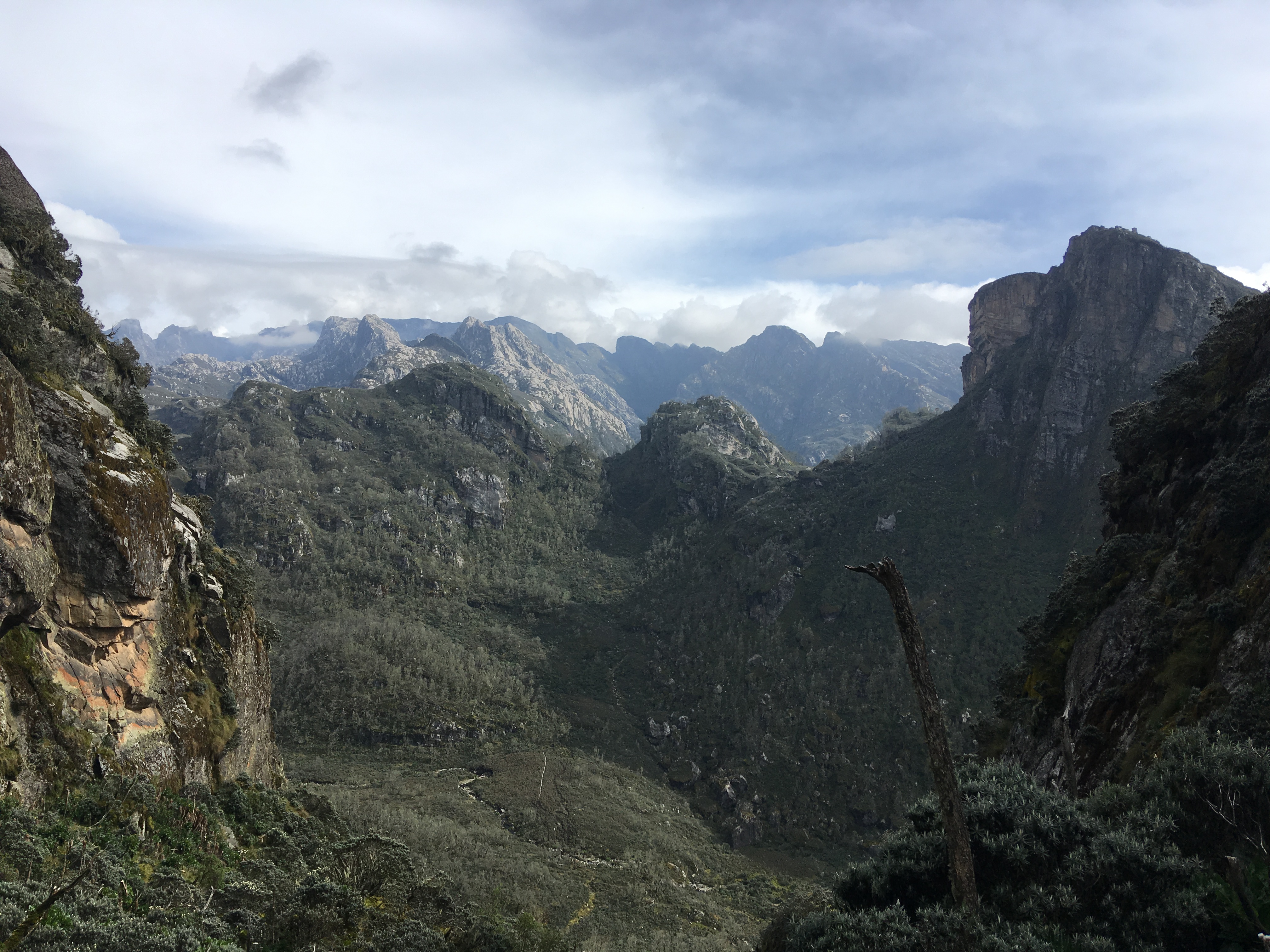
Bwindi, Murchison Falls, Queen Elizabeth, Kibale, Rwenzori, Kidepo, the Nile, chimpanzees, gorillas, and savanna wildlife make nature exceptional.

Beach1/5

Uganda is landlocked; Lake Victoria and Nile shores offer water views but not a beach-country experience.

Road trip3/5

Uganda has memorable safari and western circuit drives, but road crashes, night travel, security, health, and park logistics make this guide-or-driver territory.

Beginner-friendly1/5

Despite English use and tourism operators, current Level 4 safety guidance, health risks, road safety, and logistics make Uganda unsuitable as a beginner-simple destination.

Social3/5

Overland routes, lodges, Kampala, Jinja adventure activities, and group treks create social opportunities, but current advisory conditions dominate planning.


A few words go a long way

English is easy for most travel basics; local accents or creoles may still take adjustment.

English ease 4/5

Learn English for your trip →

Safety & health

The U.S. State Department lists Uganda at Level 4: Do Not Travel, issued June 4, 2026, due to crime, health, terrorism, and unrest.

Read more →

On the route

  • Violent crime includes armed robbery, home invasion, sexual assault, carjacking, and theft; risks are reported in cities, Karamoja, and along western and northern borders.
  • Terrorist targets can include transport hubs, public events, hotels, markets, places of worship, and tourist areas including national parks. Protests can turn violent with little warning.
  • The 2023 Anti-Homosexuality Act creates severe legal and personal risk for LGBTQ+ people and those perceived to support them. Avoid photographing military, political, or security sites; drones require approval and can lead to detention.

Health

  • The U.S. advisory reports an Ebola outbreak affecting Uganda and the DRC, temporary closure of Uganda-DRC crossings except for authorized operations, and 21-day self-quarantine for people entering from the DRC; restrictions can change quickly.
  • Ambulance coverage and emergency response are limited, and appropriate care outside major cities is scarce. Remote parks and mountain routes need evacuation planning, insurance, and a current clinician or CDC health review.
  • Heavy rain can cause flooding and landslides, especially around Kampala, lowlands, and eastern or western mountain areas; park and road access can change during storms.

Check the entry context for your passport

Uganda's entry rules depend on passport and purpose. Visa-prone visitors should apply online before travel through the official e-Immigration portal; Uganda says there are ordinary single-entry, multiple-entry (6, 12, or 24 months), transit, and East African Tourist Visa categories and that travelers should not rely on visa on arrival. The approval letter is the travel authorization and should be printed with a passport valid for at least 6 months. Applications can require a passport bio page, recent photograph, yellow-fever certificate, itinerary, return ticket, accommodation or other supporting documents, and further information. Ordinary tourist entry is generally up to 3 months; work, study, volunteering, or longer stays need the correct permit.

Read more →

Uganda's entry rules depend on passport and purpose. Visa-prone visitors should apply online before travel through the official e-Immigration portal; Uganda says there are ordinary single-entry, multiple-entry (6, 12, or 24 months), transit, and East African Tourist Visa categories and that travelers should not rely on visa on arrival. The approval letter is the travel authorization and should be printed with a passport valid for at least 6 months. Applications can require a passport bio page, recent photograph, yellow-fever certificate, itinerary, return ticket, accommodation or other supporting documents, and further information. Ordinary tourist entry is generally up to 3 months; work, study, volunteering, or longer stays need the correct permit.

Keep the details current

A short list of the most useful official, climate, tourism, and route references behind this guide.

5 source groups

Open plan: Open the app

Transport, language, entry, and safety are the details that shape how this trip feels day to day.