United States
← Back to destinations

United States

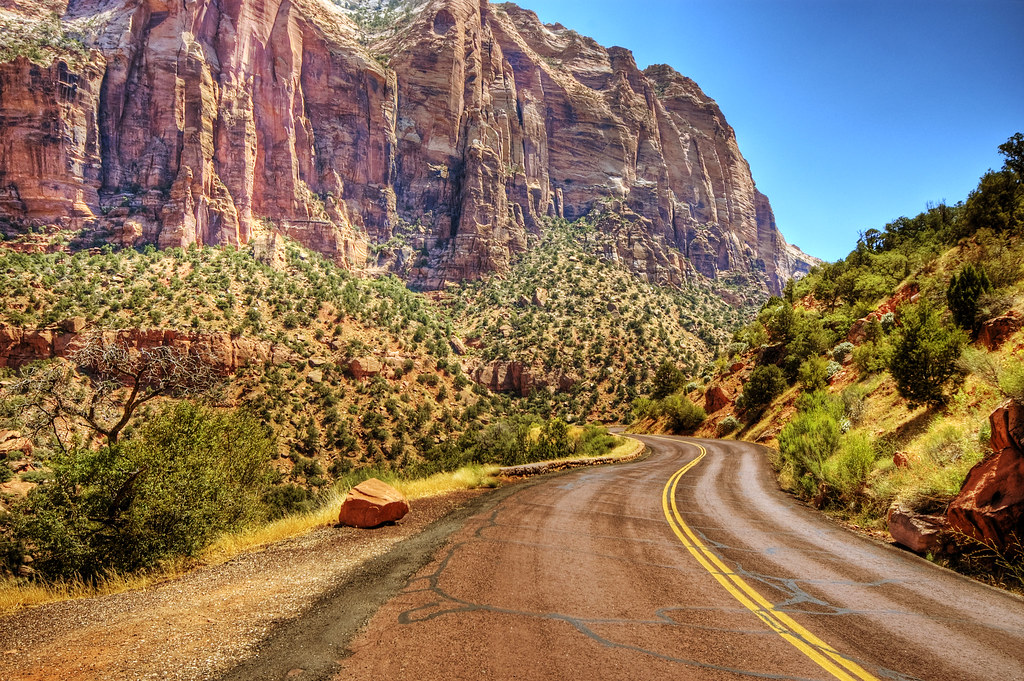
The United States is a continent-scale travel country for national parks, road trips, New York, California, the Southwest, Florida, Hawaii, Alaska, music cities, food regions, beaches, sports, museums, and varied landscapes.

Road tripsNational parksCitiesFood

What this trip is really like

The United States is a continent-scale travel country for national parks, road trips, New York, California, the Southwest, Florida, Hawaii, Alaska, music cities, food regions, beaches, sports, museums, and varied landscapes.

Capital
Washington, D.C.
Population
341.8 million residents (July 2025 Census Bureau estimate)
Language
English
Timezone
America/New_York, America/Chicago, America/Denver, America/Los_Angeles, America/Anchorage, America/Phoenix, Pacific/Honolulu
Ideal trip length
Depends on the route
Emergency
911

eSIM for United States of America

Use the reference page for context, then check current plans in the Smart Planner.

Compare eSIM plans

A good fit if you…

Digital nomad
Nightlife
Nature
Beach
Road trip
Beginner-friendly
Social

Getting around

Transport, language, entry, and safety are the details that shape how this trip feels day to day.

Getting around

Domestic flights connect the long distances, while rental cars are central for many national parks, suburbs, beaches, and small towns. Public transport is strongest in major cities and selected corridors; trains and buses are route-specific. Check park passes, timed entry, reservations, road conditions, fuel, and weather before long drives.

Language

English is the default, but distances and logistics are the bigger friction point.

English ease 4/5

Visa

U.S. entry rules depend on passport, purpose, and travel history. Citizens or nationals of Visa Waiver Program countries can usually visit for tourism or permitted business for up to 90 days, but every traveler needs an approved ESTA before boarding by air, sea, or land and an e-passport. Other travelers need the appropriate visitor visa or status. Prior presence in or travel to countries including Cuba, Iran, Iraq, North Korea, Libya, Somalia, Sudan, Syria, or Yemen can affect ESTA eligibility; an ESTA or visa does not guarantee admission, and VWP stays cannot be extended or changed in the United States.

Safety & health

Current FCDO guidance says terrorism attacks can be indiscriminate in crowded places, crime and gun crime rarely affect tourists but require care in unfamiliar areas, and protests can become violent. Risk varies sharply by city, neighborhood, weather, driving distance, outdoor activity, and medical-cost exposure; plan region by region rather than treating the country as one destination.

Route-specific precautions

Explore destination

These are the places that most strongly shape a first trip through United States.

Best time, month by month

There is no single best season for the United States.

ExcellentGoodOkayLess ideal

May · Excellent

High

Late spring is one of the broadest windows for cities, California, the South, Southwest parks, and many road trips before peak summer heat and crowds.

Climate at a glance

See the seasonal pattern month by month.

Temperature

6 °C-3 °CJan
9 °C-2 °CFeb
13 °C2 °CMar
20 °C7 °CApr
25 °C14 °CMay
29 °C18 °CJun
32 °C21 °CJul
30 °C20 °CAug
27 °C17 °CSep
21 °C10 °COct
14 °C3 °CNov
10 °C0 °CDec

Precipitation

67 mmJan
77 mmFeb
83 mmMar
83 mmApr
112 mmMay
113 mmJun
120 mmJul
108 mmAug
102 mmSep
107 mmOct
72 mmNov
93 mmDec

Climate source →

Full Travel Fit

A wider view of how this destination matches different travel styles.

Backpacking2/5

Hostels and buses exist in some corridors, but high costs, car dependence, long distances, and limited intercity transit make classic backpacking harder than in Europe or Latin America.

Digital nomad4/5

Major cities and many smaller lifestyle towns work well for remote stays, but visa status, health insurance, housing costs, and car needs are the constraints.

Budget1/5

Accommodation, car rental, domestic flights, restaurants, tipping, park lodging, insurance, and medical exposure make the U.S. expensive for visitors.

Safety3/5

The U.S. is manageable for travelers, but current guidance calls for city-by-city, weather, driving, outdoor, protest, state-law, and medical-cost planning rather than one national safety assumption.

Nightlife5/5

New York, Los Angeles, Chicago, Miami, New Orleans, Nashville, Austin, Las Vegas, San Francisco, Seattle, and college towns offer major nightlife and music scenes.

Nature5/5

National parks, forests, deserts, mountains, beaches, canyons, lakes, Alaska, Hawaii, wildlife, and long-distance trails make nature a core strength.

Beach4/5

California, Florida, Hawaii, the Carolinas, Gulf Coast, New England, Pacific Northwest, and island territories offer varied beach trips, though seasons differ.

Road trip5/5

The U.S. is one of the world's great road-trip countries, but routes need realistic mileage, lodging, park reservations, tolls, weather, and insurance planning.

Beginner-friendly4/5

English, card payments, flights, services, signage, and strong tourism infrastructure help, but entry rules, high costs, tipping, driving, and health care surprise visitors.

Social4/5

Cities, concerts, sports, festivals, hostels, food tours, national-park tours, universities, beaches, and nightlife create strong social options.


A few words go a long way

English is the default, but distances and logistics are the bigger friction point.

English ease 4/5

Learn English for your trip →

Safety & health

Current FCDO guidance says terrorism attacks can be indiscriminate in crowded places, crime and gun crime rarely affect tourists but require care in unfamiliar areas, and protests can become violent. Risk varies sharply by city, neighborhood, weather, driving distance, outdoor activity, and medical-cost exposure; plan region by region rather than treating the country as one destination.

Read more →

On the route

  • Crime risk is neighborhood-specific; research lodging areas, transit after dark, and local advice in each city, and move away from protests if they become unsafe.
  • Car break-ins and theft from parked vehicles affect some cities, parks, beaches, and trailheads; do not leave passports or bags visible in rental cars.
  • Driving rules and international-permit requirements vary by state, while rental companies can impose stricter age and licence rules. Check weather, road closures, fuel, and services before long or remote drives.

Health

  • Medical care can be excellent but extremely expensive; visitors should have travel insurance that covers planned activities, emergency treatment, and evacuation.
  • Outdoor risks vary by region: heat, wildfire smoke, hurricanes, winter storms, ticks, altitude, desert dehydration, surf, rip currents, wildlife, and limited rescue access.
  • Call 911 for life-threatening emergencies. Distances are large, and remote parks can be far from fuel, cell service, pharmacies, and emergency care.

Vaccinations

Recommended: Routine vaccines up to date, including measles/MMR for international travel.

Check the entry context for your passport

U.S. entry rules depend on passport, purpose, and travel history. Citizens or nationals of Visa Waiver Program countries can usually visit for tourism or permitted business for up to 90 days, but every traveler needs an approved ESTA before boarding by air, sea, or land and an e-passport. Other travelers need the appropriate visitor visa or status. Prior presence in or travel to countries including Cuba, Iran, Iraq, North Korea, Libya, Somalia, Sudan, Syria, or Yemen can affect ESTA eligibility; an ESTA or visa does not guarantee admission, and VWP stays cannot be extended or changed in the United States.

Read more →

German citizens may qualify for the Visa Waiver Program with an approved ESTA, an e-passport, and an eligible tourism or business stay of 90 days or less.

Keep the details current

A short list of the most useful official, climate, tourism, and route references behind this guide.

8 source groups
View all sources

Open plan: Open the app

Transport, language, entry, and safety are the details that shape how this trip feels day to day.