U.S. Virgin Islands
← Back to destinations

U.S. Virgin Islands

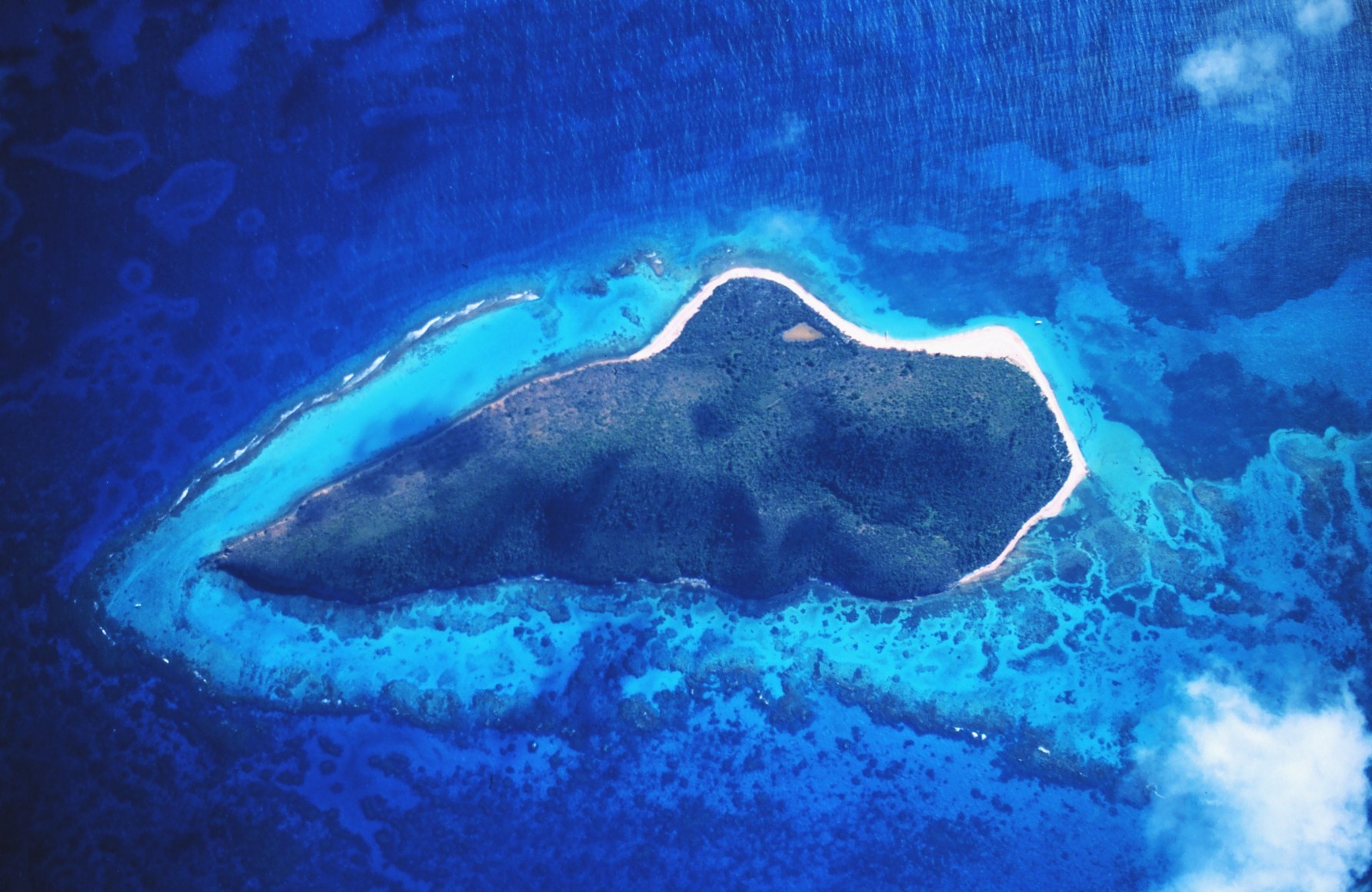
The U. S. Virgin Islands are a U. S. territory centered on St. Thomas, St. John, and St. Croix, with Water Island and smaller cays nearby. Charlotte Amalie is the capital; St. John contains Virgin Islands National Park, while St. Croix combines historic towns, plantations, and Buck Island Reef.

BeachesNational parksSailingIsland history

What this trip is really like

The U. S. Virgin Islands are a U. S. territory centered on St. Thomas, St. John, and St. Croix, with Water Island and smaller cays nearby. Charlotte Amalie is the capital; St. John contains Virgin Islands National Park, while St. Croix combines historic towns, plantations, and Buck Island Reef.

Capital
Charlotte Amalie
Population
87,146 residents (2020 U.S. Census of Island Areas)
Language
English
Timezone
America/St_Thomas
Ideal trip length
Depends on the route
Emergency
police: 911, fire: 911, medical: 911

A good fit if you…

Nature
Beach
Beginner-friendly
Social

Getting around

Transport, language, entry, and safety are the details that shape how this trip feels day to day.

Getting around

St. Thomas and St. Croix have the main airports; ferries and water taxis connect St. Thomas with St. John and nearby islands, and rental cars, taxis, and limited buses serve the main islands. Traffic drives on the left, roads are hilly, and ferry, flight, and park schedules should be checked before crossing between islands.

Language

English is the working language for government, tourism, transport, and services; local Caribbean speech patterns may sound different in informal settings.

English ease 4/5

Visa

The U.S. Virgin Islands are a U.S. territory. U.S. citizens do not need a passport for travel between the United States and the USVI, but should carry accepted proof of citizenship and government-issued identification. Non-U.S. citizens follow U.S. entry rules for travel from a foreign destination, including the appropriate passport and, depending on nationality and purpose, a U.S. visa or ESTA. Check U.S. government guidance and your carrier before arriving from the British Virgin Islands or another foreign port, because inspection and document requirements can differ from domestic mainland travel.

Safety & health

Use increased caution in some urban and late-night areas. The Virgin Islands Police Department continues to publish reports of burglaries and violent incidents on St. Thomas; keep valuables secure, stay aware of your surroundings, and use well-lit routes or licensed taxis after dark.

Use increased caution in some areas

Explore destination

These are the places that most strongly shape a first trip through U.S. Virgin Islands.

Best time, month by month

The USVI is a year-round destination, with the generally drier and busier travel window running from December through April.

ExcellentGoodOkayLess ideal

April · Excellent

Shoulder

April remains warm and generally favorable for water activities and walking, with somewhat less winter pressure than January through March.

Highlights in April

St Thomas Carnival

St Thomas Carnival brings colourful costumes, calypso, soca, parades and cultural celebrations to Charlotte Amalie in the US Virgin Islands.

Where
Charlotte Amalie, St Thomas
Timing
Dates vary by year or edition

Climate at a glance

See the seasonal pattern month by month.

Temperature

29 °C22 °CJan
29 °C22 °CFeb
29 °C22 °CMar
30 °C23 °CApr
30 °C24 °CMay
31 °C25 °CJun
32 °C25 °CJul
32 °C25 °CAug
32 °C25 °CSep
31 °C24 °COct
31 °C23 °CNov
29 °C23 °CDec

Precipitation

55 mmJan
45 mmFeb
50 mmMar
83 mmApr
134 mmMay
91 mmJun
107 mmJul
134 mmAug
131 mmSep
126 mmOct
163 mmNov
96 mmDec

Climate source →

Full Travel Fit

A wider view of how this destination matches different travel styles.

Backpacking3/5

Independent travel is workable with ferries, taxis, rental cars, and guesthouses, although transfers between St. Thomas, St. John, and St. Croix add time and cost.

Digital nomad2/5

Charlotte Amalie and Christiansted offer the strongest services and connectivity, but accommodation is costly and a visitor stay does not create permission to work in the United States.

Budget2/5

The U.S. dollar and domestic-style travel are convenient, but lodging, rental cars, taxis, ferries, and imported goods make the USVI a difficult shoestring destination.

Safety2/5

The islands are established tourist destinations, but current police notices and park guidance support extra caution around property crime, some late-night areas, roads, and water conditions.

Nightlife3/5

Charlotte Amalie, Red Hook, Cruz Bay, Christiansted, and Frederiksted offer bars, restaurants, music, and sunset venues, though closing times and transport are island- and season-dependent.

Nature5/5

Virgin Islands National Park, the Coral Reef National Monument, Buck Island Reef, beaches, dry forest, trails, reefs, and marine wildlife make nature a central reason to visit.

Beach5/5

Trunk Bay, Maho Bay, Cinnamon Bay, Buck Island, and the many St. Thomas and St. Croix coves offer exceptional swimming, snorkeling, and sailing options.

Road trip3/5

Rental cars are useful on St. Thomas, St. John, and St. Croix, but driving is on the left, roads are hilly and winding, and ferry or flight connections are essential for a multi-island route.

Beginner-friendly4/5

English, the U.S. dollar, domestic travel options for U.S. citizens, clear 911 access, and established tourism services are reassuring; left-side driving, inter-island planning, and passport rules for foreign nationals still need attention.

Social4/5

Ferries, sailing trips, beach bars, festivals, cruise-port activity, and small visitor communities create many social openings across St. Thomas, St. John, and St. Croix.


A few words go a long way

English is the working language for government, tourism, transport, and services; local Caribbean speech patterns may sound different in informal settings.

English ease 4/5

Learn English for your trip →

Safety & health

Use increased caution in some urban and late-night areas. The Virgin Islands Police Department continues to publish reports of burglaries and violent incidents on St. Thomas; keep valuables secure, stay aware of your surroundings, and use well-lit routes or licensed taxis after dark.

Read more →

On the route

  • Keep phones, jewelry, and other valuables discreet, do not leave bags in parked vehicles, and avoid isolated roads, beaches, and waterfront areas late at night.
  • Traffic drives on the left even though the territory uses U.S. currency and many U.S.-style vehicles; roads can be steep, narrow, and poorly lit. Use a sober driver or licensed taxi after drinking.
  • In park and reef areas, follow red-flag and surf warnings, stay on marked trails, do not touch marine life or historic ruins, and use only reef-safe mineral sunscreen where required.

Health

  • Heat, sun exposure, mosquitoes, and water-related injuries are practical concerns. Carry water, use insect repellent and sun protection, and seek current Virgin Islands Department of Health guidance.
  • Public and private water supplies include cistern systems that can be affected by drought, flooding, or hurricanes; follow local advisories about drinking and cooking water after severe weather.
  • Call 911 for a medical emergency. Travel insurance with medical evacuation cover is sensible for remote beaches, boat excursions, and inter-island itineraries.

Check the entry context for your passport

The U.S. Virgin Islands are a U.S. territory. U.S. citizens do not need a passport for travel between the United States and the USVI, but should carry accepted proof of citizenship and government-issued identification. Non-U.S. citizens follow U.S. entry rules for travel from a foreign destination, including the appropriate passport and, depending on nationality and purpose, a U.S. visa or ESTA. Check U.S. government guidance and your carrier before arriving from the British Virgin Islands or another foreign port, because inspection and document requirements can differ from domestic mainland travel.

Read more →

The U.S. Virgin Islands are a U.S. territory. U.S. citizens do not need a passport for travel between the United States and the USVI, but should carry accepted proof of citizenship and government-issued identification. Non-U.S. citizens follow U.S. entry rules for travel from a foreign destination, including the appropriate passport and, depending on nationality and purpose, a U.S. visa or ESTA. Check U.S. government guidance and your carrier before arriving from the British Virgin Islands or another foreign port, because inspection and document requirements can differ from domestic mainland travel.

Keep the details current

A short list of the most useful official, climate, tourism, and route references behind this guide.

6 source groups
View all sources

Open plan: Open the app

Transport, language, entry, and safety are the details that shape how this trip feels day to day.